
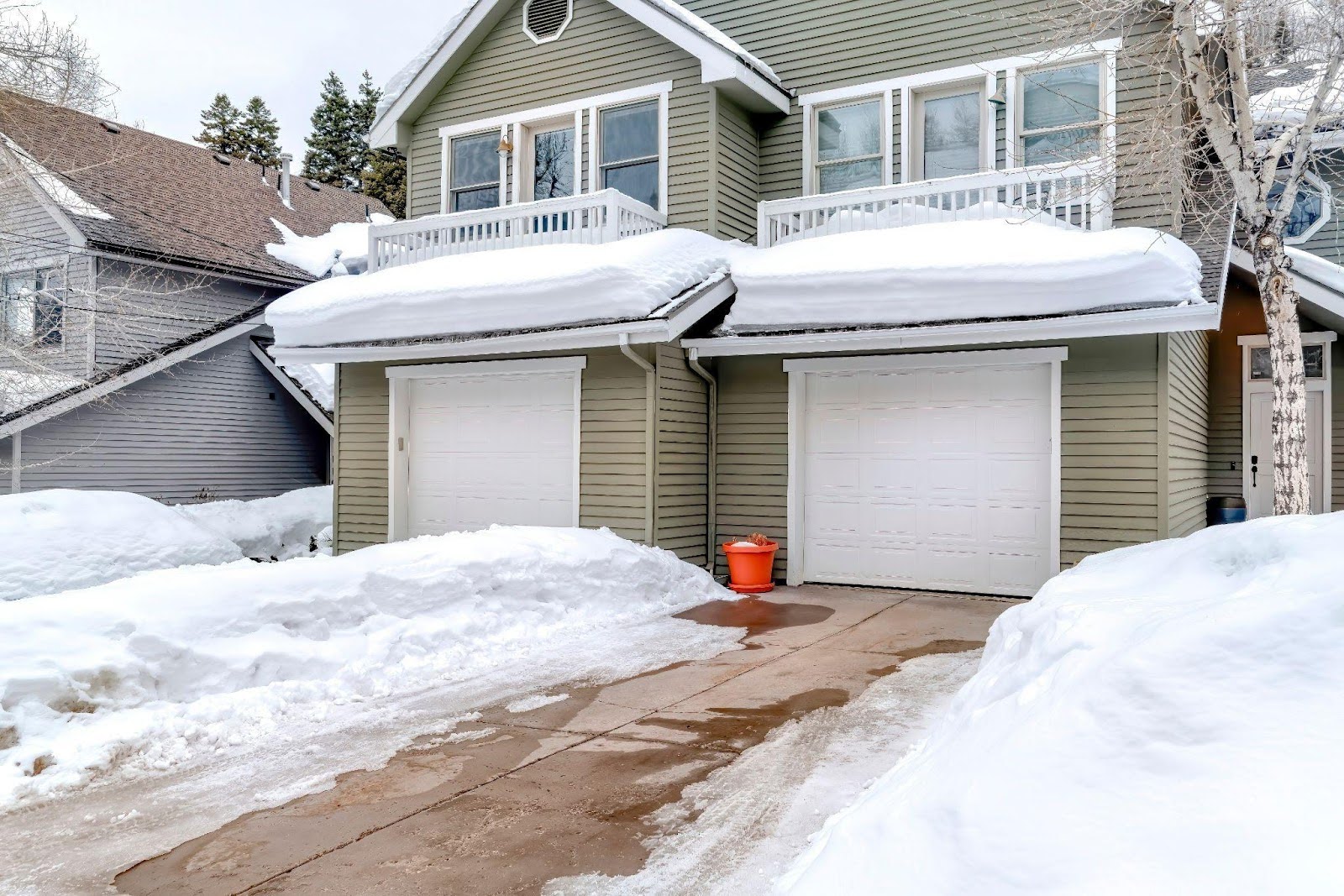
A well-designed driveway snowmelt system provides a safer and cleaner winter experience, eliminating the need for shoveling, salting, or worrying about icy surfaces.
Once snow starts falling, your system activates automatically and melts it before it has a chance to build up. But like any home investment, regular care keeps it running efficiently and extends its lifespan.
Whether you’ve recently completed a snowmelt system installation or you’ve enjoyed radiant heating for years, simple maintenance steps help protect your system and keep your driveway clear and reliable all season long. Use these expert tips to make sure your system performs at its best through every storm.
Know how your snowmelt system works
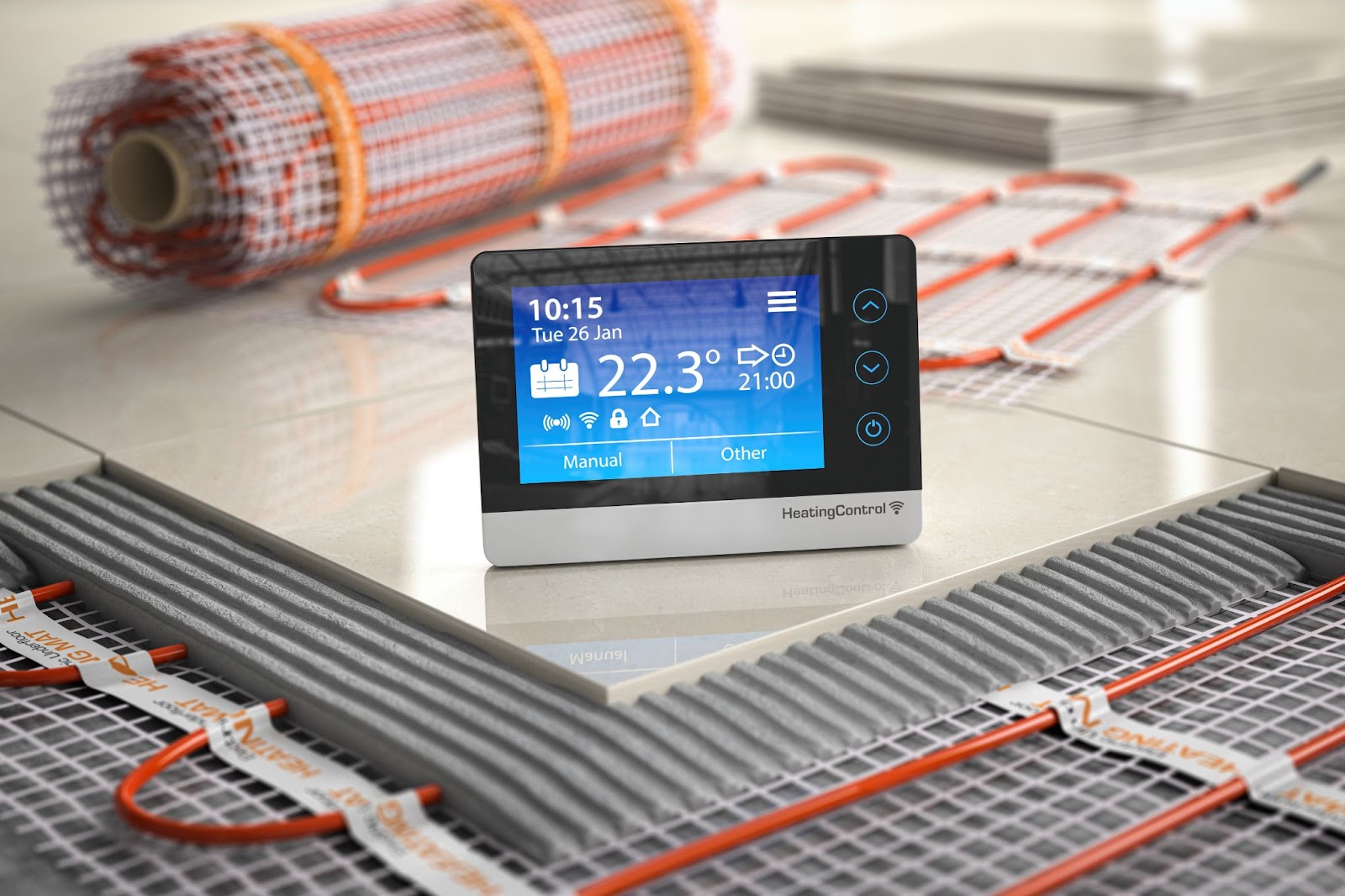
A driveway snowmelt system typically uses either electric heating cables or hydronic tubing that circulates warm fluid beneath the surface to melt snow. Both styles rely on sensors that detect freezing temperatures and moisture. When the sensors activate, your radiant heating system generates the required heat to melt snow as it lands.
Understanding this basic operation helps you notice early signs of trouble. If your system doesn’t turn on during a storm, heats unevenly, or seems slower than usual, these clues may indicate a need for maintenance before a problem becomes more serious.
Schedule an annual inspection
Like a furnace or water heater, your radiant heating system benefits from yearly professional checkups. An inspection ensures every part of the system — from sensors to heating elements — is functioning properly.
During the visit, a technician will:
- Test and calibrate outdoor sensors.
- Check electrical or boiler connections.
- Ensure proper fluid levels in hydronic systems.
- Inspect for leaks, wiring issues, or corroded components.
- Confirm your system activates and shuts off correctly.
An annual inspection is one of the most important steps you can take to protect your snowmelt system installation in the long term. Think of it as preventative care that saves you money and avoids winter surprises.
Clear debris around sensor areas
Your sensors are the brains of your driveway snowmelt system. They tell the system when to turn on and off, which keeps your energy use low and your driveway snow-free. Dirt, leaves, or snow covering the sensors interferes with their ability to accurately read conditions.
To keep sensors working correctly, brush away leaves in the fall, clear snow or ice directly covering them, keep nearby shrubs trimmed, and ensure water drainage pathways stay open.
Small tasks like these help your system activate exactly when it needs to — and not a minute later.
Check your system before winter hits
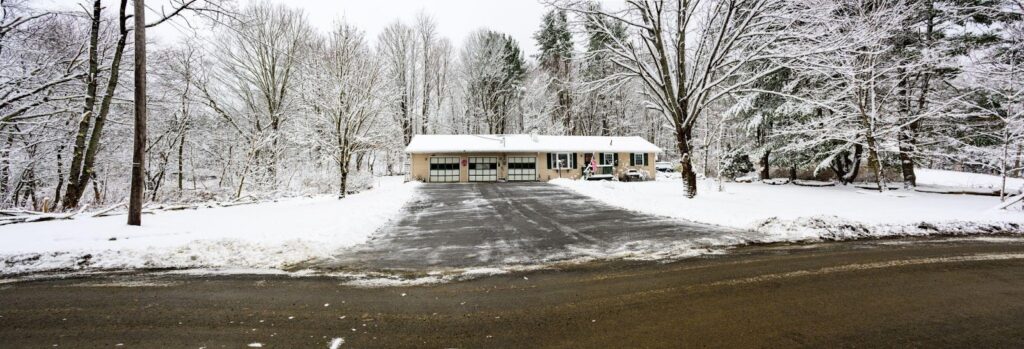
Don’t wait for the first snowfall to discover a problem. Late fall is the perfect time to test the system and ensure everything activates properly. For hydronic systems, run a brief warm-up cycle to confirm fluid is circulating. For electric systems, check for even heat distribution across the surface.
A quick pre-season test helps catch issues early, giving you time to call a technician before the heavy storms arrive.
Monitor your boiler or heat source
If you use a hydronic snowmelt system installation, the boiler or heat source is a major part of how well your system works. It needs regular servicing to ensure it produces the right temperature and maintains proper flow.
During professional maintenance, a technician will inspect the heat exchanger, check pumps and valves, verify pressure levels, and flush or refill the system fluid when needed. When your boiler operates efficiently, your radiant heating system delivers reliable and consistent performance.
Watch for uneven melting
If one section of your driveway melts snow faster than another, it may signal a problem beneath the surface. Uneven melting could indicate a malfunctioning sensor, damaged tubing or heating cables, air pockets in the hydronic lines, insufficient fluid levels, or wiring concerns in the electric system.
Don’t ignore uneven patterns. They typically point to an issue that requires prompt attention to prevent more significant, costly repairs.
Protect your driveway surface
The surface above your driveway snowmelt system also needs protection. Avoid using sharp tools, such as metal shovels, that scrape or damage the driveway. Even though you won’t need to shovel often, surprises like fallen branches or ice chunks may tempt you to grab a metal tool.
If you need to chip ice, use plastic tools only. Likewise, avoid parking heavy machinery or sharp-edged equipment over areas containing heat tubing or cables.
Keep drainage routes clear
Your snowmelt system installation melts snow by turning it into water, but that runoff needs a clear path to drain away. If your driveway has poor drainage or blocked drains, melted snow will pool and freeze again later.
To prevent this, make sure downspouts direct water away from the driveway, driveway edging allows water to flow freely, and low spots don’t collect puddles. It also helps to keep gutters cleared each fall, so water moves away from your home as intended. Good drainage keeps your driveway dry and helps your radiant heating system work more efficiently.
Maintain proper fluid levels in hydronic systems
Hydronic systems rely on a mixture of water and antifreeze to circulate heat, but those fluid levels can drop over time due to evaporation or small leaks. When levels get too low, the system becomes less efficient and may develop cold spots.
A yearly inspection prevents these issues by confirming the antifreeze concentration is correct, the fluid levels are adequate, and no air remains trapped in the lines. When the circulation stays healthy, your snowmelt system performs at its best all winter long.
Don’t ignore warning signs
If you notice any of the following, call a professional right away:
- The system activates inconsistently.
- Sensors fail to detect snow.
- Driveway melts unevenly.
- Strange noises come from the boiler.
- There’s a sudden spike in energy use.
- Fluid leaks around hydronic lines.
Catching these issues early protects your investment and keeps winter stress-free.
Trust Salisbury Plumbing for expert maintenance
Your driveway snowmelt system is a major upgrade to your home’s safety and convenience, and it deserves expert care that keeps it running at peak performance.
Whether you need a routine inspection, repairs, or help optimizing your snowmelt system installation, Salisbury Plumbing is here to help. Our team understands exactly how radiant heating systems operate and what it takes to maintain them through Utah’s harsh winters.
If you want dependable performance, long-lasting efficiency, and a driveway that stays clear without effort, call Salisbury Plumbing today. We’ll make sure your radiant system stays in top shape — no matter how much snow falls this season.