A water heater clicking noise comes from normal heating cycles, thermal expansion, sediment shifting in the tank, or electrical and gas components cycling on and off. Occasional clicking is often harmless, but frequent, loud, or new sounds may signal the need for water heater repair. If the unit is aging or failing, water heater replacement may be the better long-term fix.
When clicking turns into a warning sign
A click once in a while is easy to ignore. But when that water heater clicking noise shows up every time someone showers, or it keeps getting louder, it’s usually your system trying to tell you something. The cause could be simple, like metal expanding as it heats, or more serious, like sediment buildup or a component that’s wearing out.
In this guide, we’ll break down the top reasons clicking happens, what you can safely check at home, and when to schedule water heater repair. We’ll also explain when water heater replacement makes more sense than chasing repeat issues.
What a clicking noise usually means
Not all “clicks” are created equal. Some homeowners describe clicking when they really mean popping, rumbling, or a sharp tick that happens right as the unit turns on.
In general, a water heater clicking noise falls into one of two buckets:
- Normal operating sounds: Relays switching, ignition cycles, and light ticking from parts heating and cooling.
- Warning sounds: Clicking that’s constant, getting louder, paired with temperature swings, reduced hot water, or any sign of leaking.
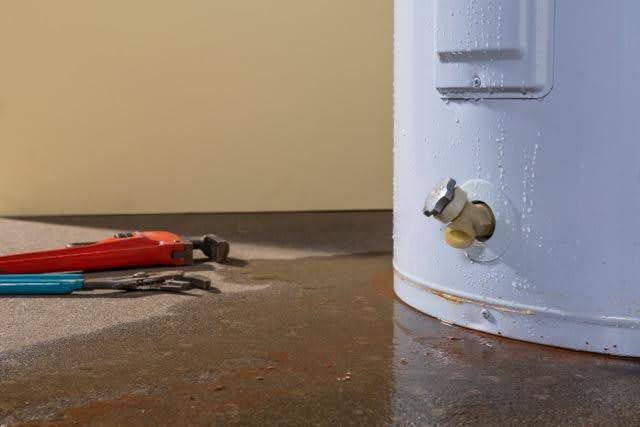
If you ever smell gas, see active leaking, or hear loud clicking with sputtering burner behavior, stop troubleshooting and call a professional. Safety comes first.
Step-by-step troubleshooting you can do safely
You don’t need to take anything apart to narrow down the cause. Use this quick process instead:
- Identify your heater type: gas tank, electric tank, or tankless
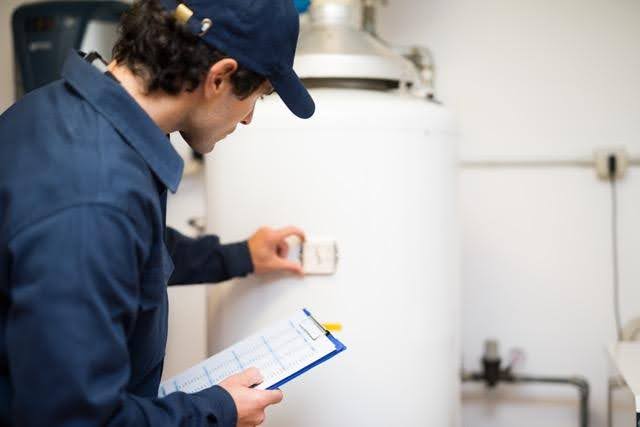
- Track when the clicking happens: at startup, during heating, right after hot water use, or randomly.
- Check performance: Are there any changes in hot water volume, water temperature consistency, or recovery time?
- Do a quick visual scan:
- Look for moisture, corrosion, or mineral crust at connections.
- Check that panels and access covers sit snugly.
- Look for moisture, corrosion, or mineral crust at connections.
- Confirm the temperature setting: Many households only need 120°F, which also helps reduce scaling and excess wear over time.
- Decide your next step:
- If the sound is soft and occasional, monitor it.
- If it’s frequent, loud, or new, schedule water heater repair before a small issue becomes a bigger one.
- If the sound is soft and occasional, monitor it.
Top nine reasons your water heater makes clicking noises
Here are the most common causes of a water heater clicking noise and what they usually mean.
1. Normal thermal expansion and contraction
Metal expands and contracts as it heats and cools, which causes brief clicking sounds. If performance is normal, it’s usually fine.
2. Sediment shifting at the bottom of the tank
Mineral buildup moves as the tank heats, causing clicking, especially if the noise has gotten more frequent.
3. Electric heating element cycling or failing
Some clicking is normal, but louder or constant clicking with lukewarm water signals a failing element or thermostat and may need water heater repair.
4. Loose panels, brackets, or pipe vibration
A loose access panel or vibrating pipe clicks when the unit runs. Secure covers and look for pipes touching framing.
5. Gas ignition and burner components
A quick click during start-up is normal. Repeated clicking, delayed ignition, or uneven heating calls for service.
6. Tankless relays or valves are clicking
Light clicking during hot water use is normal. Loud, new clicking, or error codes mean it’s time to schedule service.
7. Water hammer or pressure spikes
Pressure changes cause clicking or banging that sounds like it’s coming from the heater, especially when appliances shut off.
8. Expansion tank issues or missing expansion control
A failing or waterlogged expansion tank causes noise and additional stress on connections, leading to leaks.
9. Age and internal wear
If clicking is accompanied by leaks, corrosion, or temperature issues, water heater replacement may make more sense than repeated repairs.
Benefits of fixing the issue early
Clicking is more than annoying. Getting ahead of it helps you:
- Prevent larger failures and water damage
- Improve hot water consistency and recovery
- Reduce stress on major components
- Extend equipment lifespan
- Plan upgrades on your timeline, not during an emergency
Common mistakes to avoid
- Ignoring a new or worsening noise and hoping it goes away
- Cranking up the temperature instead of addressing the real cause (120°F is enough for many homes)
- Opening gas or electrical compartments without training
- Skipping maintenance that prevents sediment-related issues
- Waiting until the unit fails instead of planning if it’s clearly aging out
Data and research insights
A few numbers explain why small issues matter in the long term.
- InterNACHI lists a conventional water heater’s life expectancy as six to 12 years (a guideline that varies by conditions and maintenance).
- ENERGY STAR notes that tankless water heaters have a life expectancy of around 20 years.
- Industry guidance emphasizes that sediment buildup reduces energy efficiency and recommends routine flushing for many storage water heaters, especially in hard water areas.
If clicking comes with poor performance, age, or visible wear, price out water heater replacement now so you don’t have to make a rushed decision later.
Simple tools to help you pinpoint the clicking
If you want to do basic checks safely, keep it simple:
- Flashlight and paper towels
- Small mirror
- Water pressure gauge
- Smart leak sensor near the heater
- Garden hose for flushing a tank
For maintenance guidance, follow your manufacturer’s instructions. Many recommend checking the temperature and pressure relief valve and flushing the tank periodically.
FAQs
Is clicking normal for a water heater?
Sometimes. Light ticking during start-up or heating is normal, especially with thermal expansion. If the sound is loud, constant, or new, or if you notice temperature changes, schedule water heater repair to rule out sediment or component issues.
Can sediment cause clicking?
Yes. Sediment shifts as the tank heats, creating clicking, popping, or rumbling sounds. Regular maintenance helps reduce buildup, and a professional flush often improves performance.
Should I shut the heater off if it’s clicking?
If the clicking is loud and sudden, or you notice leaking, burning smells, or a gas odor, shut it down and call a professional right away. If it’s mild and occasional with no other symptoms, monitor it and schedule a check if it worsens.
When does replacement make more sense than repair?
Choose water heater replacement when the unit is older, shows corrosion or leaking, or needs repeated service. If the heater is newer and the issue is isolated, water heater repair often makes sense first.
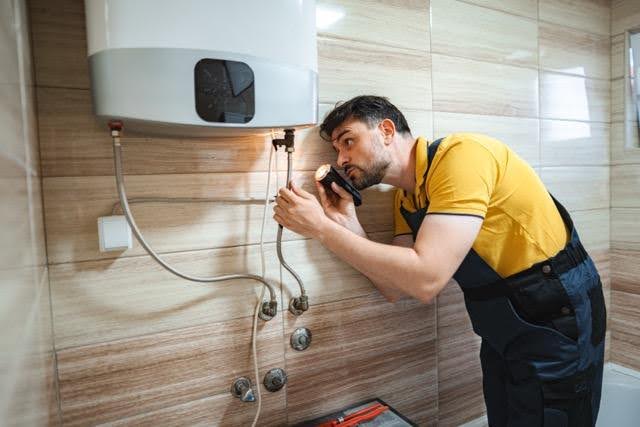
Protect your hot water with Salisbury Plumbing
A clicking sound might be normal, but it also might be your first warning that something’s off. Pay attention to when it happens, watch for leaks or temperature changes, and skip the temptation to crank up the heat as a quick fix.
If the clicking is frequent or getting louder, contact Salisbury Plumbing so we can pinpoint the cause and handle water heater repair before it turns into a bigger problem. And if your unit is nearing the end of its lifespan, we’ll walk you through water heater replacement options that fit your home and budget so that you can make the next move with confidence.