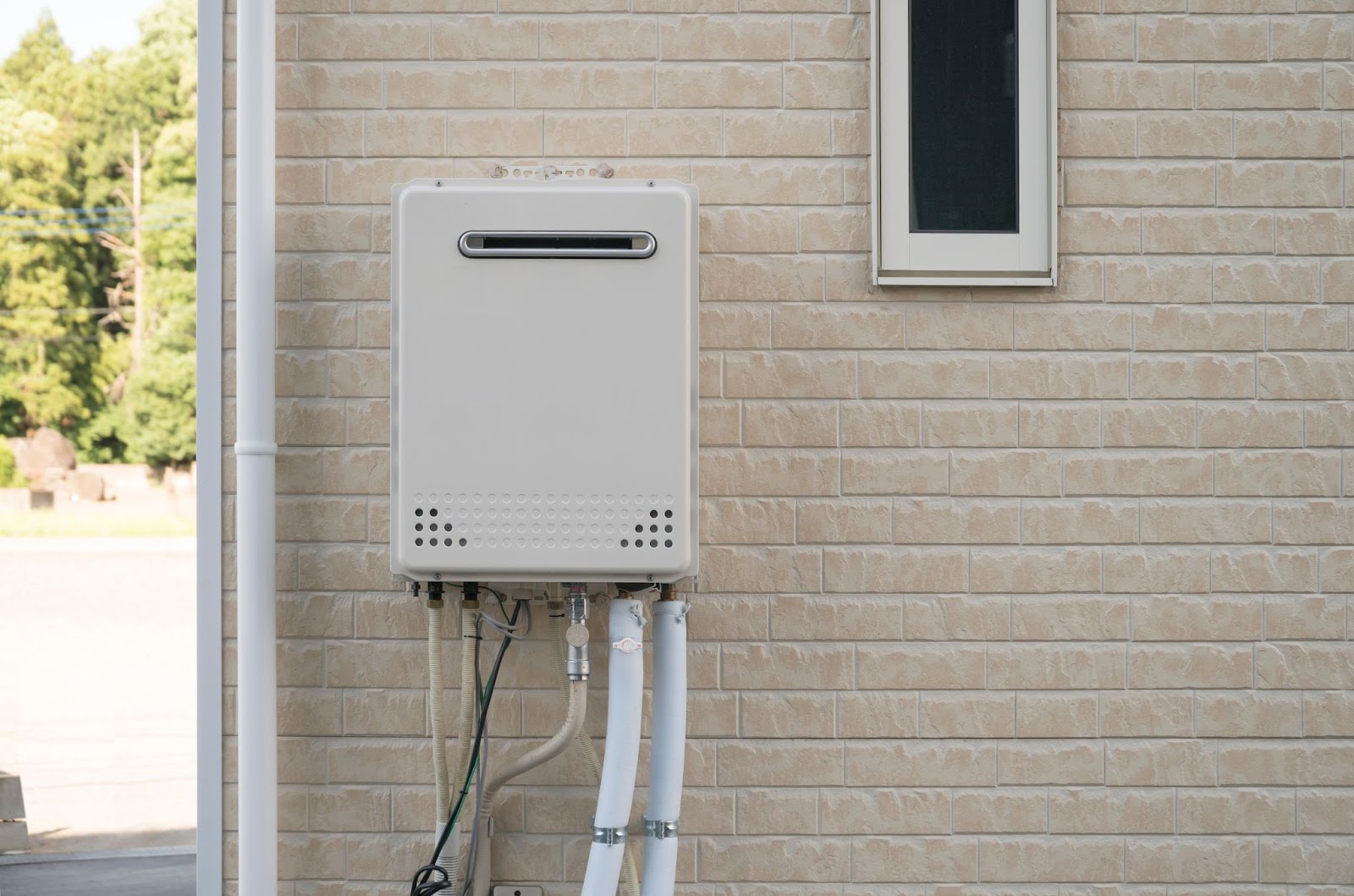

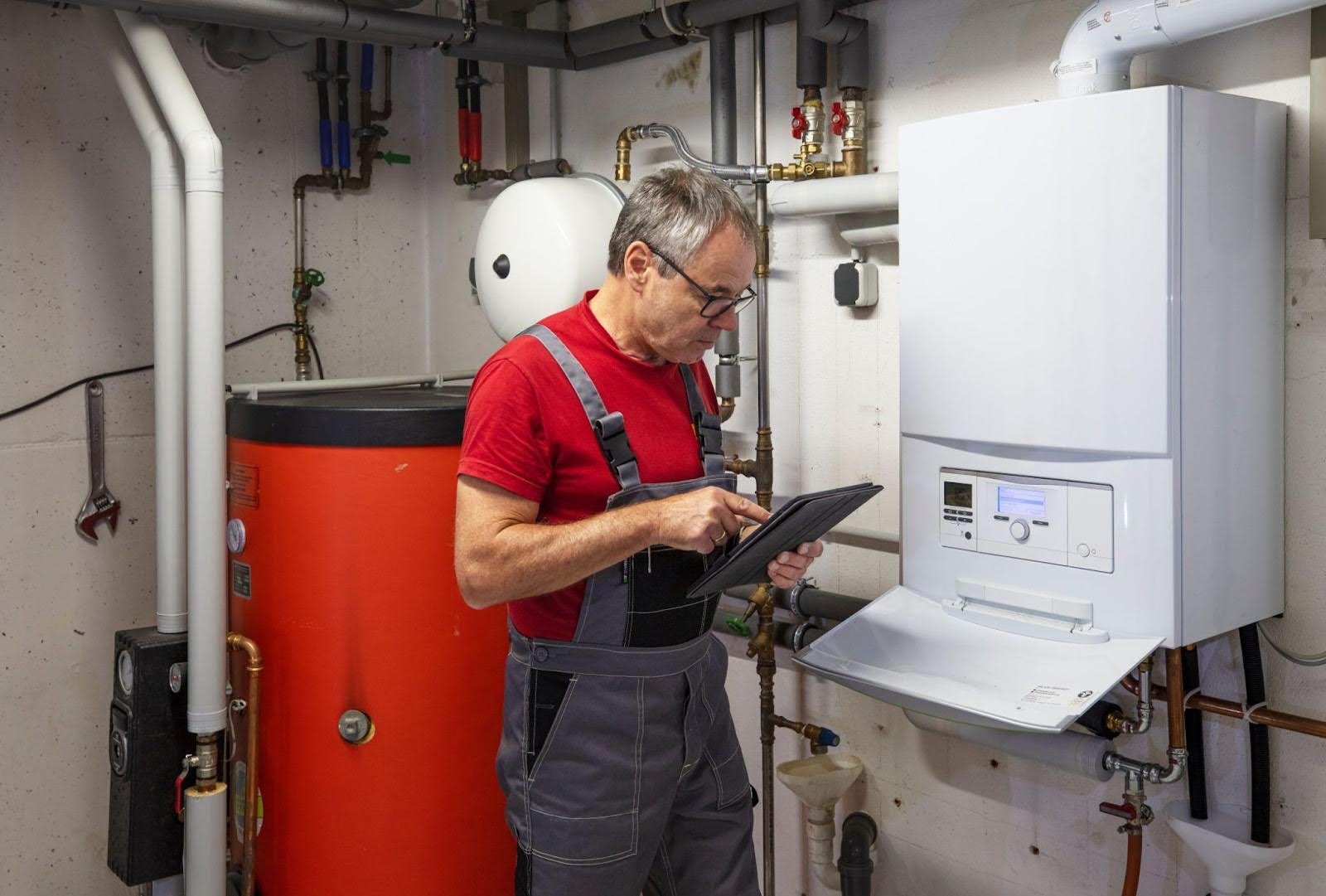
A tankless water heater gives homeowners a modern solution for reliable hot water, eliminating the need for a bulky storage tank. Many people think about switching because they want better efficiency, more space, or endless hot water, but the upgrade comes with its own set of pros and cons.
Before you change your system, you need to understand how tankless units work, what they offer, and where they fall short.
This guide walks you through the biggest advantages, potential drawbacks, long-term costs, and the types of homes that benefit the most. By the end, you’ll know whether a water heater upgrade makes sense for your daily routine, budget, and long-term comfort.
How do tankless water heaters work?
A tankless heater operates differently from a traditional tank system because it only heats water when needed.
Instead of storing 40–50 gallons of hot water in a tank, a tankless unit activates the moment you turn on a faucet, shower, or appliance. Cold water enters the system, passes over powerful heating elements or a gas burner, and comes out the other side instantly hot.
Tankless systems are available in both gas and electric models. Gas units heat water through high-powered burners, while electric models use heating coils. Both operate within seconds, delivering a steady flow of hot water as long as you need it.
A tankless system offers dependable, long-lasting performance. Once homeowners understand how efficiently these systems work, it’s easy to see why so many consider them one of the smartest water heater upgrades available today.
Still, let’s take a look at the pros and cons, to decide what’s best for you and your family.
Pros of tankless water heaters
A tankless heater offers several advantages that make it an attractive option for homeowners looking for comfort, efficiency, and long-term value. When you understand what these systems deliver, it becomes clear why so many people consider a water heater upgrade.
Endless hot water
A tankless system heats water the moment you need it, so you never face a cold shower because the tank ran out. Families with back-to-back morning routines or high hot-water use often choose a tankless heater for this reason alone.
Better energy efficiency
Traditional tanks operate continuously to maintain a constant water temperature. A tankless system heats water only when a sink or shower turns on. That on-demand performance cuts energy waste and lowers monthly utility bills. Many homeowners complete a water heater upgrade specifically to take advantage of this higher efficiency.
Space-saving design
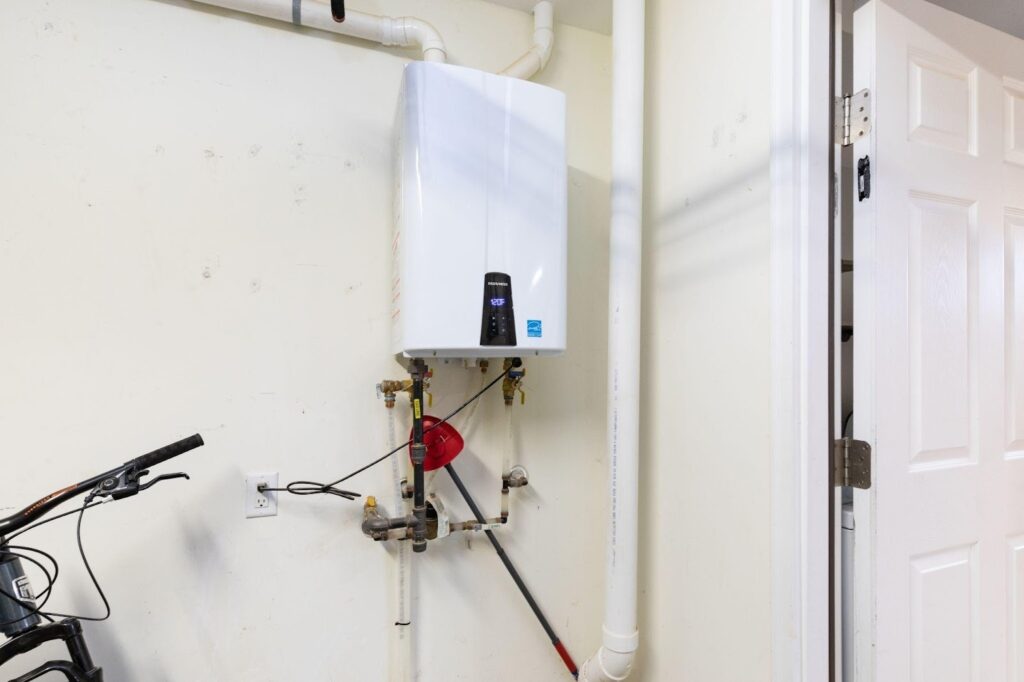
A tankless unit mounts on the wall, freeing up valuable floor space. The slim, compact design fits utility closets, garages, small mechanical rooms, and even tight apartment layouts. During tankless water heater installation, your plumber can place the unit in areas where a bulky tank could never fit.
Longer lifespan
A well-maintained tankless heater typically lasts longer than a traditional tank-style water heater. With no large storage tank to rust or fail, tankless systems stay reliable for many years. This longer lifespan adds value to your investment and reduces the frequency of replacements.
Reduced risk of leaks
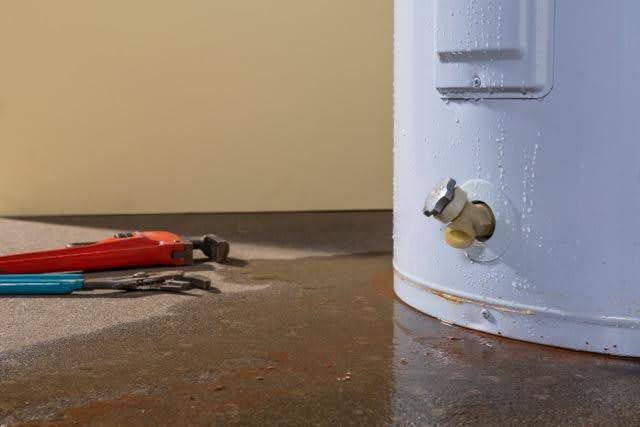
Since tankless systems don’t hold large amounts of stored water, you avoid the risk of a tank bursting or flooding your home. This gives homeowners extra peace of mind and protects floors, walls, and belongings.
Cleaner, fresher water
Tank-style heaters accumulate sediment over time, potentially impacting water quality. A tankless water heater heats fresh water every time, delivering cleaner water throughout your home.
Cons of tankless water heaters
While a tankless heater offers many benefits, it isn’t always the perfect fit for every home. Understanding the potential downsides helps you make a smart, confident decision before investing in a water heater upgrade.
Higher upfront cost
The biggest drawback for most homeowners is the price. A tankless heater costs more upfront than a traditional tank-style water heater, and installation is more complex. Gas models often require upgraded venting or larger gas lines, which increases the overall cost of installing a tankless water heater.
Limited flow rate
Tankless units heat water as needed, but they sometimes struggle when multiple fixtures run simultaneously — such as running a shower, dishwasher, and washing machine at the same time. Homes with large families or heavy hot-water use may need more than one unit or a higher-capacity system.
Possible temperature fluctuations
Some users experience what’s known as the “cold-water sandwich,” where a short burst of cool water appears between hot-water cycles. While not dangerous, it is annoying and typically depends on the model and layout of your plumbing system.
Hard water challenges
If you live in an area with hard water, mineral buildup reduces the performance and lifespan of a tankless heater. Regular maintenance or pairing your unit with a water softener helps protect your investment, but it does add to your overall upkeep.
Not ideal for every home’s layout
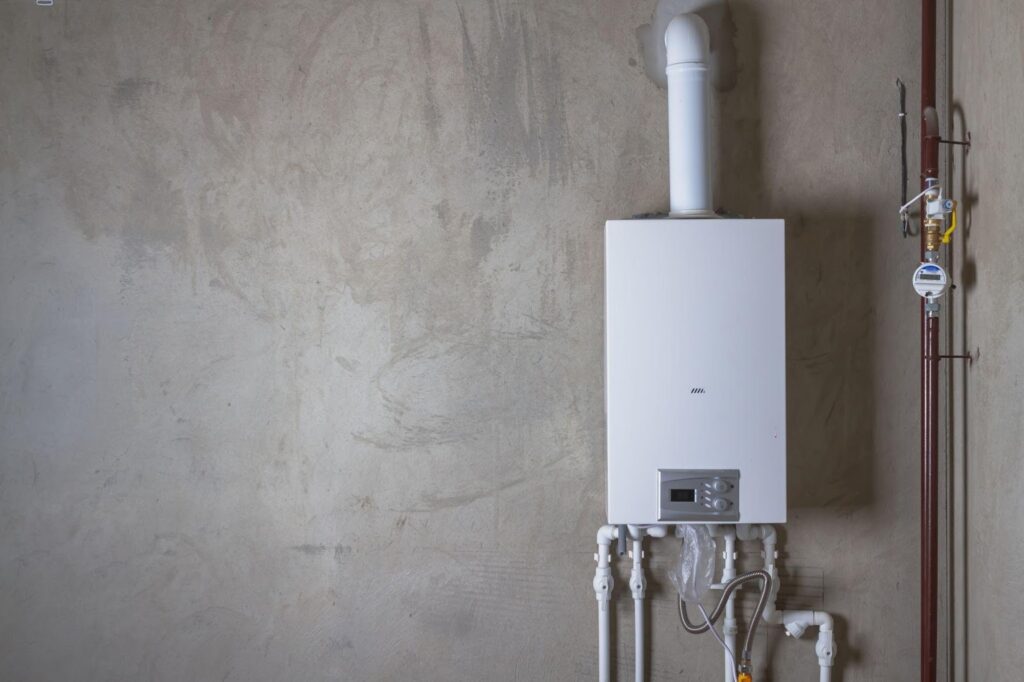
A tankless water heater installation requires proper ventilation, adequate drainage, and access to a sufficient gas or electrical supply. Some older homes need upgrades before installation is possible. While these updates improve long-term safety and performance, they contribute to the overall cost of a water heater upgrade.
Cost considerations: upfront vs. long-term
The cost of switching to a tankless heater depends on several factors, including the size of your home, your hot-water demands, and the type of fuel your system uses. While tankless units cost more upfront, many homeowners still choose them because the long-term savings and reliability outweigh the initial investment.
Upfront installation costs
A tankless water heater installation typically costs more than installing a traditional tank. Gas units may require upgraded venting, larger gas lines, or electrical work to ensure proper operation. Electric units may need a dedicated circuit or panel upgrade.
Long-term energy savings
Because a tankless system heats water only when needed, it eliminates standby heat loss and reduces your monthly utility bills. Over the lifespan of the unit, which is often longer than a tank, these savings significantly offset your initial water heater upgrade costs.
Maintenance and durability
Tankless systems last longer than tank heaters when properly maintained. Their durability means you may avoid multiple tank replacements over the years, which adds more value to your investment. In areas with hard water, adding a softener or scheduling regular maintenance protects the system and ensures its performance.
Switching to a tankless heater is a larger upfront investment, but when you factor in lower energy bills, a longer lifespan, and reduced risk of leaks, it becomes one of the most cost-effective water heater upgrades available today.
Upgrade your home with Salisbury Plumbing
If you’re thinking about making the switch, Salisbury Plumbing is here to help. From selecting the right tankless water heater to completing a safe and precise installation, our team handles everything with care and expertise.
We’ll walk you through your options, size your system correctly, and make sure your water heater upgrade delivers the comfort and efficiency you’re looking for.
Don’t guess your way through an important home investment. Contact Salisbury Plumbing today for dependable recommendations, professional installation, and long-lasting tankless water heater performance.