If you live in an area with hard water, you’ve probably dealt with plumbing issues and might need hard water solutions. This is because hard water often contains calcium, iron, magnesium, copper, and other minerals that slowly wear down your plumbing and lead to severe damage over time.
These minerals come from the soil around your home and enter your water through the groundwater supply. The good news is that they’re safe to drink. The bad news is that their impact on your plumbing may be costly, frustrating, and long-lasting.
In today’s blog, we’re looking at the negative impacts of hard water, how to recognize it, and, ultimately, how to get rid of hard water in your plumbing. Let’s dive in.
The negative impacts of minerals
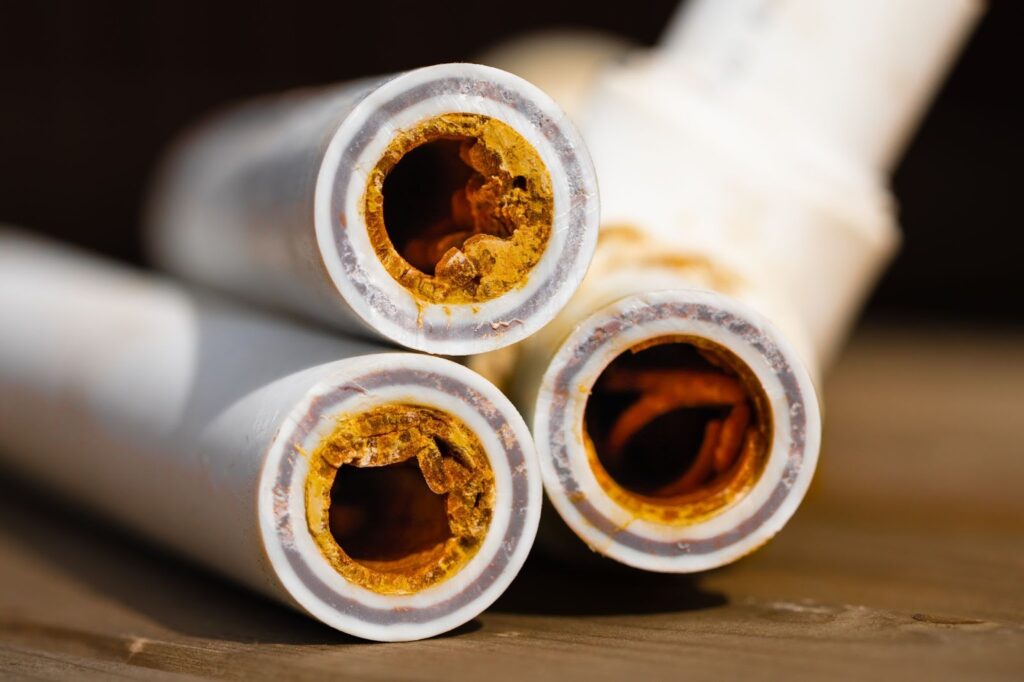
As steel pipes age, they start to clog with limescale created by mineral buildup. But this issue isn’t limited to steel; copper and PVC pipes also suffer from the same type of damage. Over time, minerals in hard water attach to the inner surfaces of these pipes, narrowing the openings, slowing water flow, and increasing the risk of leaks or corrosion.
Removing hard water and protecting your water lines
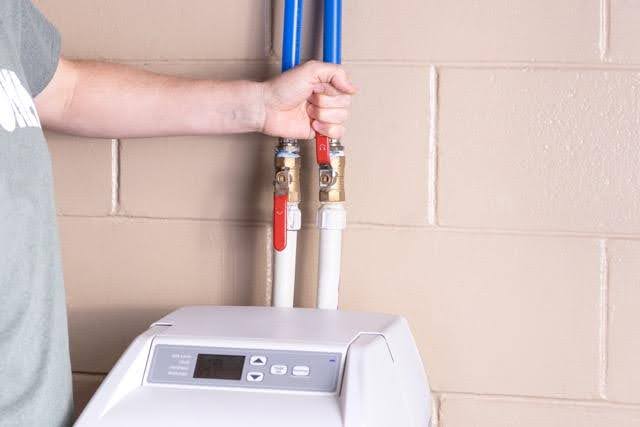
One of the easiest ways to prevent mineral buildup is with water softener installation. A softener removes calcium, magnesium, copper, and other minerals before they ever reach your pipes. Without treatment, hard water continues to create harmful buildup.
Signs you have clogged pipes
Hard water will impact your plumbing and your home’s water quality long before you notice significant damage.
Low water pressure
One of the first signs is low water pressure. As minerals collect inside your pipes, they restrict flow, and you may begin to notice small particles or debris in your sink, shower, or bathtub. These bits of buildup travel through your plumbing and often signal the need for targeted hard water solutions.
Visible particles in your water
If you’re seeing visible particles in your water, the next step is typically the installation of a water softener or another type of water treatment system. These options improve water quality and protect your pipes.
If treatment doesn’t help, the buildup may be severe enough to require a new water line. Waiting only makes the repair more complicated — and more expensive.
Rising water bill
Another big warning sign is a rising water bill. When minerals clog your pipes, water can’t move through them the way it should. Pressure builds, waste materials get trapped, and, in some cases, the pipes even crack. Water then escapes into walls, floors, or underground before it ever reaches a faucet or drain.
This hidden leakage wastes a surprising amount of water over time, and your monthly bill will reflect it. Addressing the issue quickly with proper hard water removal prevents further damage and helps keep your costs under control.
The risks of chemical-based cleaning products
Chemical drain cleaners may help with hair clogs, but they are not effective solutions for removing hard water deposits. These products don’t break down mineral buildup, and they often cause more harm than good. Harsh chemicals corrode your pipes, accelerate wear, and even create leaks — especially in older plumbing systems.
They’re also unsafe to use in water lines connected to your drinking supply. When these chemicals don’t fully flush out of your system, they might linger in the water you use every day, which is not safe for consumption.
Instead of relying on cleaners that could damage plumbing, focus on removing hard water properly through professional treatment or water softener installation, which protects your pipes without introducing harmful chemicals into your home.
Removing calcium buildup in your pipes
You can sometimes handle minor calcium buildup on your own, mainly if the blockage hasn’t spread too far through the plumbing.
Pouring white vinegar down the drain is one of the simplest solutions for hard water, as vinegar slowly dissolves light magnesium and calcium deposits. After letting it sit, flush the line with hot water to clear out the residue and remove any lingering vinegar odor that could affect the taste of your drinking water.
For tougher buildups, mix vinegar with baking soda. This reaction creates a bubbling effect that helps break down mineral deposits more effectively. A small, long-handled brush also helps you scrub inside accessible sections of pipe to dislodge stubborn buildup.
These DIY steps only work for mild cases. If mineral deposits continue to form or the clog is deeper in the system, it’s time to consider professional hard water removal or installing a water softener.
Removing buildup from shower heads and faucets
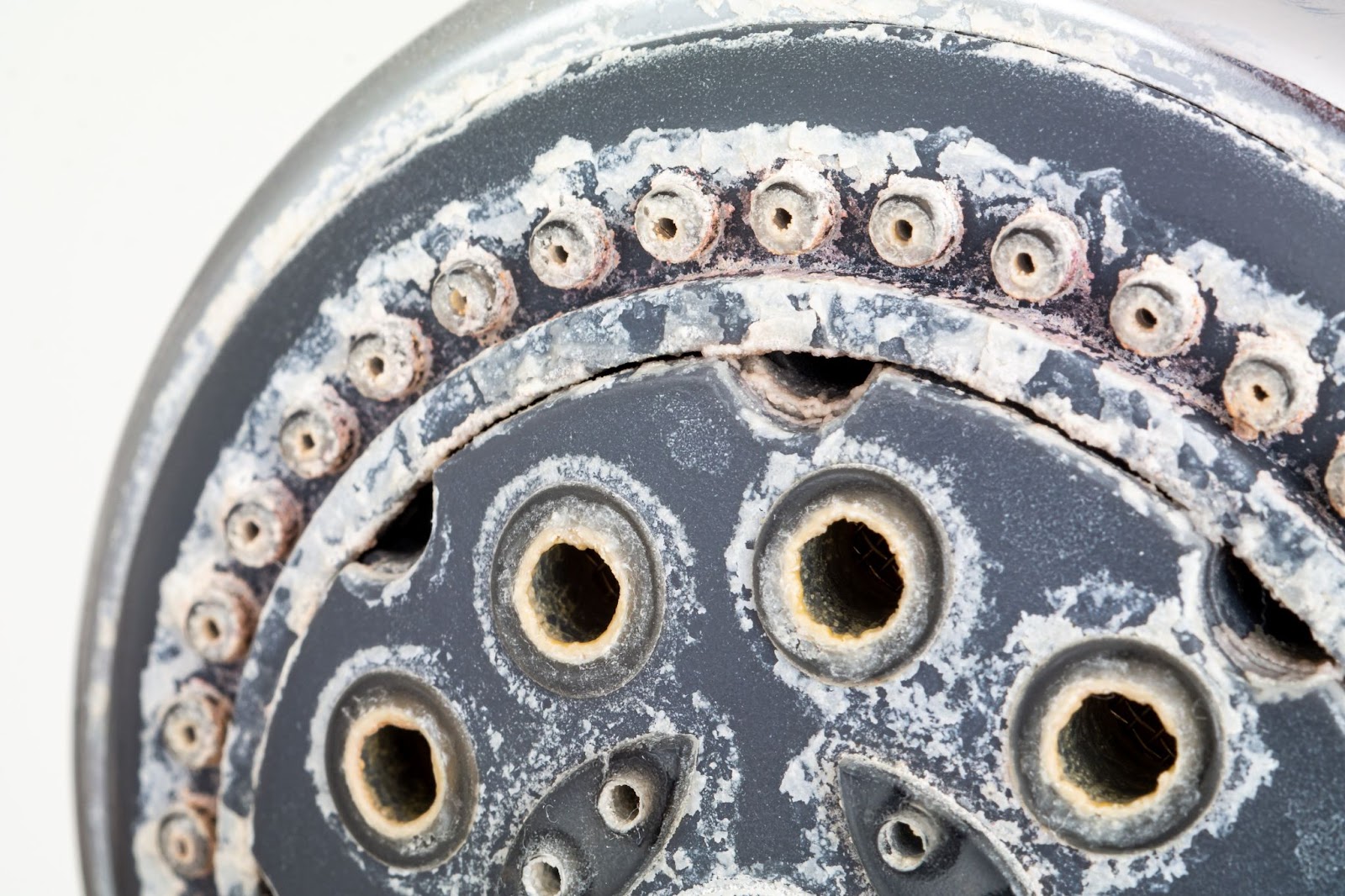
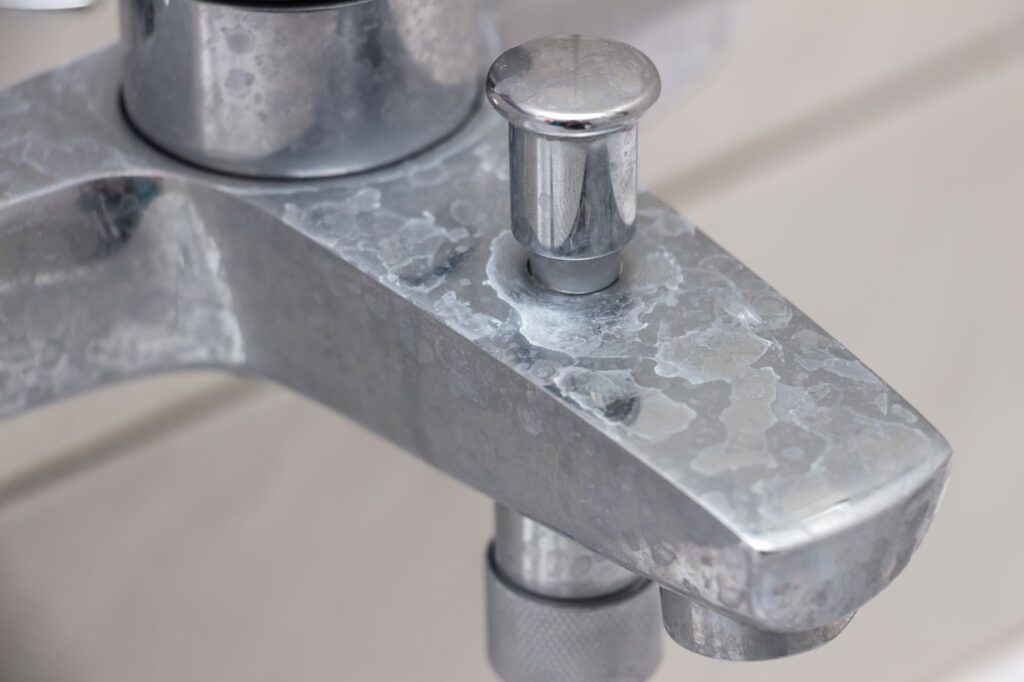
If you notice calcium buildup on your shower head or faucet, you can often clean it with a simple soak. Remove the fixture and place it in hot water mixed with a mild cleaning solution or white vinegar. After soaking, the hardened mineral deposits loosen, making them much easier to scrub away, allowing water to flow freely again.
The best ways to prevent mineral buildup
Prevention is the key to protecting your plumbing. Choosing PEX plastic pipes is a smart long-term option, especially for new construction. PEX is naturally resistant to mineral accumulation from calcium, magnesium, copper, and iron, which makes it an excellent defense against hard water damage.
Another effective step is installing a water softener. A soft water system removes the minerals responsible for buildup before they ever enter your plumbing. This is ideal for new homes and works wonders for older plumbing by stopping future scale and keeping your water lines clear.
Professional hard water solutions, such as softeners and filtration systems, provide long-lasting protection that.
Protect your home with Salisbury Plumbing
Hard water affects far more than your pipes; it impacts your appliances, comfort, and daily routines. If you’re ready to put an end to buildup, poor water quality, and recurring plumbing issues, Salisbury Plumbing is here to help. Our team offers reliable hard water solutions, professional hard water removal, and expert water softener installation to keep your home running smoothly.
Let us diagnose your water issues, recommend the right system, and install it with care to enjoy cleaner water, better performance, and long-lasting protection.
Contact Salisbury Plumbing today to take the first step toward healthier water and a healthier home.