
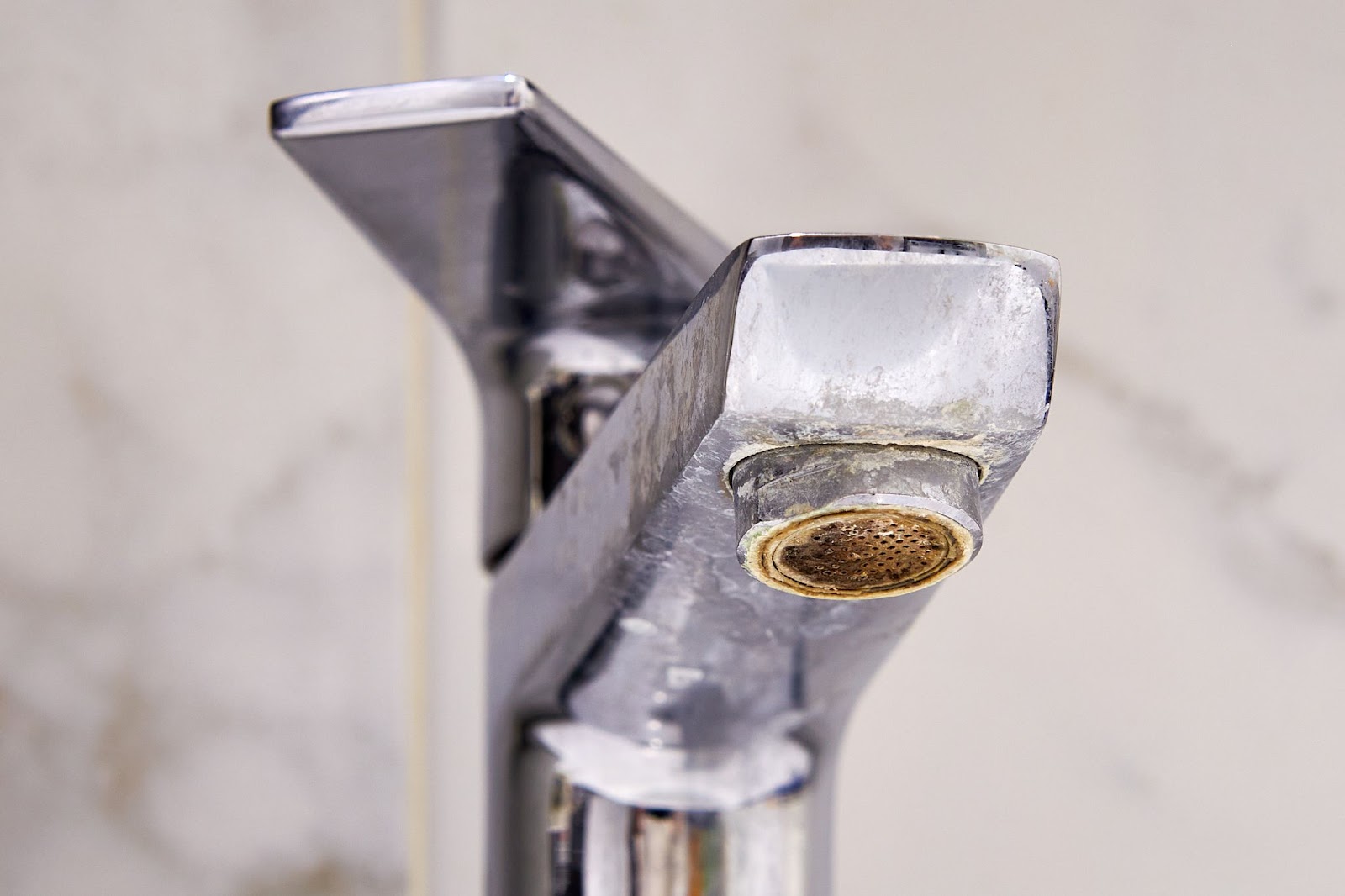
Hard water damage often shows up as chalky scale on fixtures, clogged aerators, spotty dishes, stiff laundry, and slower appliance performance. You can confirm it by checking for limescale buildup, reduced flow, and sediment in showerheads and faucet screens. The best hard water solutions start with testing hardness and learning how to fix hard water damage before it spreads.
Stay ahead of the buildup
Hard water rarely causes one dramatic failure. It creates slow wear that adds up — buildup inside pipes, reduced flow at fixtures, and appliances that work harder to keep up. Many homeowners don’t realize they have hard water damage until the symptoms become expensive: low pressure, repeated clogs, or a water heater that struggles to deliver steady hot water.
In this guide, you’ll learn the clearest warning signs, how to confirm what you’re seeing, and how to fix hard water damage with practical steps and long-term hard water solutions that protect your plumbing and appliances.
What hard water does to pipes and appliances
Hard water contains higher levels of dissolved minerals, primarily calcium and magnesium. Over time, those minerals leave behind scale, which is the crusty, chalky residue you see on fixtures and inside appliances. The U.S. Geological Survey (USGS) notes that hard water is associated with higher calcium and magnesium concentrations and provides resources for understanding hardness across the U.S.
The tricky part is that you might only see the “tip of the iceberg.” A faucet looks fine on the outside while mineral deposits quietly narrow the path inside the aerator, valve, or supply line. That hidden buildup shows up as reduced flow, inconsistent temperature, and appliances that take longer to do the same job.
If you’re noticing multiple symptoms at once, don’t assume you need a stronger cleaner. Start thinking in terms of prevention and the right hard-water solutions, rather than chasing surface-level fixes.
Step-by-step: How to spot mineral buildup in your home
Use this checklist to quickly identify the most common problem areas.
1. Check fixture surfaces for visible scale
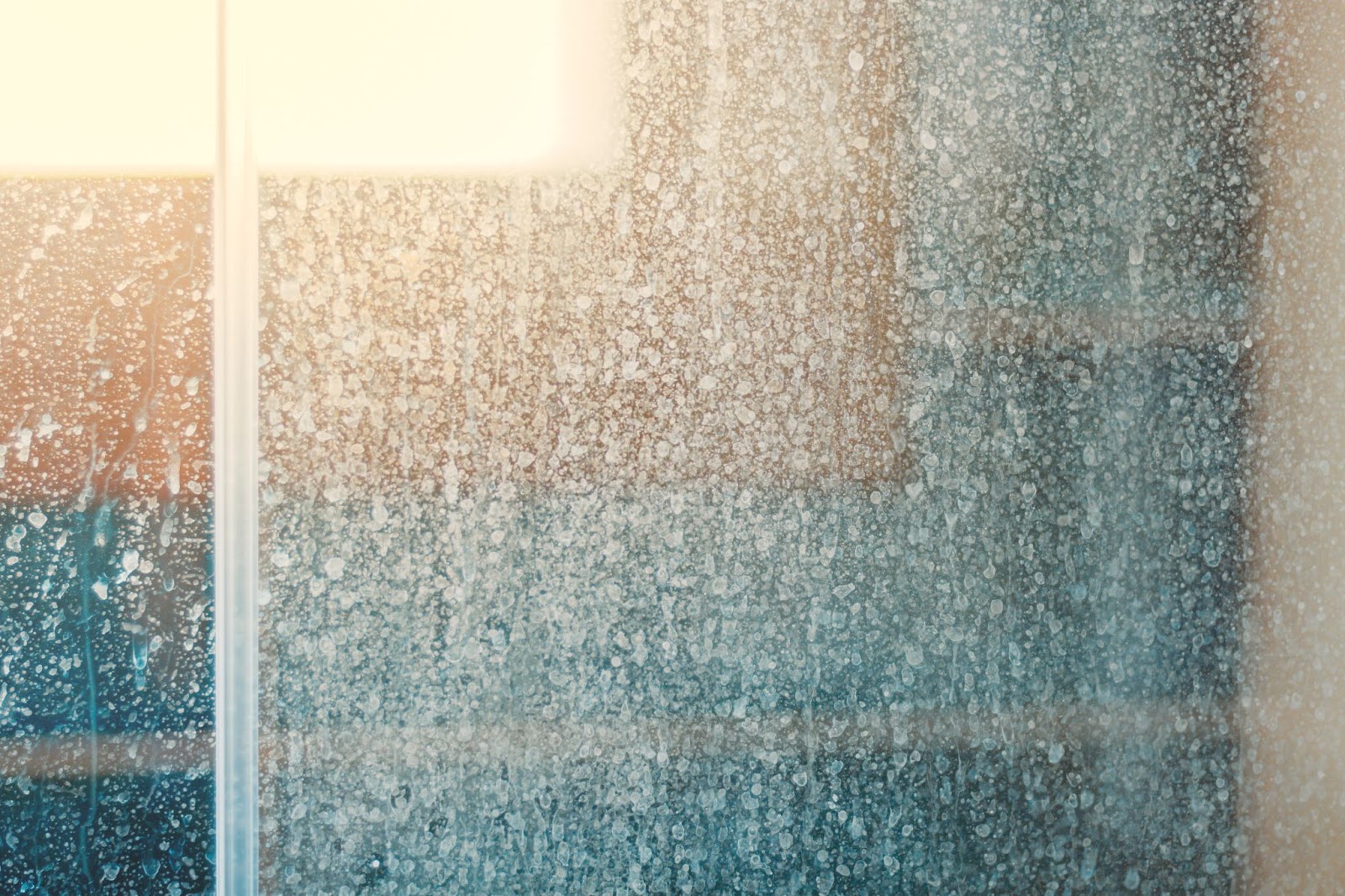
Look for white, chalky buildup on faucets, showerheads, tub spouts, and glass. If the residue keeps coming back shortly after cleaning, that’s a strong sign that minerals are depositing regularly.
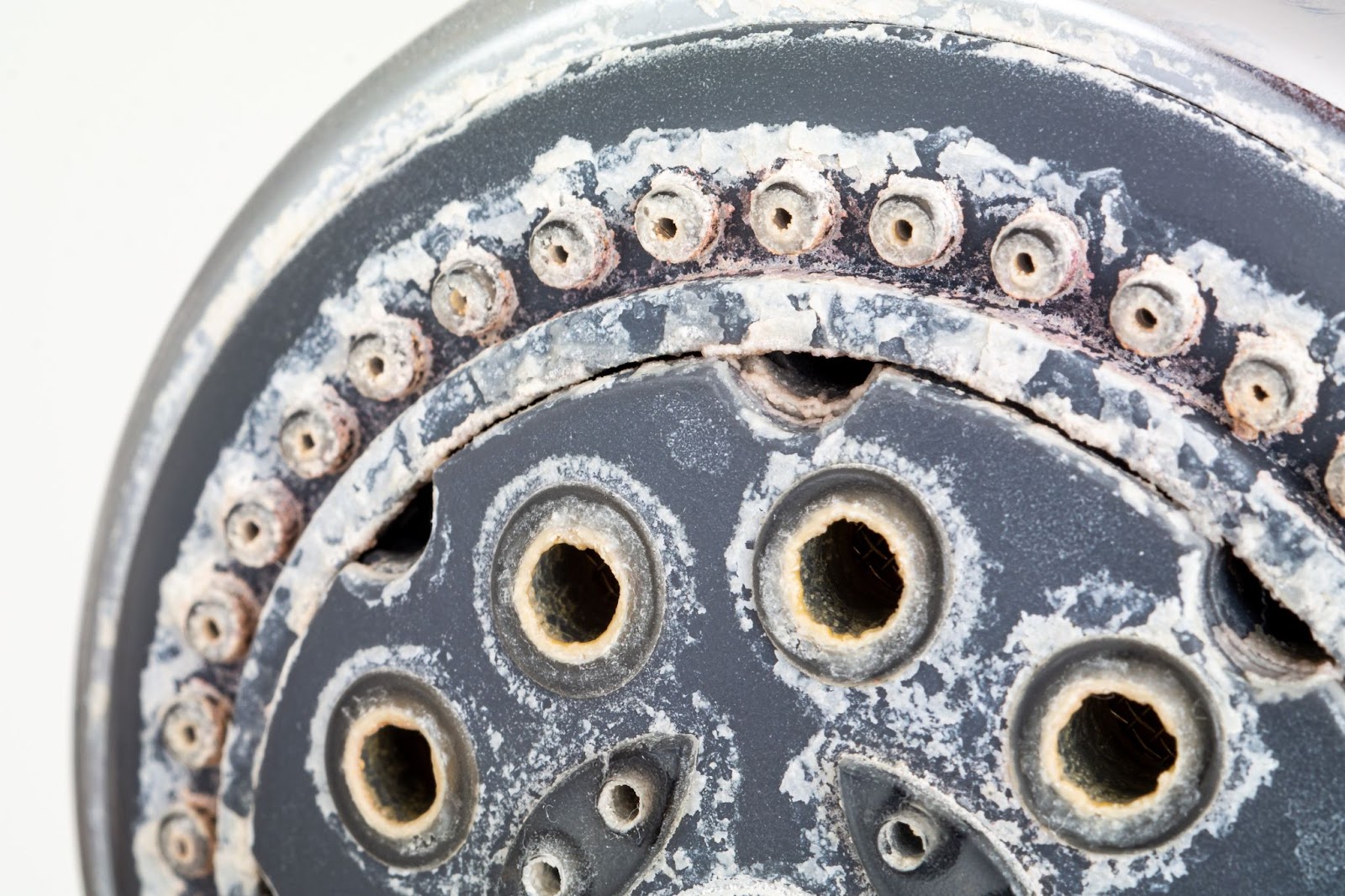
2. Inspect aerators and showerheads
Unscrew the faucet aerator or remove the showerhead (if you’re comfortable doing so) and look for grit, flakes, or hardened buildup. This is one of the fastest ways to confirm the presence of mineral deposits.
3. Watch for gradual pressure or flow changes
If one fixture has low flow, check that fixture’s aerator or cartridge for buildup. If multiple fixtures lose pressure over time, the buildup could be affecting more of the system.
4. Look for soap and rinse problems
Hard water minerals react with soap, forming soap scum that clings to shower walls and makes rinsing feel harder. USGS explains that minerals in hard water react with many soaps to form “soap scum.”
5. Check your dishwasher and glassware
Cloudy dishes, film on glass, or spots that return even with rinse aid signal mineral deposits on spray arms, heating elements, and internal surfaces.
6. Pay attention to laundry changes
Clothes may feel stiff, look dull, or seem harder to rinse clean. You may also need more detergent to get the same result.
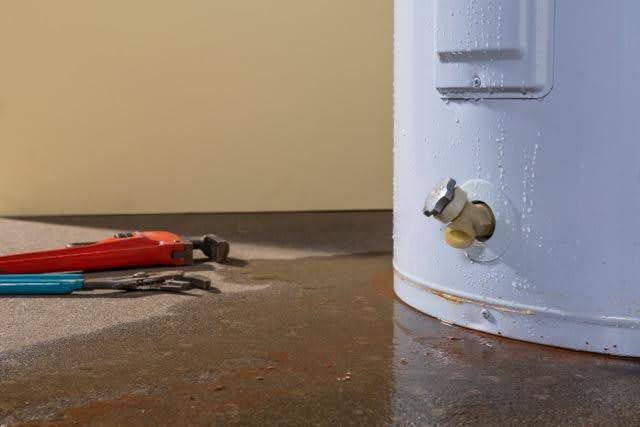
7. Listen to your water heater
Popping, rumbling, or louder-than-usual operation point to sediment buildup in the tank. If hot water runs out faster or recovery time slows, scale may be to blame.
8. Look for crust near valves and connections
White or greenish crust near shutoffs, supply lines, or the water heater indicates minor seepage that leaves minerals behind as water evaporates.
9. Confirm with a hardness test
Use test strips, a home kit, or a professional test to confirm hardness levels. Many water suppliers also publish annual water quality reports, which help you understand your baseline hardness.
If this checklist reveals multiple hotspots, it’s a sign your home may be trending toward broader hard-water damage, not only a dirty showerhead.
Benefits of catching buildup early
Mineral deposits rarely stay “small.” The earlier you catch them, the more options you have — and the less disruptive the fix tends to be.
- You keep fixtures flowing better and reduce clog-related headaches
- You protect water heater performance and reduce stress on heating components
- You improve cleaning results in showers, dishwashers, and laundry
- You reduce the odds of leaks that start around scaled fittings and valves
- You make fixing hard water damage simpler, because you’re addressing deposits before they spread
If you’re already seeing consistent spotting, soap scum, and reduced flow, treat it as early hard water damage and act before it becomes a whole-home performance problem.
Common mistakes to avoid
Homeowners often lose time and money by treating symptoms instead of the cause. Here are the most common missteps:
- Cleaning fixtures repeatedly without confirming hardness levels
- Using harsh chemical cleaners as a routine strategy instead of prevention
- Skipping water heater maintenance while deposits build up
- Buying a water softener without testing the hardness first
- Waiting until pressure drops across the entire home to act
- Assuming a single bottle of “descaler” counts for permanent hard water solutions
- Ignoring appliance warning signs like longer cycles, louder operation, and persistent spotting
Data, statistics, and research insights
A few reference points help explain why mineral buildup matters beyond cosmetics.
- Hardness varies widely by region. USGS provides hardness information and mapping resources to help homeowners understand their area and why some homes see deposits faster than others.
- Hard water affects soap performance. USGS notes that minerals in hard water often react with many soaps, forming soap scum.
- Scaling reduces equipment efficiency. Scale buildup can make water heaters work harder and run less efficiently. A PNNL review notes that mineral scale reduces heat transfer and lowers performance over time.
The bottom line is that hard water damage doesn’t only leave spots. It affects performance over time, which is why prevention and maintenance matter.
Tools and products to check and prevent buildup
You don’t need to overhaul your home overnight. Start with simple confirmation steps, then choose prevention that matches your household’s needs.
Quick checks and basic maintenance
- Hardness test strips or a home test kit
- Faucet aerator key (or a small wrench), plus a brush for cleaning
- White vinegar soak setup for showerheads and aerators (for light deposits)
- Appliance-safe descaling products for items like humidifiers and coffee makers (follow manufacturer guidance)
- Leak sensors near the water heater and under sinks for early warning
Whole-home prevention options
This is where long-term hard water solutions make the biggest difference:
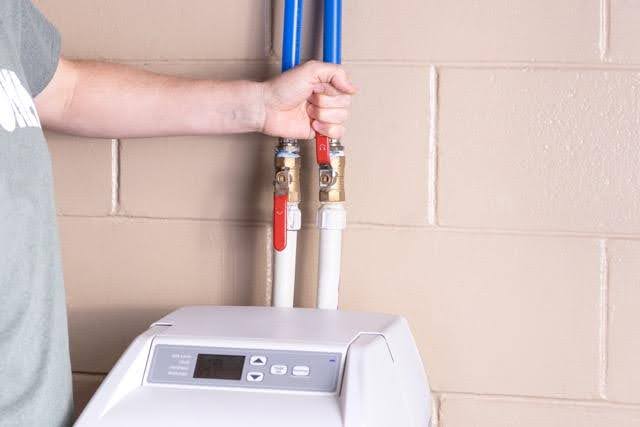
- Properly sized water softener systems
- Whole-home filtration options when water quality issues go beyond hardness
- Align routine water heater maintenance with your water conditions.
If you’re figuring out how to fix hard water damage in multiple parts of the home, combine targeted cleaning (fixtures and aerators) with prevention (treatment) so the problem doesn’t return a month later. That combination is often the most practical way to protect appliances and reduce repeated buildup.
FAQ
How do I tell if the buildup is coming from hard water or something else?
Look for patterns. If multiple fixtures show white residue and dishes or glassware spot easily, minerals are likely the cause. Confirm with a hardness test strip or your water quality report.
Can mineral buildup lower water pressure?
Yes. Deposits restrict aerators, showerheads, and valves. Over time, buildup also narrows piping and reduces flow throughout the house.
Does hard water affect water heaters?
It can. Mineral sediment may accumulate in tank heaters, contributing to noise, slower recovery, and reduced performance. Routine maintenance and water treatment help reduce the recurrence of buildup.
When should I call a plumber?
Call if pressure drops across multiple fixtures, deposits return quickly after cleaning, you suspect a leak near valves, or appliances, or the water heater shows performance changes you can’t explain.
Fix hard water damage with Salisbury Plumbing
If you’re seeing stubborn residue on fixtures, reduced flow, spotty dishes, and changing water heater performance, you may be looking at hard water damage — and it’s easier to handle when you catch it early. Start with a quick inspection and a hardness test, then focus on prevention to keep the buildup from coming back.
When you’re ready for a clear plan, contact Salisbury Plumbing. We’ll test your water, diagnose what’s happening in your system, and recommend hard water solutions that fit your home and budget — so you can fix the problem once and protect your plumbing long-term.