
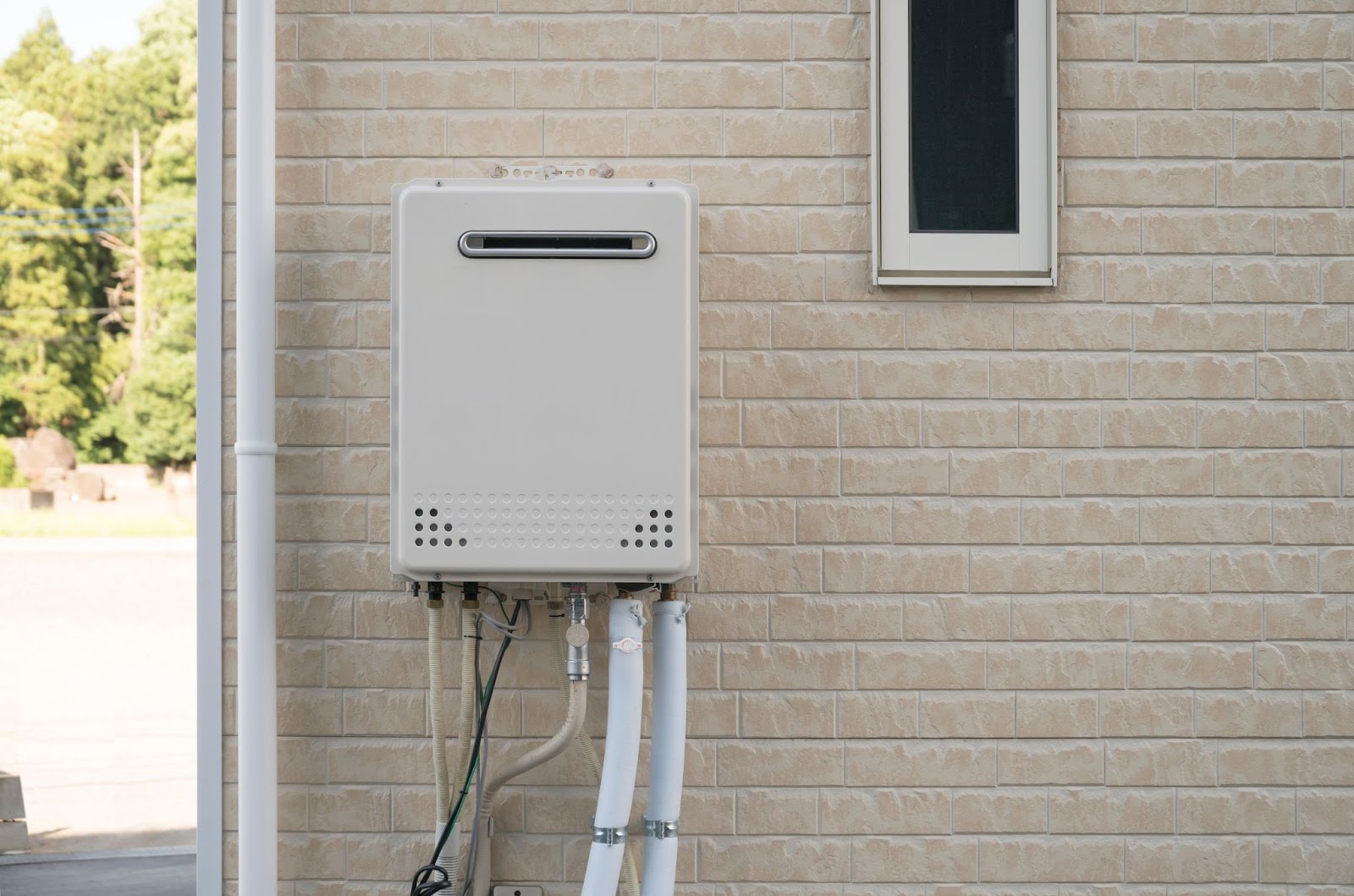
Choosing between a tankless water heater installation and a traditional storage tank is a major decision for any homeowner. Tankless models offer endless hot water and space savings, but come with higher upfront costs.
Conversely, traditional tanks are budget-friendly but prone to standby energy loss and limited capacity. Upgrading to a tankless water heater saves up to 34% in energy costs, making it a top choice for long-term value.
Few things disrupt a morning routine faster than a lukewarm shower. If your current unit is over a decade old or struggling to meet your family’s demand, it is time to consider a water heater upgrade.
In 2026, homeowners choose between the reliable, old-school storage tank and the high-tech precision of a tankless water heater installation.
Whether you are attracted to the “limitless” hot water of a Navien tankless water heater or the simple affordability of a standard tank, this guide will break down the costs, lifespans, and performance metrics you need to make an informed choice for your home. Keep reading to learn more.
What is a water heater upgrade?
A water heater upgrade involves replacing an existing hot water system with a newer, more efficient model, whether that’s a traditional heater or a tankless water heater. Traditional heaters store 40–80 gallons of water in a large tank, keeping it hot around the clock.
In contrast, a tankless water heater installation provides “on-demand” heating. When you turn on a tap, cold water flows through a heat exchanger — often a high-grade stainless steel component in a Navien tankless water heater — and is heated instantly.
But how do you choose? Let’s take a closer look.
Step-by-step guide to choosing your system
When planning your water heater upgrade, follow these steps to ensure you select the right technology for your lifestyle:
- Audit your peak demand: Calculate the number of hot water fixtures (such as showers and dishwashers) that run simultaneously.
- Evaluate your fuel source: Determine if you have access to natural gas, propane, or high-voltage electricity. Gas typically works better for Navien tankless water heater units in colder climates.
- Check your space: Measure your utility closet. If space is at a premium, a wall-mounted tankless unit is the clear winner.
- Compare installation complexity: Understand that a tankless water heater installation may require upgrading gas lines or venting, which adds to the initial labor cost.
- Calculate long-term ROI: Use current energy rates to see how many years it will take for energy savings to “pay back” the tankless premium.
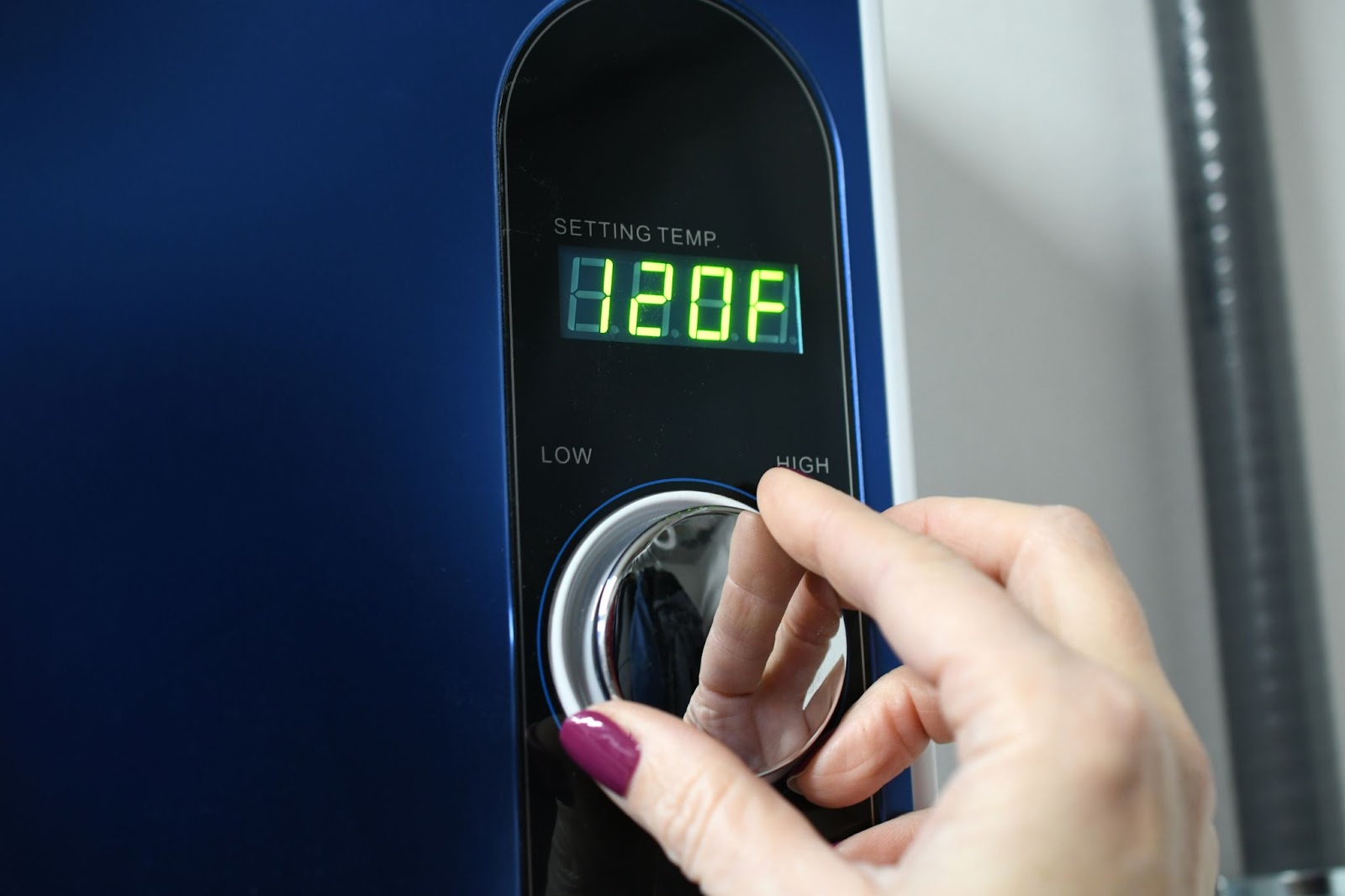
Real-life examples: tank vs. tankless
The large family home
A family of five in a three-bathroom home struggled with “hot water fatigue” every morning. After a water heater upgrade to a Navien tankless water heater with built-in recirculation, they eliminated the 20-minute wait for the tank to recover between showers. Their gas bill dropped because they were no longer heating 50 gallons of water overnight.
The “power outage” scenario
A homeowner with a traditional gas tank heater was the only one on their block with hot water during a winter power outage. Since traditional gas tanks often use a standing pilot light or a simple thermocouple that doesn’t require 120V power to operate the basic burner, they maintained a 50-gallon reservoir of hot water while their neighbor’s tankless unit (which requires electricity for its control board and sensors) sat idle.
The case for tankless: efficiency and longevity
Why should you consider the switch to an on-demand system? Here are the primary advantages:
- Endless hot water: You never “run out” because the water is heated as it moves.
- Energy preservation: No standby heat loss means you only pay for the water you actually use.
- Space savings: Tankless units are about the size of a suitcase and mount on the wall.
- Longevity: Most tankless units last 20–25 years, while tanks often fail and leak after 10–12 years.
- Reduced flood risk: Without a 50-gallon reservoir, the risk of a catastrophic basement flood is significantly lower.
The case for traditional: reliability and budget
Despite the trend toward tankless, traditional storage heaters remain the most popular choice in the US for several reasons:
- Lower upfront cost: A standard tank costs $1,000–$2,000 less to install than a tankless system. Even with the long-term savings of a tankless system, the upfront cost is a hurdle for some homeowners.
- High simultaneous flow: A large tank supplies a shower, a dishwasher, and a washing machine all at once without any drop in temperature, whereas smaller tankless units may struggle.
- Simpler maintenance: Although they still require flushing, the mechanical parts of a tank heater are simpler and less expensive to repair.
- Works with existing infrastructure: Most homes are already “vented” and piped for a tank. A tankless water heater installation often requires expensive modifications to gas lines and exhaust flues.
- No “cold water sandwich”: Tankless units sometimes experience a brief delay in heating, resulting in a burst of cold water; tanks provide instant hot water from the top of the reservoir.
Mistakes to avoid
- Undersizing the unit: Choosing a tankless unit with a low GPM (Gallons Per Minute) results in lukewarm water if two people shower simultaneously.
- Ignoring hard water: Both systems hate mineral buildup. If you have hard water, you must install a water softener or descale your tankless unit annually.
- DIY installation: A tankless water heater installation involves high-BTU gas lines and specialized venting. It’s a complex project that requires professional expertise.
- Forgetting permits: Many local jurisdictions require a permit for a water heater upgrade to ensure the gas and venting systems meet 2026 safety codes.
2026 water heater data and statistics
| Feature | Traditional Tank | Tankless (e.g., Navien) |
| Upfront Cost (Installed) | $1,200 – $2,500 | $3,500 – $6,000 |
| Energy Efficiency | 60% – 70% | 90% – 99% |
| Annual Savings | $0 (Baseline) | $150 – $350 |
| Physical Footprint | ~12 sq. ft. floor space | ~2 sq. ft. wall space |
| Expected Lifespan | 10 Years | 20+ Years |
Recommended products for your upgrade
- Navien NPE-2 Series: The industry leader in condensing tankless technology with built-in recirculation.
- Water softeners: Essential for protecting the heat exchanger in any tankless water heater installation.
- Recirculation pumps: These ensure hot water is at the tap instantly, saving thousands of gallons of water per year.
- Smart leak detectors: For traditional tanks, these sensors provide peace of mind by shutting off the water if a leak is detected.
FAQs
Q: Is a tankless water heater worth the cost in 2026?
Yes, a tankless water heater is worth it for most homeowners planning to stay in their home for more than seven years. The combination of lower monthly bills, a 20-year lifespan, and increased home resale value typically offsets the higher installation price.
Q: How long does a tankless water heater installation take?
A standard replacement takes three to five hours, but a “tank-to-tankless” conversion can take a full day. This is because your plumber may need to resize gas pipes or create new exterior vent holes.
Q: Why is Navien considered a top brand?
Navien tankless water heater units are renowned for their dual stainless steel heat exchangers, which resist corrosion more effectively than the copper found in cheaper models. They also feature high efficiency ratings (up to 0.99 UEF).
Q: Do tankless water heaters work in cold climates?
Yes, but you must choose a unit with a high BTU rating. In cold regions, the heater must work harder to raise the water temperature, so proper sizing is crucial.
Q: My water heater is making a loud “popping” noise. Is it going to explode?
While a water heater is unlikely to explode, popping or rumbling sounds are a serious warning sign. This noise is usually caused by hardened mineral sediment — common in Utah’s hard water — trapping steam at the bottom of the tank.
This causes the tank to overheat and can eventually lead to a leak or tank failure. We recommend a professional flush or a water heater upgrade if the unit is over 10 years old.
Q: How does Utah’s hard water affect a Navien tankless water heater?
Utah is known for high mineral content, which can cause “scaling” inside the heat exchanger of a tankless unit. However, Navien builds its tankless water heaters with durable stainless steel heat exchangers that resist scale better than copper.
To maximize its 20-year lifespan, we recommend an annual descaling service or pairing your tankless water heater installation with a whole-home water softener.
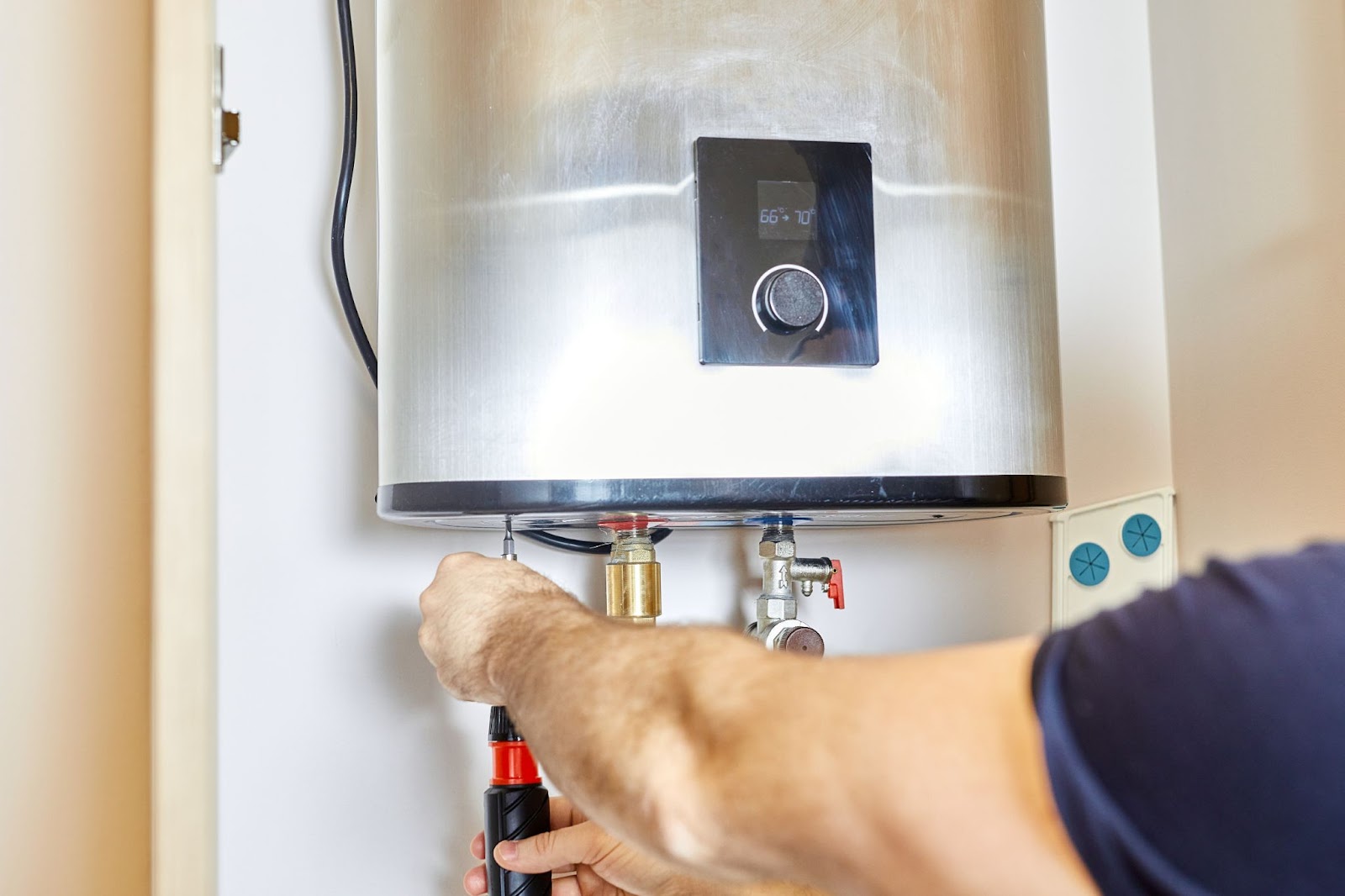
The regional angle: efficiency standards
In many regions, new energy regulations are making traditional gas tanks less viable. High-efficiency mandates mean that a water heater upgrade is no longer a mere luxury — it’s becoming a requirement for code compliance.
Whether you are dealing with the hard water of the Southwest or the freezing ground temperatures of the North, a professional tankless water heater installation ensures your home meets modern environmental standards while providing superior comfort.
Trust Salisbury Plumbing for your hot water solutions
Choosing between a traditional tank and a high-efficiency Navien tankless water heater is a big decision, but you don’t have to make it alone. At Salisbury Plumbing, we help Utah County homeowners navigate their water heater upgrade options with honesty and expertise.
Whether you need a fast, budget-friendly replacement for an old “rust bucket” or a complex tankless water heater installation to provide your family with endless hot water, our licensed professionals are ready to help. We serve Lehi, Orem, Provo, and the surrounding areas with:
- Free, no-obligation estimates: We provide clear, upfront pricing, so you never face “sticker shock.”
- Expert local knowledge: As a locally owned and operated business, we understand Utah’s unique water conditions and municipal codes.
- Versatile service: From standard gas and electric tanks to advanced condensing tankless systems, we service all makes and models.
- Peace of mind: We stand behind our work with guaranteed craftsmanship and a commitment to respecting your home.
Stop settling for lukewarm showers! Contact Salisbury Plumbing today to schedule your free estimate. Let us help you find the perfect water heating solution for your home and budget.