
Installing radiant floor heating is one of the most effective ways to bring comfort, efficiency, and luxury into your home. Understanding what affects the total cost is important before you begin.
Heated floors will transform any room, but the price varies widely depending on the type of system chosen, the space’s size, the flooring material, and the complexity of the installation.
For many homeowners, the investment pays off through better energy efficiency, consistent warmth, and long-term reliability. Still, knowing what goes into the cost beforehand helps you plan your budget, compare options, and make informed decisions that align with your goals.
In this guide, we’ll break down the key factors that influence heated floor pricing. Whether you’re updating a single room or planning whole-home underfloor heating, this checklist will help you move forward with clarity and confidence.
The types of radiant heating system
Electric
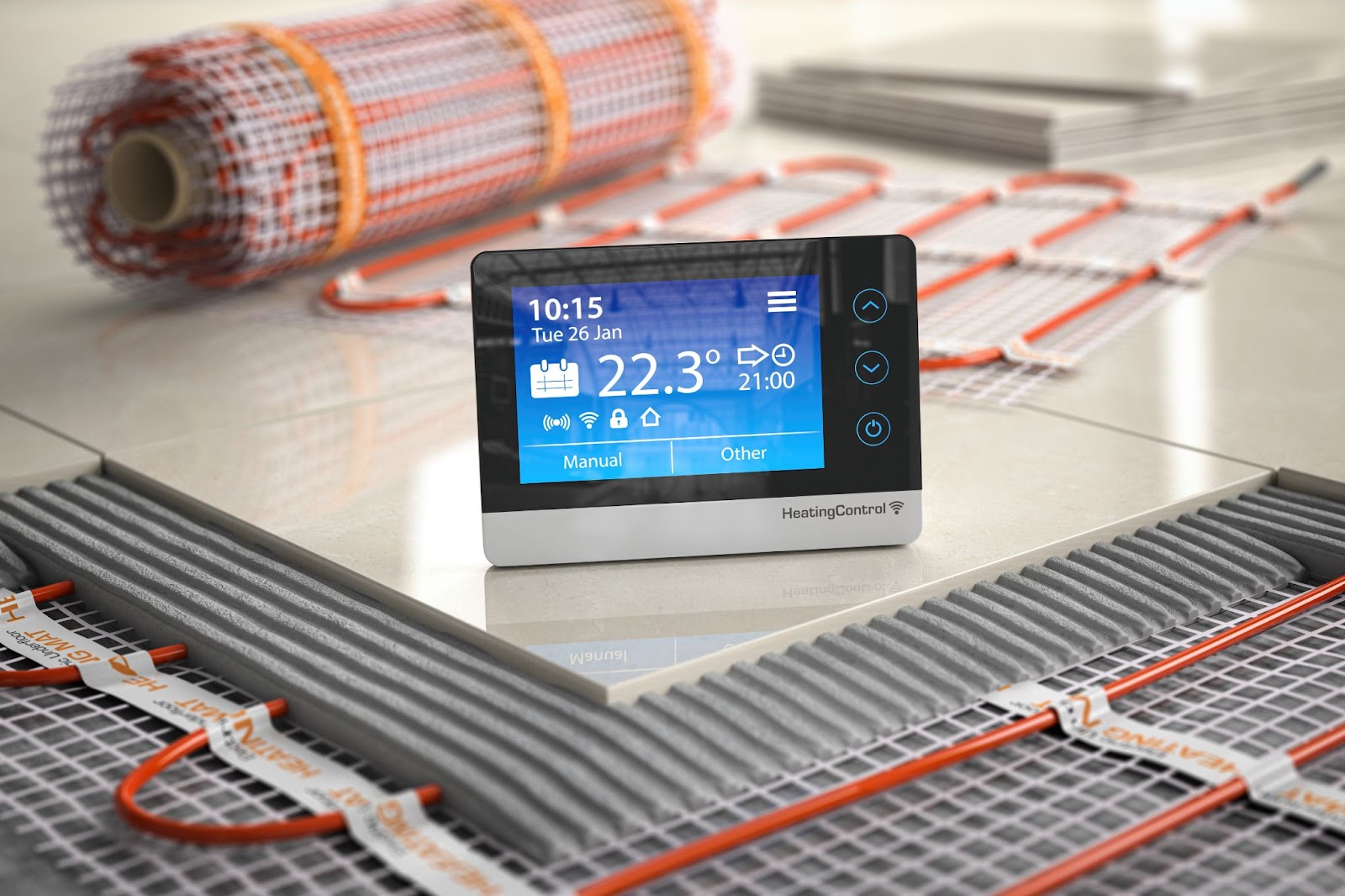
An electric system uses heating cables or mats installed beneath the flooring. When powered, these elements generate consistent warmth that radiates upward through the floor surface.
Electric systems work well for bathrooms, kitchens, or basements because they’re easier and faster to install. They’re also an excellent choice for remodels where running new water lines isn’t practical.
Because electric heating uses electricity as its power source, the initial installation cost is typically lower than hydronic systems, but operating costs can be higher in larger spaces. The upside is minimal maintenance and near-instant warmth when turned on, making electric radiant floors perfect for targeted comfort zones.
Hydronic
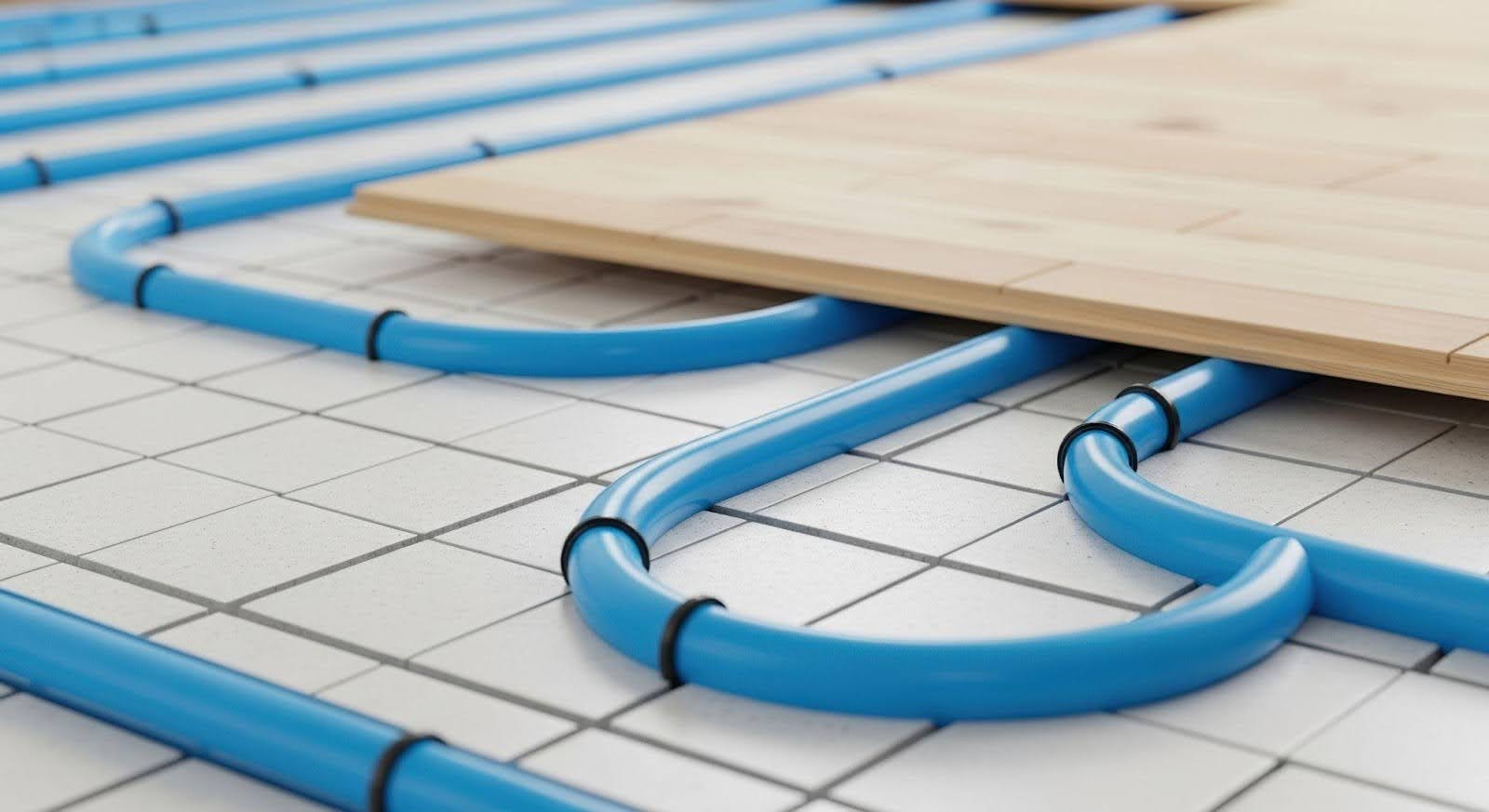
A hydronic system relies on heated water flowing through durable PEX tubing, which goes beneath the floor. A boiler or water heater warms the water and circulates it evenly throughout the space. Hydronic systems are generally more energy-efficient for larger areas or whole-home installations because water retains heat better than air.
Although hydronic heating systems cost more to install upfront, they offer long-term savings in energy efficiency and operating costs. They’re often integrated into new builds or major renovations where homeowners want steady, comfortable warmth across large spaces.
Regardless of the option you choose, proper design and professional installation will ensure you achieve optimal performance, comfort, and long-term reliability.
Size and layout of the installation area
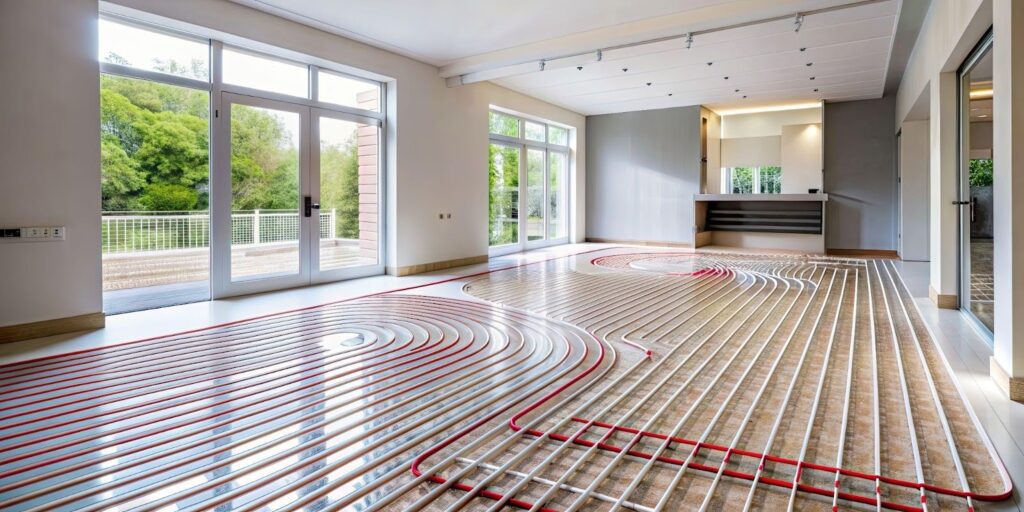
The size and layout of your space influence the total cost of heating. Larger rooms require more materials, longer installation time, and higher energy output to deliver consistent warmth.
For example, heating a spacious living room or basement costs more than installing a small underfloor heating system in a bathroom or entryway.
Room shape and layout also affect pricing. Complex floor plans with alcoves, built-in cabinetry, or multiple fixtures — like kitchens and bathrooms — require more precision to install properly. Every curve and corner of the floor must be accounted for to ensure even heat distribution.
Uneven heating or skipped sections will reduce comfort and efficiency, which is why professional design and installation matter.
In multi-room or whole-home installations, costs increase slightly because each area typically needs its own thermostat and control zone. These zones enable you to adjust temperatures individually, which helps reduce energy consumption and enhances comfort. While adding more zones increases the upfront price, it often results in lower utility bills and a longer system lifespan.
Whether you’re planning a single-room upgrade or a full-home installation, having an expert design the layout ensures your system performs efficiently and evenly.
Flooring material and surface preparation
The type of flooring you choose has a major impact on the overall cost and performance. Different materials transfer heat at different rates, which means some floors naturally work better with systems than others.
For example, tile and stone conduct heat extremely well. They warm up quickly and hold onto heat longer, making them some of the most efficient choices.
Other materials — such as laminate, engineered wood, vinyl, and carpet — still work with radiant systems but often require extra preparation. These materials may need thermal underlayment, added insulation, or specific installation guidelines to prevent heat loss and protect the flooring itself. The extra prep improves performance but adds to the total installation cost.
Surface preparation is another important factor. Before installing radiant floor heating, the existing surface has to be clean, level, and structurally sound. Uneven subfloors might create cold spots and require the system to work harder, thereby reducing efficiency.
In some cases, installers may need to add moisture barriers or insulation layers to protect the system and prevent heat from escaping upward through the floor. Proper preparation protects your flooring and the long-term performance of your radiant floor systems.
Labor and professional installation
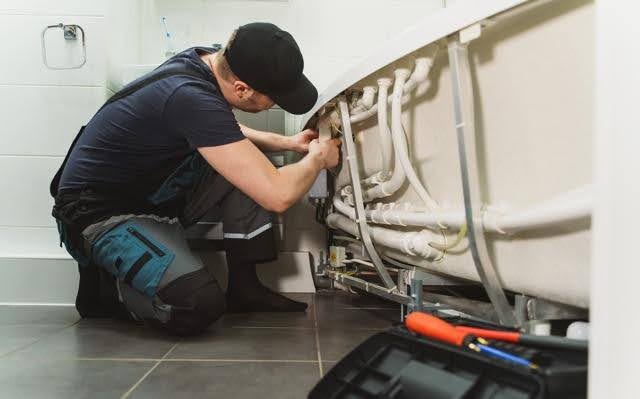
Labor plays a major role in the total cost of radiant floor heating, and for good reason. Installing these systems requires expertise, precision, and careful planning to ensure the heat spreads evenly and safely throughout the space.
A system installed incorrectly may lead to uneven temperatures, higher energy use, or even damage to your flooring materials.
Professional installation also ensures proper connection for all electrical or hydronic components. For electric underfloor heating, this includes safe wiring, correct thermostat placement, and proper embedding of heating cables or mats.
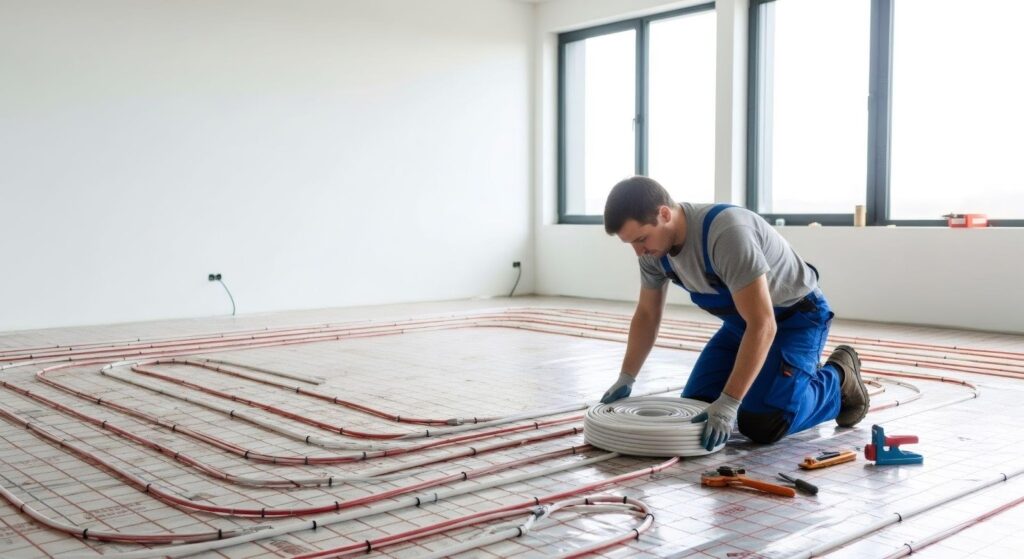
Hydronic systems require even more technical skill. Installers must lay tubing correctly, balance water flow, and connect the system to a compatible boiler or water heater. Any mistake during these steps may reduce efficiency or lead to long-term issues that come with a significant price tag.
Energy source and efficiency
The energy source you choose plays a major role in upfront and long-term costs. Electric systems rely on electricity to warm the heating cables or mats that go beneath your flooring. These systems are easy to install and work well for small areas. However, if you plan to heat large spaces, electricity may cost more to operate over time.
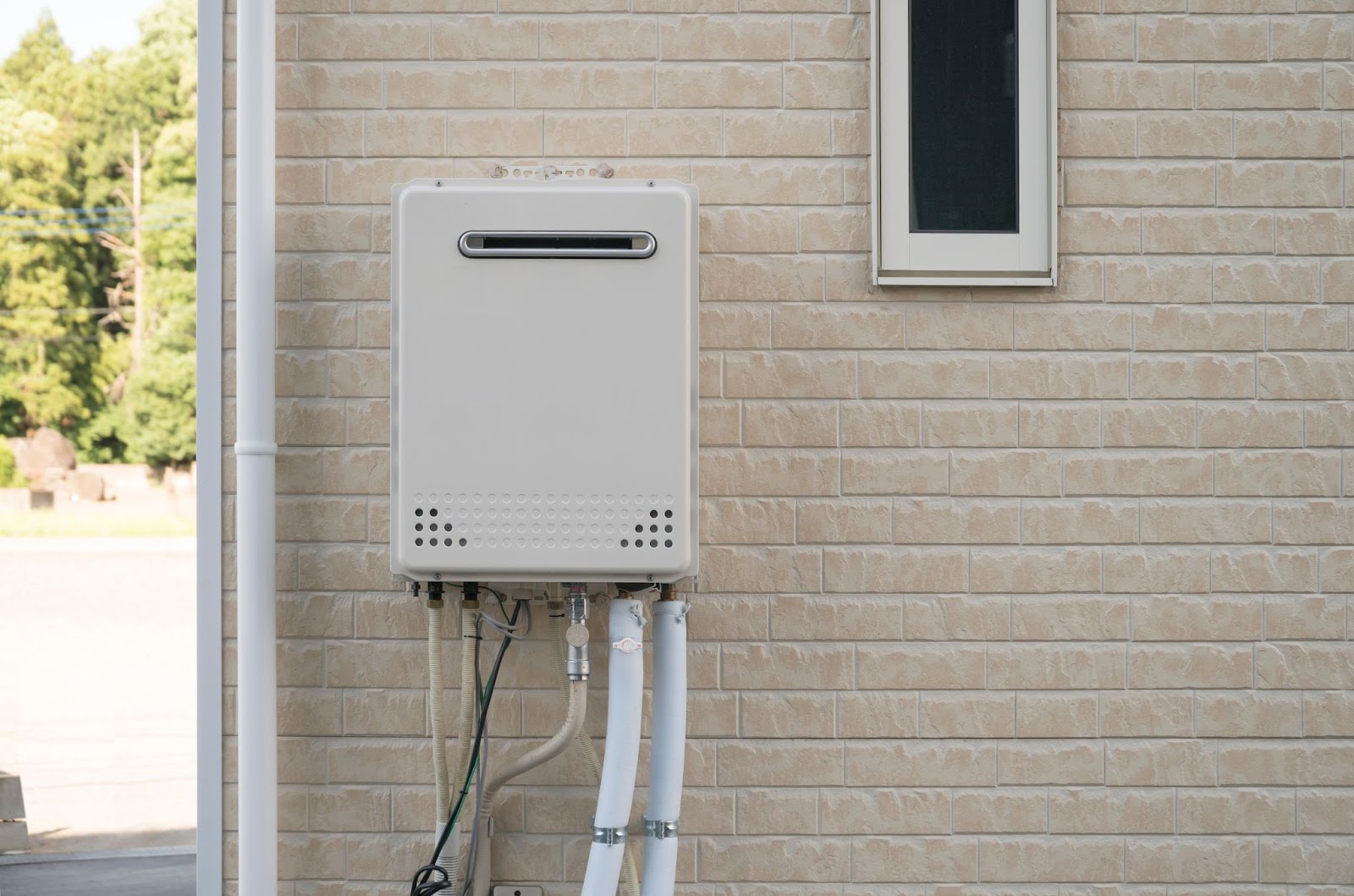
Hydronic underfloor heating systems use warm water pumped through tubing beneath the floor. Either a boiler, a dedicated water heater, or another source, such as solar or geothermal systems, heats the water.
While hydronic systems typically cost more to install, they are usually more energy-efficient for whole-home heating or larger rooms, and they offer lower operating costs in the long run.
Efficiency also depends on the system design. Insulation, smart thermostats, and zoning controls help reduce heat loss and lower monthly energy consumption.
When radiant floor systems include these upgrades, homeowners often see significant savings because the heat distributes evenly, lasts longer, and requires less power to maintain comfortable temperatures.
Additional features and customization
When planning radiant floor heating, you’ll also want to consider the optional features and upgrades that influence comfort and total project cost. Modern systems offer a wide range of customization options, allowing you to tailor your heating experience to your lifestyle and energy goals.
Programmable or smart thermostat
One popular upgrade is a programmable or smart thermostat. These controls enable you to schedule temperature changes throughout the day, warming your floors only when needed. Smart controls also learn your habits over time, helping to reduce energy use and making your system even more efficient.
Zoning
Zoning is another valuable feature. Larger homes or multi-room projects often benefit from creating separate heating zones, each with its own thermostat. This customization allows you to heat only the areas you use most — such as the bathroom in the morning or the living room in the evening — while keeping unused rooms cooler to conserve energy.
Extra options
Additionally, some homeowners opt for enhanced insulation layers, moisture barriers, or higher-end floor sensors to achieve improved performance and longevity. While these upgrades increase upfront costs, they often lead to better efficiency and more consistent warmth across your system.
With the right combination of features, your setup becomes more comfortable, efficient, and easier to manage.
Bring lasting comfort to your home with Salisbury Plumbing
When you’re ready to upgrade your home with reliable, comfortable radiant floor heating, the right team ensures your system performs efficiently for years to come. Salisbury Plumbing designs and installs high-quality radiant floor systems and underfloor heating solutions for your space, budget, and energy goals.
Our experts handle everything, so you get even, dependable warmth without the guesswork. Whether you’re heating a single room or transforming your entire home, we deliver workmanship you can trust and comfort you’ll feel every day.
Contact Salisbury Plumbing today to schedule your consultation and get started on a radiant heating system that lasts.