A successful water softener installation completely transforms the way your home uses water, improving everything from your plumbing system to your daily comfort.
Hard water is a common issue in many households, and its effects show up in cloudy dishes, stiff laundry, dry skin, and mineral buildup throughout your pipes and appliances. Installing a softener is one of the most effective ways to remove these minerals and protect your home in the long term — but only with proper setup.
This checklist will guide you through every essential step. Let’s dive in.
Confirm your home has hard water
Before you proceed with water softener installation, you’ll want to make sure that hard water is indeed the issue. Many homes deal with mineral-heavy water without realizing it, and the signs often appear gradually.
The most common signs of hard water include spots on glasses and dishes, stiff or dull laundry, dry skin, and buildup on faucets and showerheads. You may also notice a decrease in water pressure over time, which occurs when minerals accumulate inside your pipes.
These clues often indicate that installing a soft water system will make a noticeable difference in your water quality.
To confirm hardness levels, use a simple at-home test kit, hardness test strips, or schedule a professional water test. Knowing your exact hardness level matters because it determines the size and type of system you need before installing a water softener.
Choose the right type of water softener
Choosing the right system is one of the most important steps before water softener installation. Not all softeners work the same way, and your home’s water hardness level, plumbing layout, and daily water use will determine which option delivers the best results.
Taking the time to understand your choices helps ensure you’re installing a water softener that fits your needs, rather than settling for a system that falls short.

Salt-based ion exchange softeners
This is the most common and most effective option for full mineral removal. A salt-based system utilizes resin beads to exchange hard minerals for sodium or potassium, providing true soft water.
For homeowners with high hardness levels, installing a soft water system like this prevents buildup in pipes, protects appliances, and improves the water feel throughout the home.
Salt-free conditioners
Salt-free systems don’t remove minerals; instead, they change the minerals’ structure so they can’t cling to surfaces. These systems reduce scale buildup but won’t create the silky feel of traditional soft water.
They’re a smart option for homeowners who want lighter maintenance or prefer to avoid salt, but they may not fully replace the need for installing a water softener if your water is extremely hard.
Dual-tank softeners
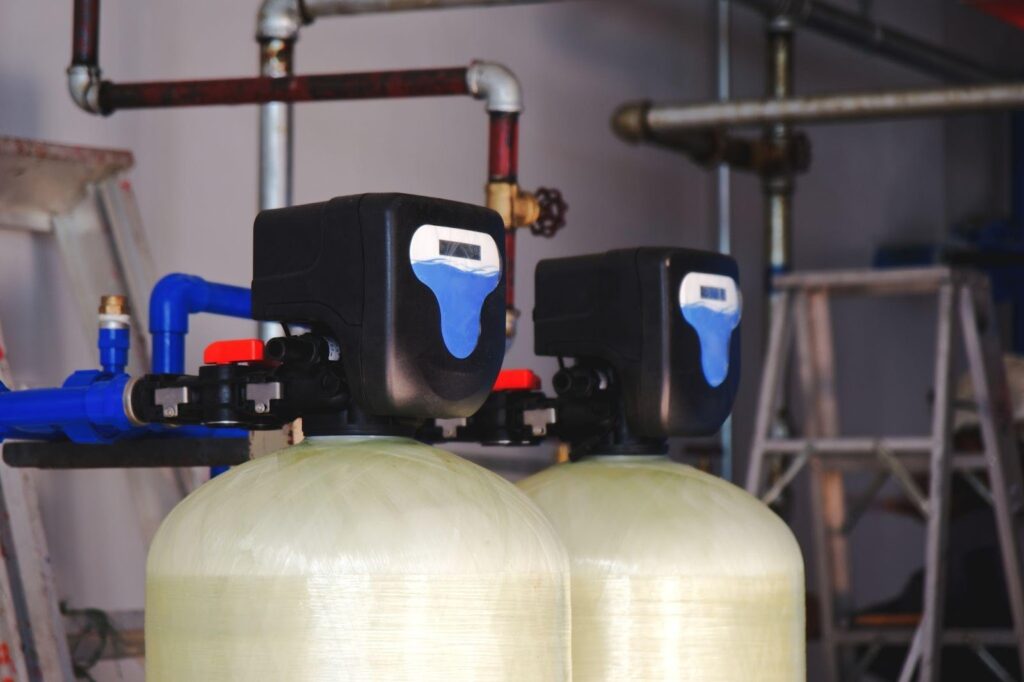
If your household uses a large amount of water each day, a dual-tank system provides continuous soft water by regenerating one tank while the other continues to run. This choice is ideal for big families or homes with multiple bathrooms where demand stays high. It’s one of the best options when installing a soft water system for long-term, high-volume use.
Identify where you should install it
It’s important to select the right location for your water softener installation for optimal performance, easy maintenance, and long-term reliability. Before installing a water softener, take time to evaluate where the system will function best within your home’s plumbing layout.
In most homes, the ideal location is near the point where the main water line enters the house — typically in a basement, garage, utility room, or mechanical closet. This ensures the entire home receives treated water once the system is running.
The area you choose should have access to a drain, a nearby electrical outlet, and enough space for the softener and brine tank.
It’s also important to place the softener before the water heater. Doing so protects the heater from mineral buildup, increases efficiency, and extends the lifespan of your appliance. A level surface, proper ventilation, and clear access for adding salt or performing maintenance are also key considerations.
Taking the time to identify the right location ensures that your water softener installation goes smoothly and performs efficiently from the start. A professional plumber can help you choose the safest and most convenient setup while ensuring your home meets all the necessary plumbing requirements for installing a water softener.
Evaluate plumbing and electrical readiness
Before scheduling your water softener installation, ensure that your home’s plumbing and electrical systems are ready for the upgrade. Many homeowners overlook this step, but proper preparation prevents delays, unexpected repairs, and incorrect setup when installing a water softener.
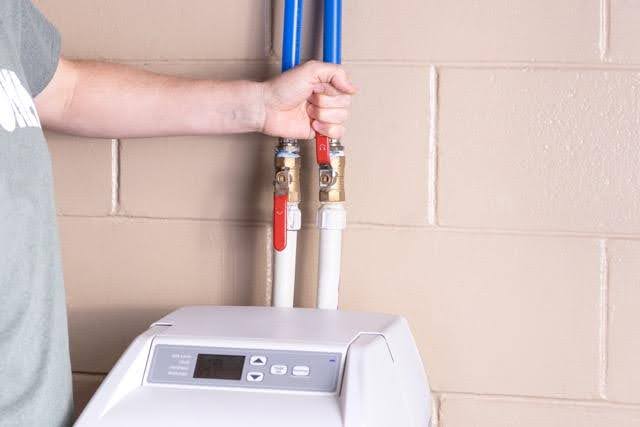
Start by checking the condition of your existing plumbing. The main water line should be accessible, in good shape, and equipped with functional shut-off valves. Older homes may need pipe updates or additional fittings before installing a soft water system. We also recommend a bypass valve, as it allows you to isolate the softener for maintenance without shutting off water to the entire house.
Electrical readiness matters as well. Most water softeners require a standard grounded outlet nearby to power the control valve and regeneration system. If your chosen installation area doesn’t have one, an electrician may need to install a dedicated outlet before proceeding with the water softener installation.
Water pressure evaluation matters, too. Excessively high or low pressure can impact how well the system functions or regenerates, so a pressure test helps ensure everything runs smoothly once your softener is in place.
Gather tools and materials in advance
Before you begin your water softener installation, it is helpful to have all the necessary tools and materials ready. Whether you’re installing a water softener yourself or preparing for a professional visit, having everything in place ensures the process runs smoothly and without delays.
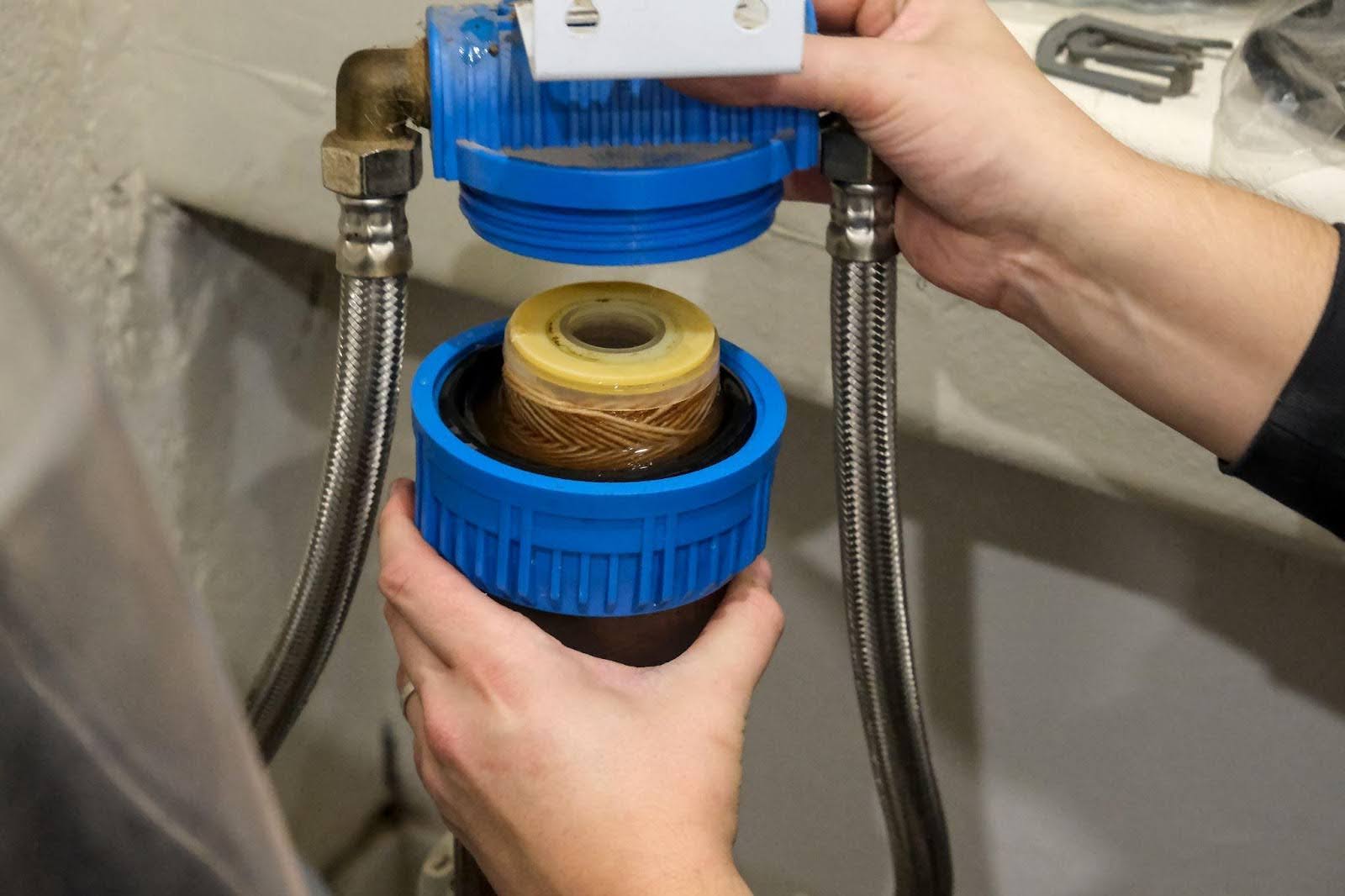
Most water system installation projects require fittings and connectors that match your plumbing, as well as flexible tubing for the drain line and overflow. You’ll also need basic tools, such as wrenches, a tubing cutter, Teflon tape, and possibly a drill, for mounting the unit securely. If your home has sediment-heavy water, adding a pre-filter may also be a smart addition to protect your new system.
Don’t forget the softener salt. Stocking up ahead of time ensures your system is ready to regenerate immediately after water softener installation. Keeping the installation area clear and well-lit also helps your plumber work efficiently and avoid unnecessary complications.
Let Salisbury Plumbing handle your water softener installation
A reliable water softener installation does more than improve your water quality. It protects your plumbing, appliances, and overall comfort for years to come.
When you choose Salisbury Plumbing, you get a team of skilled professionals who understand every step of installing a water softener, from selecting the right system to ensuring perfect setup and long-term performance.
Our plumbers evaluate your home’s layout, test your water hardness levels, and ensure your plumbing and electrical systems are ready for the upgrade. Every detail matters when installing a soft water system, and our team completes each project with precision, safety, and efficiency.
We also walk you through system settings, maintenance tips, and what to expect so you feel confident using your new softener from day one.
Don’t risk poor performance or plumbing issues with an inexperienced installation. Trust Salisbury Plumbing for a seamless and dependable water softener installation that provides your home with the clean, soft water it deserves. Contact us today to schedule your appointment and get started.