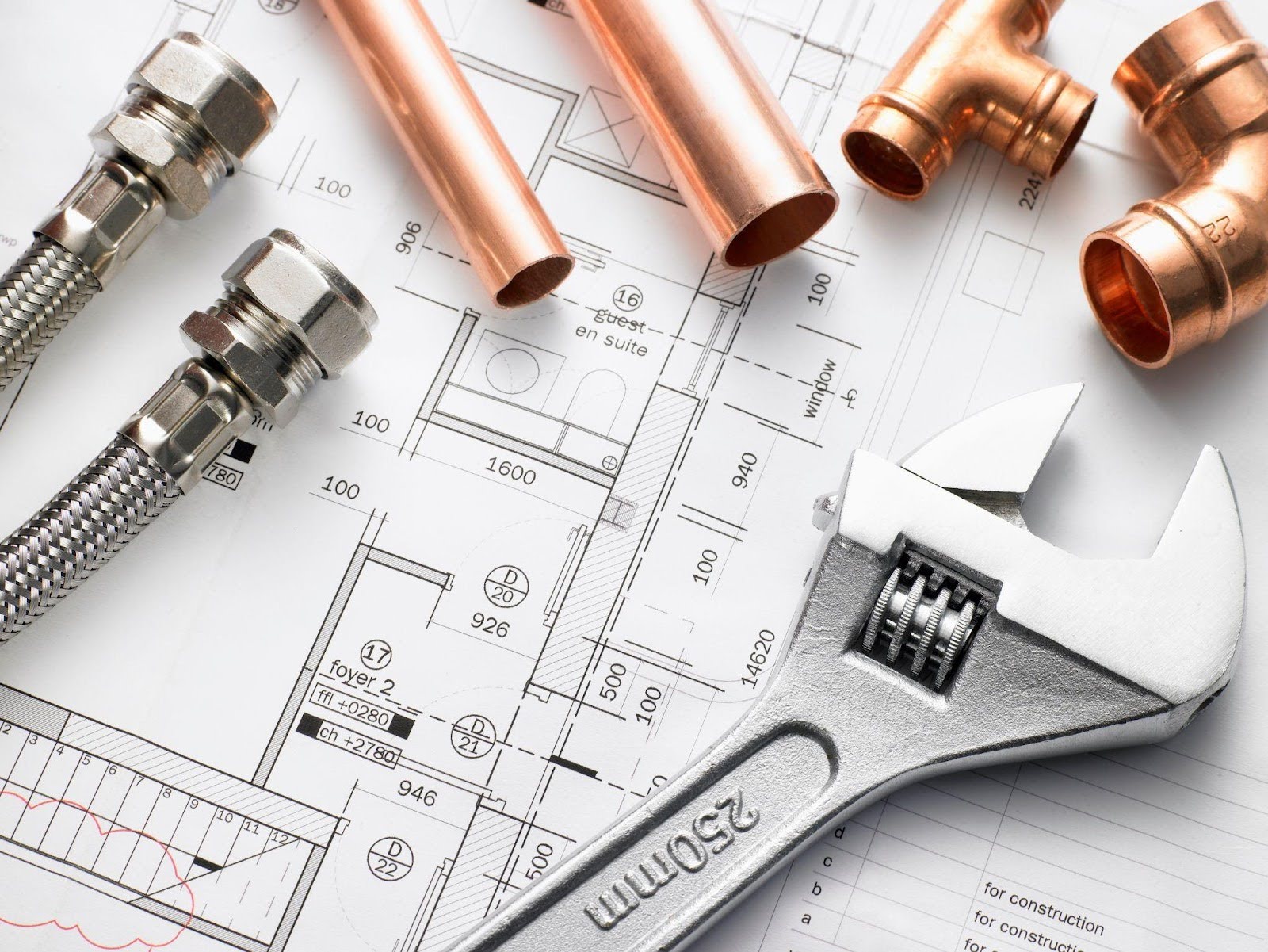
The cost of custom plumbing depends on scope, access, permits, and how far supply, drain, and vent lines must move. In residential plumbing remodels, pricing often changes when walls open, and crews discover outdated materials, limited access, or code-driven updates. Plan ahead, define a detailed scope, and budget for contingencies on larger plumbing projects.
Why simple changes get expensive fast
Custom upgrades transform a home, but plumbing is one area where costs shift quickly if the plan isn’t clear. Relocating a shower, adding a second sink, finishing a basement bath, or moving a kitchen sink involves dealing with supply lines, drain slope, venting, and code requirements, often in tight spaces behind walls and under floors.
In this guide, you’ll learn what drives the price of custom plumbing, how to budget for residential plumbing changes, and how to avoid the most common surprises during larger plumbing projects.
What “custom” means in plumbing
“Custom” usually means you’re changing the existing layout, not only replacing a part. A like-for-like swap with the same fixture in the same location is often simpler. Once you move water lines, drains, or vents, the job becomes custom plumbing, and the cost depends heavily on what’s behind the walls.
The biggest cost drivers typically come down to:
- Labor complexity: Routing new lines, maintaining proper drain slope, and tying into venting correctly.
- Access and demolition: Tile removal, drywall cuts, slab work, crawlspace access, or working around finished ceilings.
- Materials and fixture selections: Valve and trim choices, pipe material, shutoff valves, and the size and fit needs for the fixtures you pick.
- Permits and inspections: Some residential plumbing work requires permits, and inspections add time and scheduling constraints.
- Coordination with other trades: Tile, framing, electrical, and drywall schedules affect the plumbing timeline.
Custom work is priced by scope, including the time it takes to access, install, test, and restore the space.
Step-by-step: How to estimate project costs
If you want fewer surprises, treat pricing like a process.
1. Define the exact scope
Decide whether you’re replacing, relocating, or adding fixtures. Moving a drain line is a different project from replacing a faucet.
2. Map what’s already there
Find where your main supply enters, locate the shutoffs, and identify the nearest drain and vent connections. The further you move from the existing plumbing “hub,” the more labor the job usually requires.
3. Identify access points
Can the plumber work from an unfinished basement, or will they need to open tile and drywall? Access is a major factor in budgeting plumbing projects.
4. Choose materials and fixtures early
Fixture details matter. If you choose them late, the crew may need to move water lines or adjust valve placement, which can add time and cost.
5. Clarify permit requirements
Your contractor can advise on what’s needed locally, but it’s still a good idea to confirm early. Permit timing affects scheduling.
6. Sequence work with other trades
Plumbing work usually comes before tile and finish work. If the schedule gets out of order, you can end up with delays and extra labor.
7. Get a detailed written estimate
Ask the plumber what the job includes, what they’re expecting (e.g., easy access and permits), and what problems could arise later that might raise the cost.
8. Add a contingency
Custom jobs have unknowns: old fittings, past DIY work, corrosion, or hidden damage. A contingency helps you make smart decisions without panic.
9. Confirm testing and sign-off
Make sure the quote includes pressure testing, leak checks, and verification before walls close.
Benefits of planning costs early
When you plan early, you save money and buy predictability — and that’s what keeps a project on track once walls open and schedules get tight.
- Fewer change orders once demolition starts: A clear scope upfront reduces last-minute layout changes and surprise add-ons.
- Better material choices that match the budget: You select fixtures, valves, and pipe materials intentionally instead of grabbing whatever’s available mid-project.
- Cleaner coordination with other trades: When you schedule plumbing work at the right time, it aligns better with framing, electrical, drywall, and tile, helping you avoid delays.
- Lower risk of rework after inspections: When you plan for permits and code requirements early, you avoid costly fixes after an inspection flags an issue.
- More predictable timelines for plumbing projects: Defined scope, confirmed access, and ordered materials keep the schedule realistic and easier to manage.
- Better decisions about what to upgrade now versus later: You prioritize smart upgrades while walls are open — and postpone non-essentials without sacrificing performance or safety.
Common mistakes that raise costs
Most budget blowouts come from preventable planning issues.
- Starting demo before confirming drain and vent feasibility
- Choosing fixtures without checking requirements
- Underestimating access costs
- Skipping permits or assuming inspections won’t matter
- Hiring based on price alone instead of scope clarity
- Changing the plan midstream (moving fixtures late adds labor and materials)
- Ignoring “small” upgrades that are easier while walls are open (e.g., shutoffs, PRV, aging valves)
If you want custom plumbing to stay on budget, treat scope changes like new work — because that’s what they are.
Data and statistics
A few numbers help explain why planning and prevention matter in remodel budgets.
- EPA WaterSense notes that the average household’s leaks waste more than 9,300 gallons of water per year, and nine percent of homes have leaks that waste 50 gallons or more per day.
- Custom remodels often reveal small leaks or worn shutoffs once walls are opened, which is why a contingency budget is practical.
These stats don’t “set” a project price, but they support a simple idea: small plumbing issues add up, and proactive planning helps you control the total cost of residential plumbing work.
Tools and product choices that affect budgets
Project cost often comes down to what you choose and the effort required to install it correctly.
- Fixture tiers: Valves, trim kits, toilets, tubs, and faucets vary widely by brand and spec.
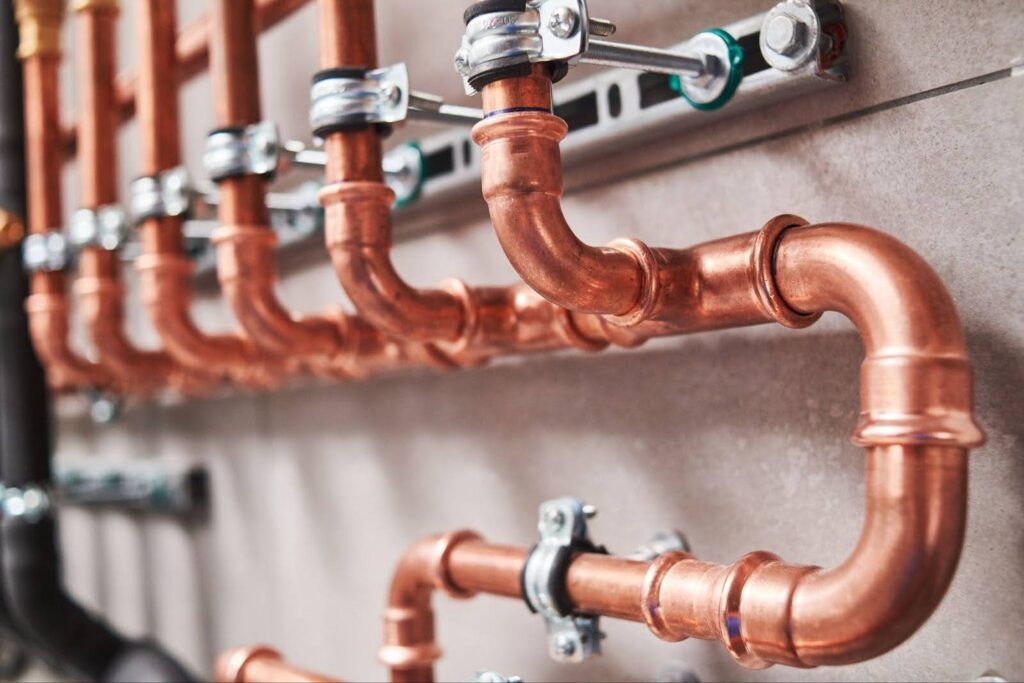
- Pipe material and fittings: PEX and copper have different labor and material profiles.
- Shutoffs, PRVs, and expansion control: Upgrading these while walls are open helps prevent future service calls.
- Water treatment add-ons: Filtration or softening may make sense depending on water conditions and appliance protection goals.
- Access solutions: Adding access panels (when appropriate) reduces future labor compared with repeated drywall cuts.
- Leak detection: Smart leak sensors reduce damage risk and support early detection.
When homeowners budget plumbing projects, it helps to separate “must-haves” like code, proper venting, and safe connections from “choices” like fixture brands, premium finishes, and add-ons.
FAQ
Why does custom plumbing cost more than a standard replacement?
Standard replacements usually keep the fixture in the same location. Custom work often involves moving supplies, drains, or vents, which increases labor and access requirements. Permits, inspections, demolition, and restoration also add time and complexity, even when the fixtures themselves aren’t expensive.
How can I reduce the cost of residential plumbing in a remodel?
Keep the layout as close to the original as possible, choose fixtures early, and plan access before demolition. Ask the plumber to spell out the plan and timeline, and make sure the plumbing work happens before tile and finish work. When the steps stay in the right order, you avoid redoing work and delays that drive up labor costs.
Do permits affect the cost of plumbing projects?
Yes. Permit fees and inspections add administrative steps and scheduling requirements. In many cases, permits also require specific installation methods or upgrades to meet current code. Planning for permits early helps you avoid delays and unexpected scope changes mid-project.
What should a custom plumbing estimate include?
A solid estimate lists the exact scope, materials included, assumptions about access and demolition, permit responsibility, testing requirements, and what could change the price. Clear exclusions matter, too, so you don’t discover “not included” items after work begins.
How much contingency should I budget?
A contingency helps cover unknowns like hidden leaks, outdated fittings, or access challenges behind tile and drywall. Many homeowners set aside a percentage of the project budget for these surprises. Your plumber recommends a realistic cushion based on your home’s layout and age.
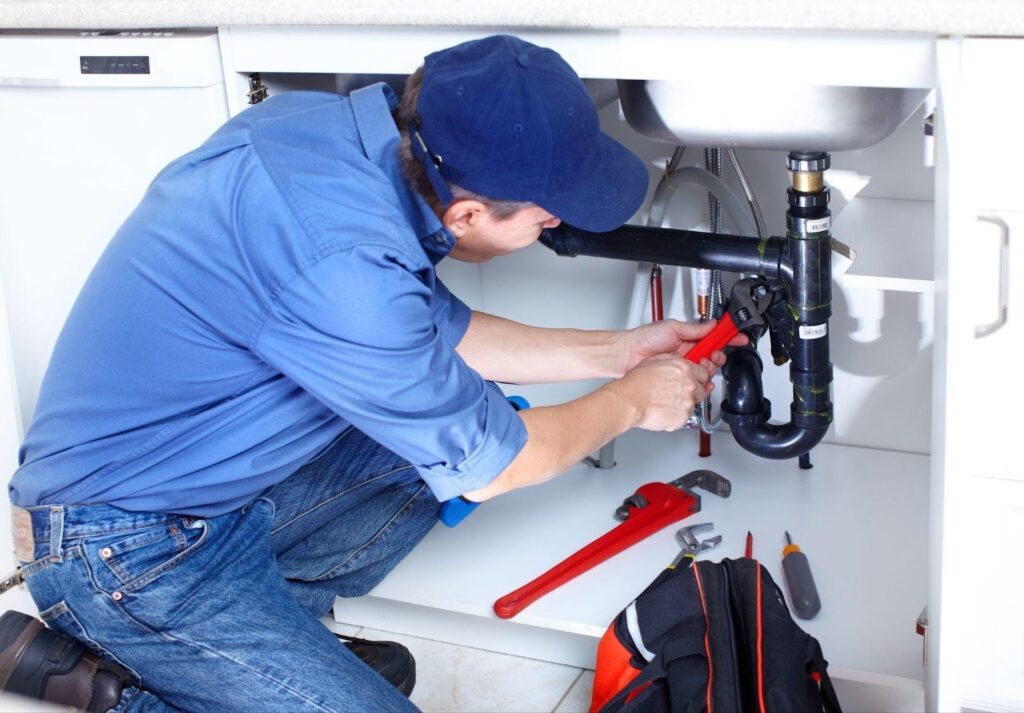
Plan your custom plumbing project with Salisbury Plumbing
Custom upgrades don’t have to feel like a financial guessing game. When you decide what you want early, make sure the plumber can reach the work area, pick your fixtures ahead of time, and set aside a little extra for surprises. The price stays clearer, and the job goes smoothly.
If you’re planning custom plumbing for a remodel or addition, Salisbury Plumbing will evaluate your home, explain the options, and provide a detailed estimate for residential plumbing changes and larger plumbing projects.
Contact Salisbury Plumbing to schedule a walkthrough and get a plan you can budget with confidence.