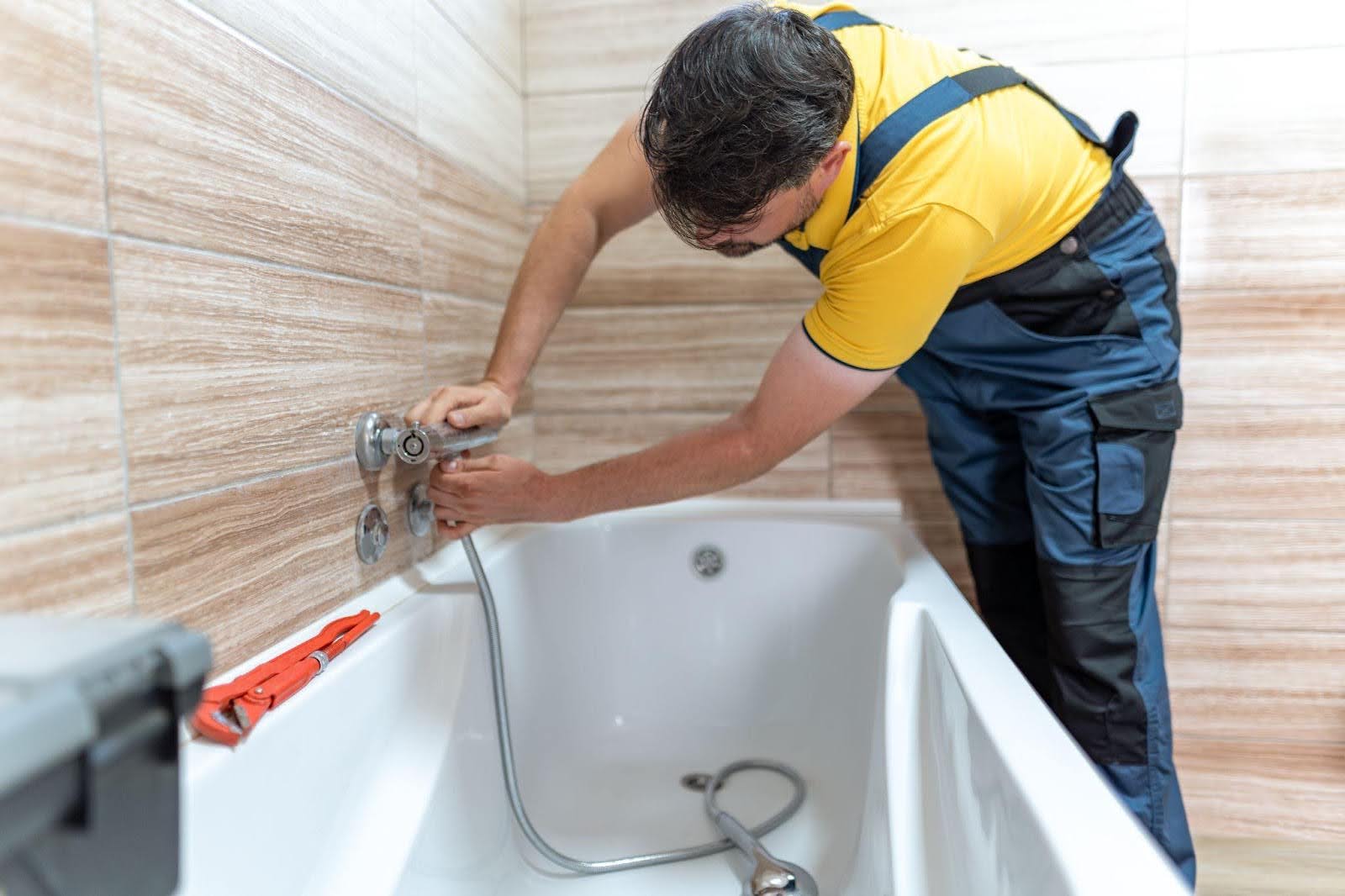
Shower and tub issues look simple, but hidden leaks, code requirements, and the wrong materials turn a small problem into major water damage. Hiring a professional helps you avoid repeat leaks, wasted time, and costly mistakes. For tub repair, shower repair, or fixing a cracked tub, a trained plumber diagnoses the cause and repairs it correctly.
DIY bathroom fixes go sideways fast
Have you ever tried repairing a shower leak on your own? Maybe you’ve started a bathtub project, thinking it would be quick. Even people who consider themselves handy find that plumbing repairs are best left to professionals, because things go south in a hurry. One small mistake costs more time and money than you expected when you started.
In this guide, we’ll explain what goes wrong, why training and tools matter, and how pros handle these jobs safely. If you’re dealing with tub repair, shower repair, or fixing a cracked tub, this will help you avoid the most expensive surprises.
what makes shower and tub repair tricky
Bathroom plumbing problems rarely make the cause obvious. Water near the tub starts behind a wall, and a slow shower drain points to a deeper blockage. That’s why DIY can be risky, especially when it comes to shower repair.
Before you start, consider three things:
- Plumbing codes: If you miss code requirements, you face fines or redo the work.
- Proper pipes and parts: One wrong material or size creates new leaks or failures.
- Expertise: Pros know how to find the true source and use specialized tools to fix it right.
If you try to save money by doing a DIY tub repair, you may end up paying more to fix the damage later.
How pros handle tub and shower problems
Professionals make the work look “easy” by following a disciplined process. Here’s how a plumber typically approaches shower repair and tub issues, step by step:
1. Confirm the real problem
Pros start by identifying the source, not the symptom. A drip at the tub edge could come from the drain, overflow, valve, supply lines, or a waterproofing failure.
2. Shut off the water the right way
A professional confirms shutoffs work and isolates the correct line so the repair doesn’t turn into a water-damage emergency.
3. Inspect for hidden damage
Leaks don’t always show immediately. Pros look for soft subfloors, damp drywall, stained framing, and other signs that the problem has been active longer than it looks.
4. Select the right materials and parts
The right fitting, seal, and connection method matters. This is where DIY projects often fail: the wrong part “almost” fits, only to fail later.
5. Repair, then test under real conditions
A pro doesn’t merely tighten a connection and walk away. They run water, check pressure, confirm drainage, and verify no seepage returns under normal use.
6. Finish with prevention in mind
That might mean resealing correctly, recommending a maintenance adjustment, or addressing a contributing factor, such as pressure issues.
When you hire help for tub repair, you’re not paying for the wrench. You’re paying for the diagnosis, the correct materials, and the testing that prevents repeat problems.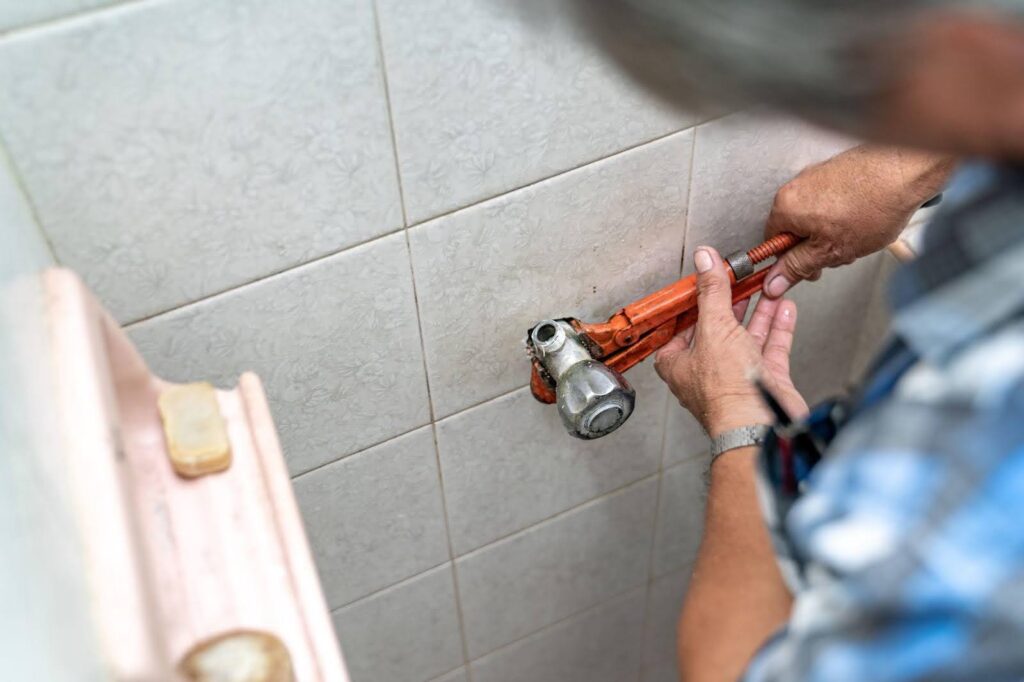
Benefits of hiring a professional
Hiring a plumber is convenient, but it’s also about avoiding the problems that follow rushed or incomplete repairs.
- You reduce the risk of hidden water damage behind walls and under floors.
- You avoid code violations and rework.
- You get the right parts the first time, not a “close enough” fix.
- You stop repeating leaks that keep coming back.
- You save time by avoiding trial-and-error repairs.
- A professional tests the repair under real-use conditions.
Whether you need shower repair for a leak you can’t track down or tub repair that involves plumbing connections, professional work helps protect your home and budget.
Common mistakes to avoid
If you still want to DIY, avoid these common pitfalls:
- Starting repairs before you confirm the real cause
- Choosing the wrong pipe material, fitting size, or sealant
- Forgetting to shut off the water properly
- Using harsh chemical drain cleaners as a “solution”
- Sealing over leaks instead of repairing them
- Treating fixing a cracked tub like a cosmetic patch when it may be structural
- Waiting too long after you spot a leak or soft flooring
If you still want to DIY, do this first
- Make sure you understand the problem before you start
- Have the right tools and components ready
- Turn off the main water supply to avoid water damage
- Expect it to get messy, and dress accordingly
- Keep a professional’s number handy, because you never know when a project will prove to be beyond your expertise
Data, statistics, and research insights
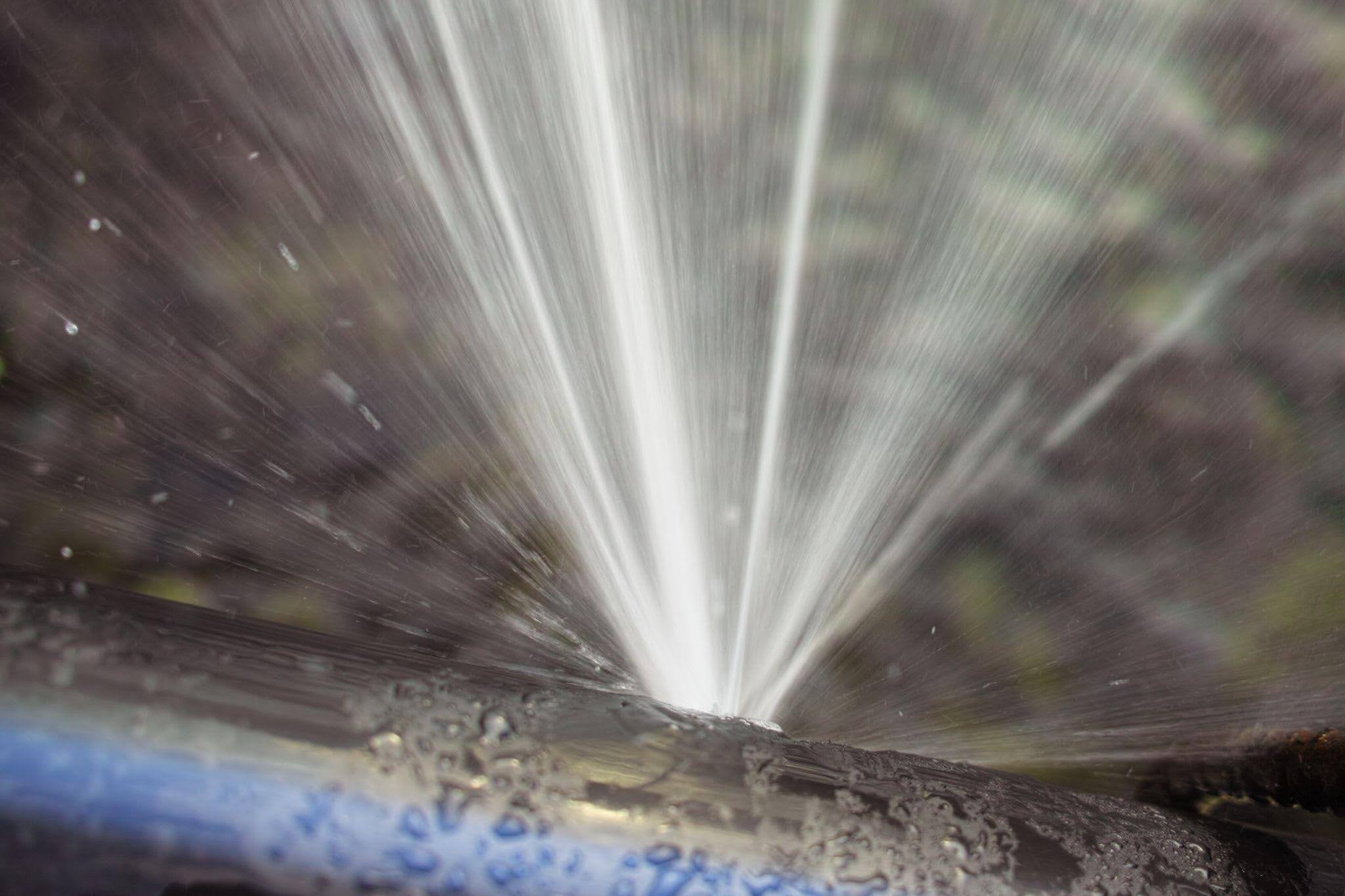
Bathroom water damage often starts small: a slow drip behind a wall, a loose fitting under the tub, or seepage around a drain. The longer moisture stays hidden, the more likely it is to affect drywall, subflooring, and framing.
Repeated symptoms usually mean you haven’t fixed the real issue. Professional diagnosis helps you solve the problem once, instead of paying for the same repair twice.
Tools, products, and techniques pros use
One big difference between DIY and professional work is the ability to verify what’s happening out of sight.
Pros may use:
- Moisture meters to detect damp materials
- Inspection cameras to check tight spaces
- Pressure testing to confirm leak-free connections
- Professional drain-clearing tools instead of harsh chemicals
- Correct fittings and materials matched to the home’s plumbing type
- Repair methods that hold up under daily use, especially for tub repair
And when it comes to fixing a cracked tub, pros know when a repair kit makes sense and when it’s only masking a deeper issue.
FAQ
When should I call a pro for shower repair?
Call a professional if the leak keeps returning, water shows up outside the shower, or you suspect the valve, drain, or supply lines. If you see staining, soft drywall, or musty smells, treat it as urgent, because hidden moisture spreads quickly.
Can fixing a cracked tub last, or should I replace it?
It depends on the crack’s location and size, as well as whether the tub flexes under weight. Repair surface cracks, but replace tubs with cracks that spread, flex, or allow water to seep underneath, because those often cause recurring leaks and damage.
Why does my tub keep clogging even after I clear it?
Recurring clogs mean buildup deeper in the line, a partial blockage that never fully clears, or a venting issue that affects drainage. If plunging and basic cleaning don’t resolve the issue, a professional can properly clear the line and confirm the cause.
Can DIY tub repair cause more damage?
Yes. Using the wrong parts, over-tightening connections, or sealing over a leak creates hidden water damage that spreads behind walls and under floors. DIY also makes it easy to miss code requirements, which leads to rework later.
Ready for a lasting fix? Contact Salisbury Plumbing today
Shower and tub problems look like quick fixes, but plumbing codes, correct materials, and hidden leaks change the stakes. If you’re dealing with recurring issues, skip the trial-and-error approach and get the problem diagnosed correctly.
Contact Salisbury Plumbing today for expert shower repair and tub repair backed by the right tools, the right parts, and thorough testing. We’ll also help with fixing a cracked tub when a repair makes sense — and guide you to a better long-term option when it doesn’t.