
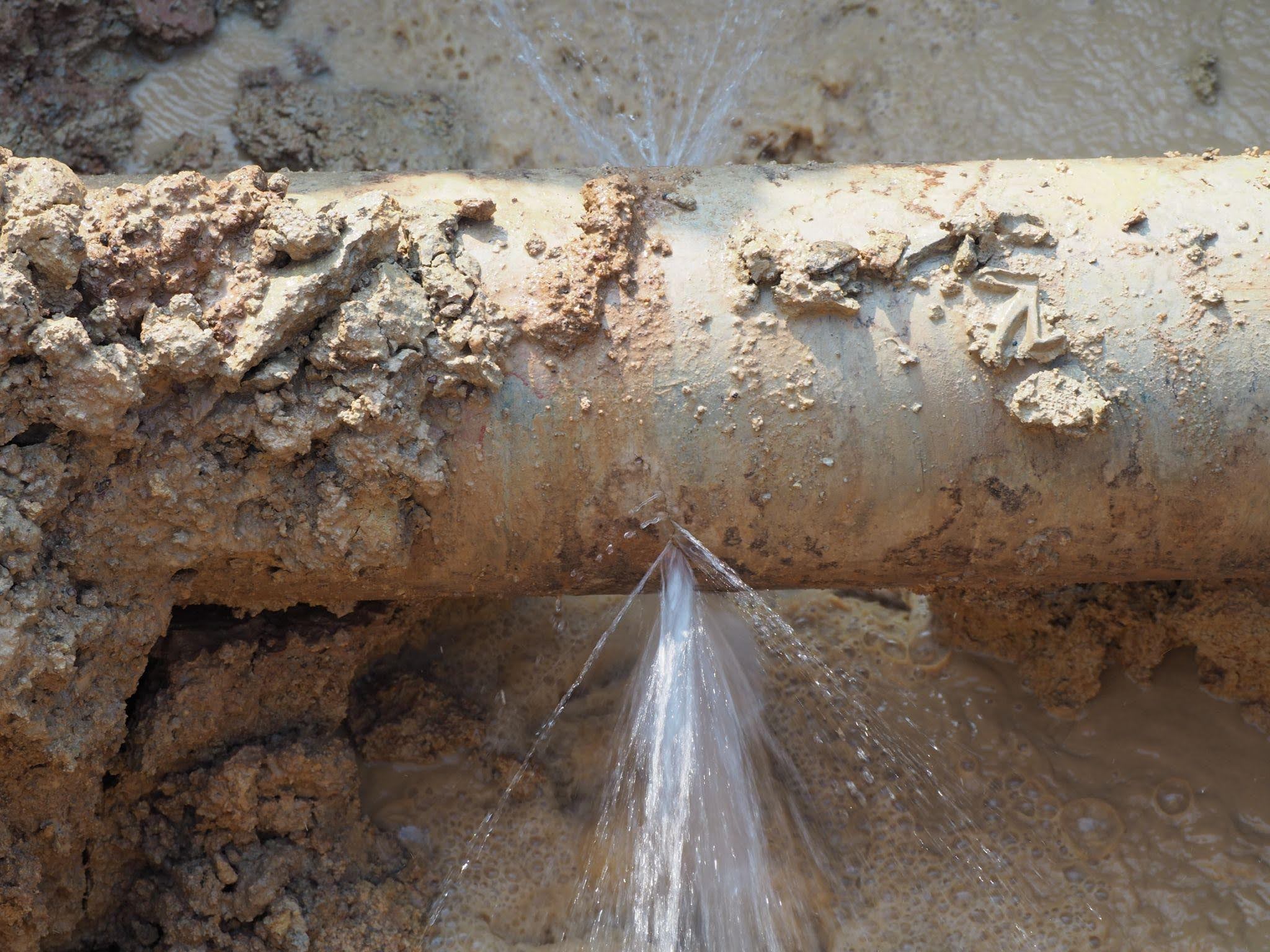
A water main repair usually involves finding the problem, shutting off water if needed, accessing the damaged section, completing the repair, testing the line, and restoring the area. In some cases, water main leak detection shows that a full water main replacement is the better long-term option.
What homeowners should know before a water main repair
A water main problem can disrupt your routine fast. You may notice low water pressure, soggy spots in the yard, discolored water, or a water bill that seems higher than normal. When that happens, most homeowners want to know what is happening underground and what the repair process will entail.
The good news is that the process usually becomes more straightforward once a plumber properly diagnoses the problem. In most cases, the job starts with water main leak detection, followed by a clear plan for repair, testing, and cleanup.
In this guide, we’ll explain what happens during a typical water main repair, when a plumber may recommend water main replacement, and how you can prepare for the work.
What a water main repair involves
Your main water line brings water from the public supply into your home. When it is damaged, you may notice low pressure, wet areas in the yard, or changes in water quality.
Plumbers usually perform a water main repair when they can fix one section of the line without replacing the entire pipe. The process often starts with water main leak detection to identify the source of the problem and determine whether a repair or water main replacement is more cost-effective.
What to expect during the repair process
1. Initial inspection
A plumber usually starts by asking about symptoms like low pressure, wet spots in the yard, discolored water, or a higher water bill. They may also check visible areas around where the line enters the home.
2. Water main leak detection
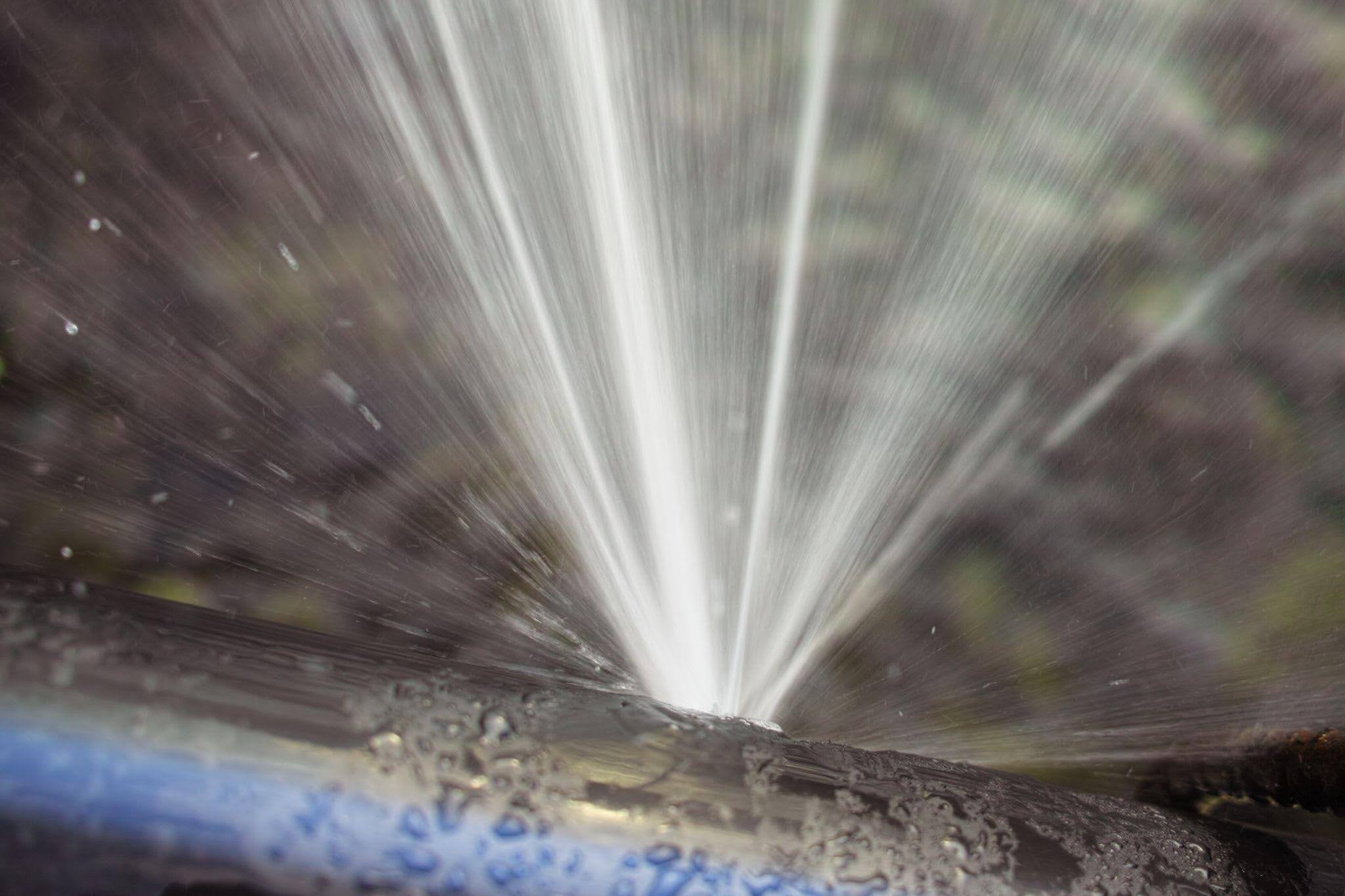
The next step is water main leak detection. This may involve pressure testing, visual inspection, listening to equipment, or using locating tools to find where the line is leaking. Accurate detection helps make repairs more targeted and reduces unnecessary digging.
3. Locating the damaged section
Once the plumber narrows down the issue, they identify the damaged section and evaluate the condition of the surrounding pipe. A plumber can repair the damaged section of the water main if the damage affects only one area. If the line shows broader wear, water main replacement may be the better option.
4. Shutting off water and preparing the site
Before work begins, the plumber may need to temporarily shut off the water. The crew marks out the area and prepares for access, which may involve a yard, driveway, or walkway.
5. Excavation and pipe access
Most jobs require exposing the line. The size of the excavation depends on the pipe depth, soil conditions, and the location of the damaged section.
6. Completing the repair or replacement
Once the crew exposes the pipe, they repair or replace the damaged section. In some cases, a short repair is enough. In others, water main replacement is the better long-term solution.
7. Testing the line
After completing the work, the plumber tests the line to make sure the repair is secure and that the water service works properly.
8. Backfilling and restoration
Once testing is complete, the crew can backfill the trench and clean up the area. Final restoration of landscaping, concrete, or asphalt may depend on the project’s scope.
Common situations homeowners run into
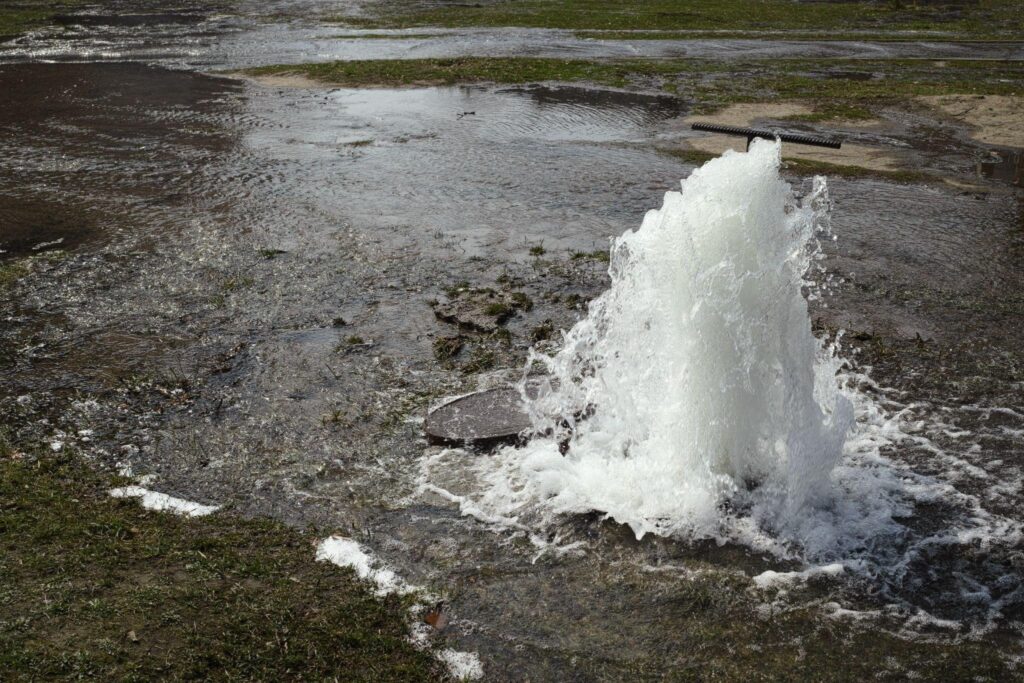
Water main problems show up in different ways, including wet spots in the yard, lower water pressure, or a higher-than-normal water bill. In some cases, a targeted water main repair is enough. In others, older or more damaged lines may need water main replacement. The line’s location also affects how the crew approaches the job and what restoration may be needed afterward.
Benefits of addressing the problem quickly
Dealing with a main line issue sooner helps:
- Restore normal water use faster
- Limit ongoing water loss
- Reduce the chance of added yard or property disruption
- Prevent pressure problems from getting worse
- Make it easier to choose between repair and replacement before the issue spreads
- Give homeowners a clearer plan for cost, timing, and next steps
Common mistakes to avoid
- Waiting too long to call: Small signs like low pressure or wet ground point to a larger underground problem.
- Assuming every leak needs full replacement: Some issues can be handled with a focused water main repair.
- Assuming every line is patched: In older systems, water main replacement may be the better long-term answer.
- Skipping proper diagnosis: Water main leak detection helps reduce guesswork and supports a more accurate repair plan.
- Overlooking access and restoration: The line’s location affects digging, labor, and cleanup costs.
Tools and equipment used on the job
Water main work often involves a mix of detection and repair equipment. Depending on the project, that may include:
- Leak detection tools
- Pressure testing equipment
- Pipe locating equipment
- Excavation tools or compact digging equipment
- Replacement pipe and fittings
- Backfill and compaction tools
FAQ
Who pays for water main repair?
That usually depends on where the plumber finds the problem. In many cases, the homeowner is responsible for the water line serving the house from the property side inward, while the utility is responsible for the public main. Local rules vary, so it’s important to confirm with your water provider.
Who is responsible for the burst water main?
Responsibility often depends on whether the burst affects the public main or the private service line connected to the home. If the problem is on the city side, the utility may handle it. If it is on the line serving the property, the homeowner may be responsible.
What is the 135 rule in plumbing?
The 135 rule usually refers to changes in drainage layout and direction in drain or waste piping. It isn’t typically the main rule homeowners consider when dealing with a water service line issue, but it comes up in broader plumbing discussions.
How much does it cost to repair the main water line to the house?
The cost depends on the location of the leak, pipe depth, access, material, line length, and whether the job calls for repair or full water main replacement. A line under open yard space may be different from one under concrete or landscaping, so pricing varies quite a bit.

Take the next step with Salisbury Plumbing
A water main issue can feel stressful, but the process is usually easier to manage when you know what to expect. From water main leak detection to excavation, repair, testing, and cleanup, plumbers use each step to identify the right fix and restore reliable water service.
If you notice pressure loss, wet spots, or other signs of a buried line problem, contact Salisbury Plumbing to schedule an inspection and determine whether water main repair or replacement is the next step.