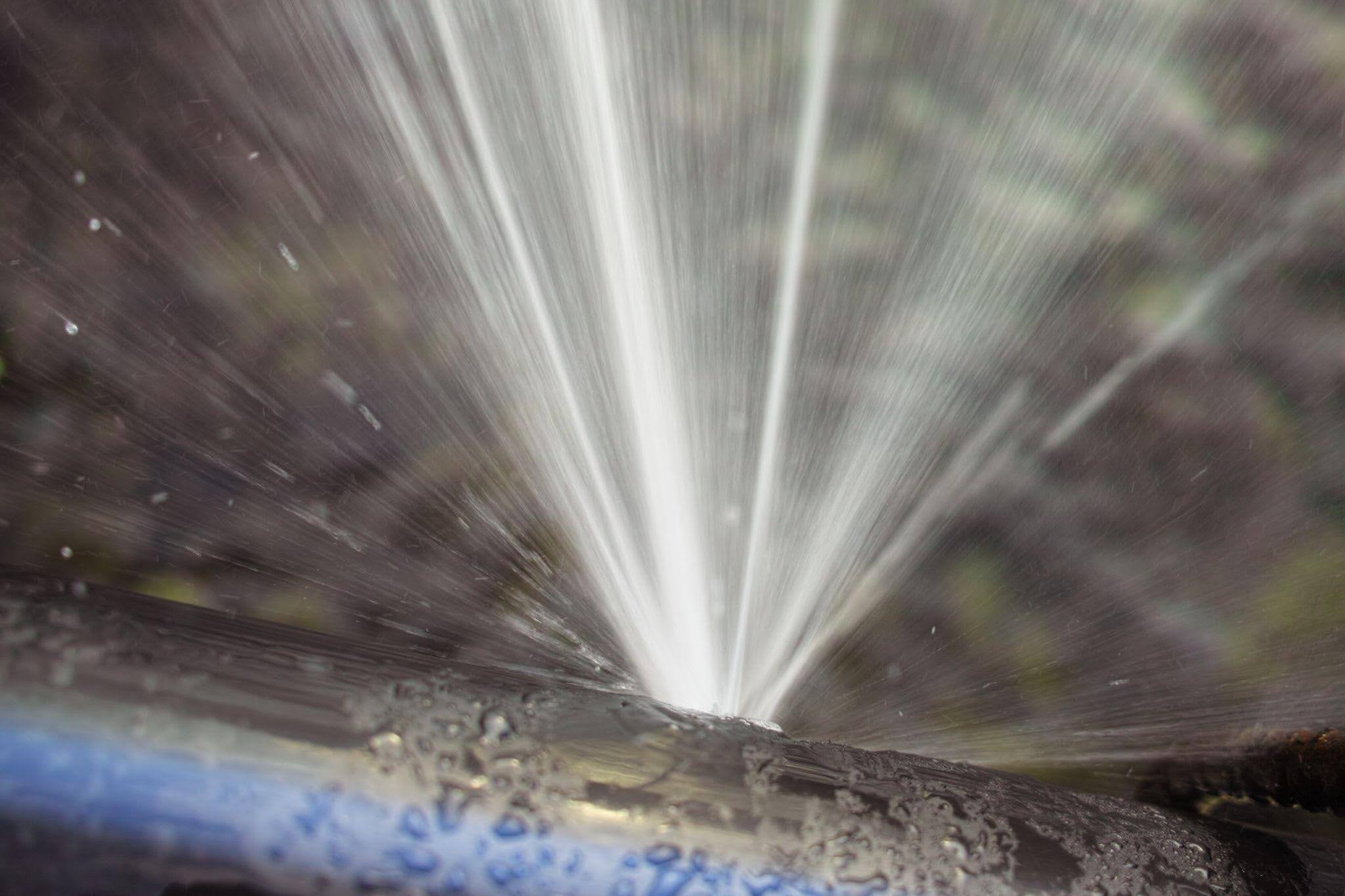

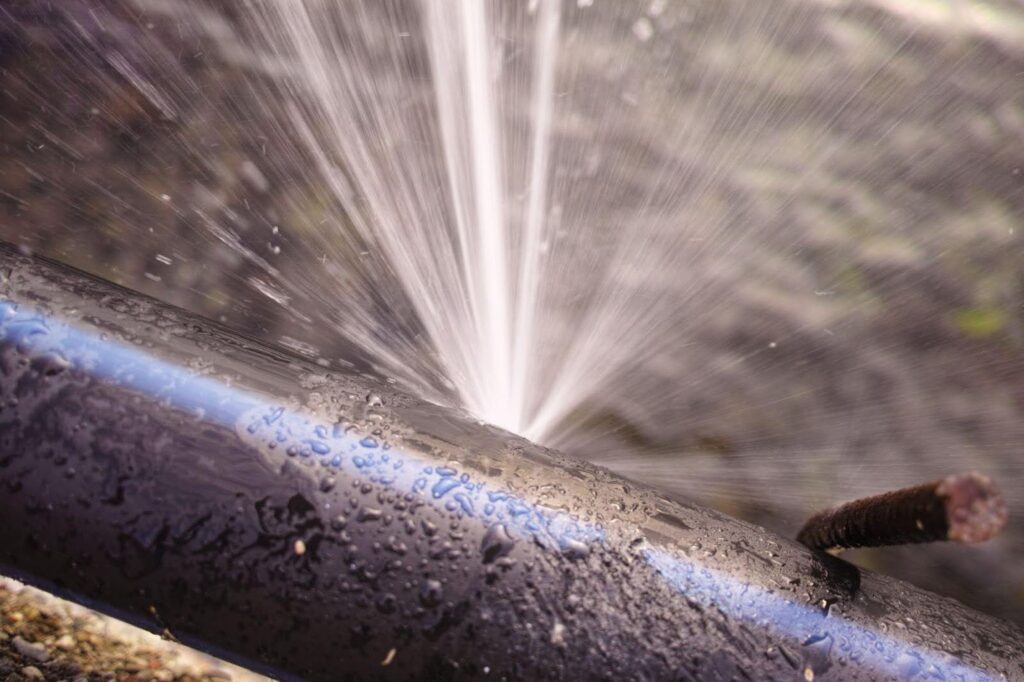
A leaking water main can cause waste water, spike your bill, lower water pressure, and cause serious property damage under your yard, driveway, or foundation. Early water main leak detection helps you catch problems before soil shifts and damage spreads. Once a leak is confirmed, timely water main repair protects your home and prevents bigger, more expensive issues.
When a hidden leak turns into a big problem
Most homeowners don’t think about the line that brings water into the house until something feels off. A sudden increase in bills, soggy spots in the yard, or a drop in water pressure without warning all point to a pipe issue. The challenge is that mainline leaks often stay underground, so damage persists for weeks before you see clear signs.
In this guide, we’ll cover what a main leak does to your home, how to spot early warning signs, and when to schedule water main leak detection and water main repair before a small issue becomes a major headache.
What a water main does and why leaks matter
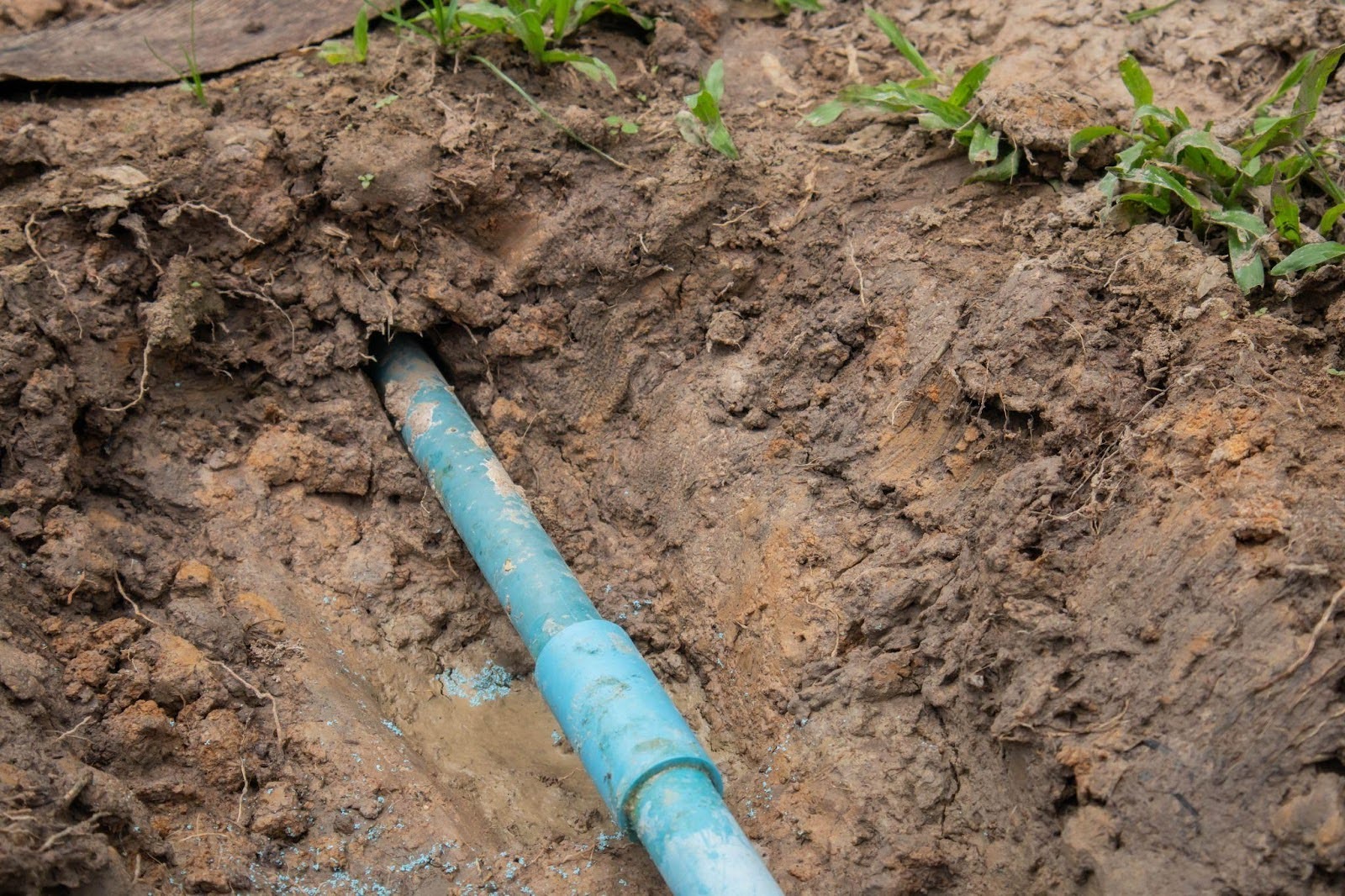
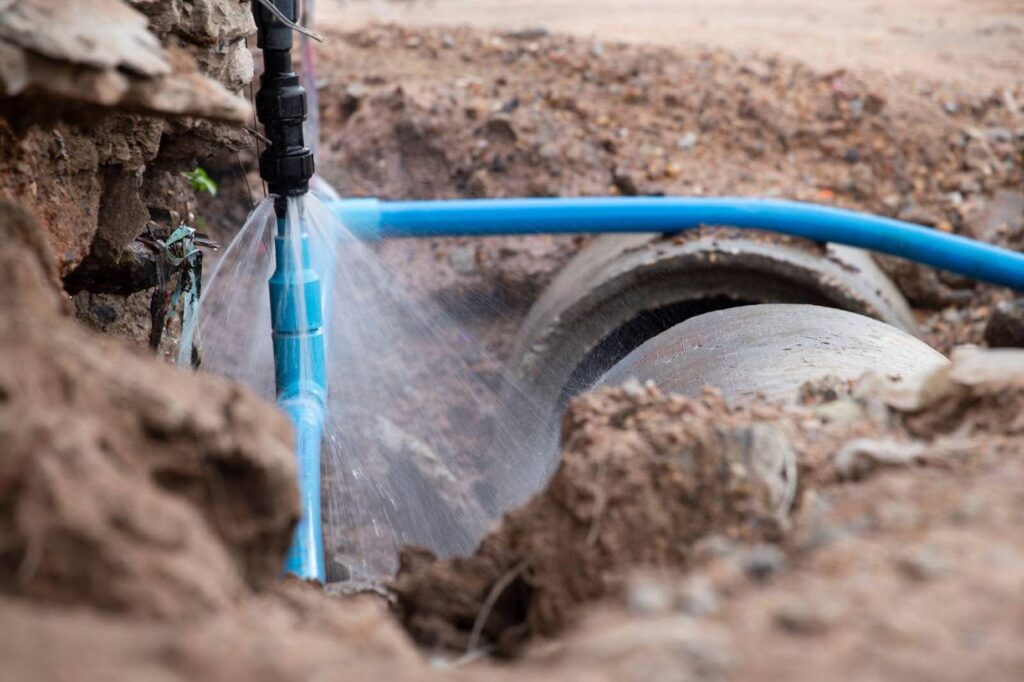
This pipe is the primary supply line that delivers water from the city connection or meter to your home. If a faucet leaks, you usually see it. If the main line leaks, it remains hidden underground, continuously wasting water.
Mainline leaks matter because they affect more than your plumbing:
- Water waste and higher bills: A steady underground leak runs all day without you noticing.
- Soil erosion and shifting: Escaping water washes away soil, creating voids.
- Damage to hardscape: Driveways, sidewalks, patios, and pavers settle or crack when the ground beneath them shifts.
- Foundation risk: In some cases, water migrates toward the home, creating damp areas near the foundation.
Common causes include aging pipe materials, corrosion, shifting soil, freeze–thaw cycles, and weak joints from past repairs. Because leaks are often underground, visible symptoms appear late.
How to spot leaks
You can’t see most main lines, but you can spot clues. Use this checklist when something seems off.
1. Watch your water bill
If your water use hasn’t changed but your bill has jumped, don’t ignore it. A hidden leak is a common cause.
2. Check your water meter
Turn off all water inside the home (dishwasher, laundry, toilets, faucets, and sprinklers). If the meter still moves, you likely have a leak somewhere in the system.
3. Look for yard warning signs
Watch for soggy patches, standing water, muddy spots, or areas that stay unusually green compared to the rest of the lawn.
4. Pay attention to pressure
Sudden low pressure, inconsistent pressure, or air in the line happens when the supply line is compromised.
5. Inspect driveways and walkways
Cracks, sinking sections, shifting pavers, or new uneven spots point to water undermining the soil.
6. Check the perimeter of your home
Look for new damp areas near the foundation, wet spots where they shouldn’t be, or unexplained moisture.
7. Know when to call a pro
If you see multiple symptoms, schedule water main leak detection. It’s the fastest way to get answers without guessing.
Benefits of early water main leak detection
The earlier you pinpoint the issue, the easier it is to control the total cost and damage.
- Prevents soil washout that leads to settling and cracks
- Protects landscaping, sprinkler zones, and hardscapes
- Reduces wasted water and helps keep bills under control
- Lowers the chance of emergency shutoffs or sudden line failure
- Makes water main repair more accurate by locating the leak before digging
- Restores consistent pressure and reliability
Common mistakes to avoid
When it comes to mainline leaks, delay is the more expensive option.
-
- Ignoring a rising bill or assuming it’s a billing error
- Waiting until a sinkhole, driveway crack, or major pressure loss appears
- Assuming every wet yard spot is “only irrigation”
- Ignoring a rising bill or assuming it’s a billing error
- Adjusting pressure at fixtures instead of finding the leak source
- Hiring a repair without confirming the scope, restoration plan, and permit needs
- Putting off water main repair after a leak is confirmed
Data and statistics
Small leaks add up fast, which is why it pays to check early and fix issues before they grow.
- Leaks waste a lot of water every year. EPA WaterSense says the average household’s leaks waste more than 9,300 gallons per year.
- Hidden leaks drive up bills quickly. WaterSense also notes that nine percent of homes have leaks that waste 50 gallons or more per day.
- Minor leaks become major waste nationwide. The EPA reports that U.S. homes waste nearly one trillion gallons of water each year.
Tools and methods used for leak detection
Professional water main leak detection goes beyond “dig and hope.” A plumber typically uses a mix of methods to narrow down the exact location.
- Meter and isolation testing: Confirms whether the leak is on the home side of the meter and helps isolate sections.
- Pressure testing: Checks how well the line holds pressure.
- Acoustic listening equipment: Helps locate the sound of water escaping underground.
- Line tracing and mapping: Identifies the path of the buried line to avoid unnecessary digging.
- Targeted excavation planning: Once the team pinpoints the leak, the crew digs only where needed, completes the water main repair, and restores the area.
FAQ
How do I know if the leak is on the main or inside my house?
Start with the meter test. Turn off all water inside and watch the meter. If it still moves, the leak is somewhere in your system.
Can a main leak cause low pressure?
Yes. A leak reduces the amount of water reaching your home. It causes pressure drops, especially during higher demand, if a rising bill or wet yard areas are present. Schedule water main leak detection when you notice low pressure.
Is water main repair always a full replacement?
Not always. Some situations allow targeted water main repairs if the pipe is otherwise in good condition. If the line is old, brittle, or failing in multiple spots, replacement may be the more reliable option.
What happens if I ignore a leak?
Leaks tend to worsen. You may see higher bills, more yard damage, settling under concrete, and a bigger repair scope. The longer the leak runs, the greater the risk of significant property damage.
How long does leak detection take?
Symptoms and access determine the timeline, but a technician can often narrow down the cause during a single visit. The goal is to confirm the leak, identify the likely location, and recommend the safest repair approach.
Protect your home with Salisbury Plumbing
A leak impacts far more than your water bill. It lowers pressure, wastes water, damages landscaping, cracks concrete, and even affects soil stability near your home.
If you notice warning signs, start with a meter check and don’t wait for visible damage to get worse. Contact Salisbury Plumbing to schedule water main leak detection. We’ll pinpoint the problem, explain your options clearly, and complete repairs with a plan that restores reliability and protects your property.