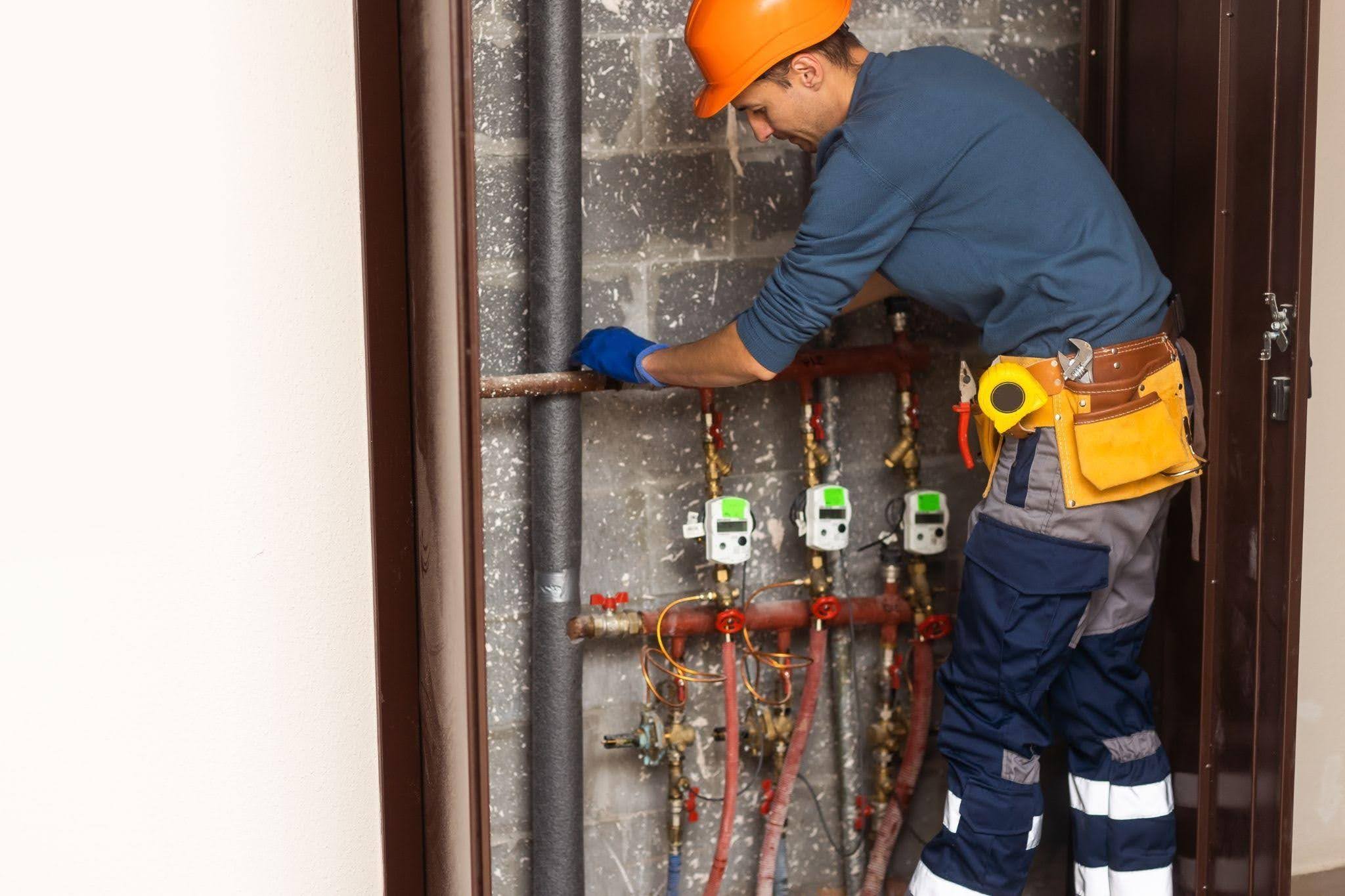
Common commercial plumbing problems often start with clogged drains, leaks, low water pressure, fixture failures, and hot water issues. The best way to prevent them is to catch repeat issues early, stay ahead of routine maintenance, and schedule commercial plumbing repairs before a small problem spreads.
Stay ahead of small plumbing problems before they spread
Commercial plumbing systems handle more daily use, more fixtures, and more people than most residential systems. That changes how problems show up. A slow drain in one restroom or a small leak behind one wall can turn into a larger building issue if no one catches it early.
Prevention starts with catching problems while they are still manageable. A repeat drain issue, a pressure complaint, or a small leak in the same part of the building usually indicates more is at play than a one-time repair.
This guide breaks down common commercial plumbing problems, why they keep happening, and the steps property owners and managers can take to stay ahead of them. Keep reading to learn more.
What makes commercial plumbing problems different
Commercial plumbing systems don’t fail the same way residential ones do. They see more use. They often serve multiple units, shared restrooms, common areas, kitchens, or utility spaces. That means one issue affects more than one tenant, employee, or part of the property at the same time.
It also means the same problem comes back if no one addresses the real cause. A clogged line may appear to be a fixture problem at first. A pressure complaint may seem isolated until the same issue shows up elsewhere in the building.
That’s where prevention and timing matter. If a property team catches the pattern early, the fix is often more manageable. If they wait, the issue may lead to wider disruption, more repair work, or a need for emergency commercial plumbing service.
Common commercial plumbing problems and how to prevent them
1. Clogged drains and recurring backups
Drain problems are one of the most common issues. Heavy use, shared lines, debris, food waste, and buildup all lead to recurring clogs.
The best way to prevent larger backups is to act early. If the same sink, floor drain, or restroom keeps having problems, track where it’s happening and how often. Routine drain maintenance in high-use areas also helps reduce preventable disruptions.
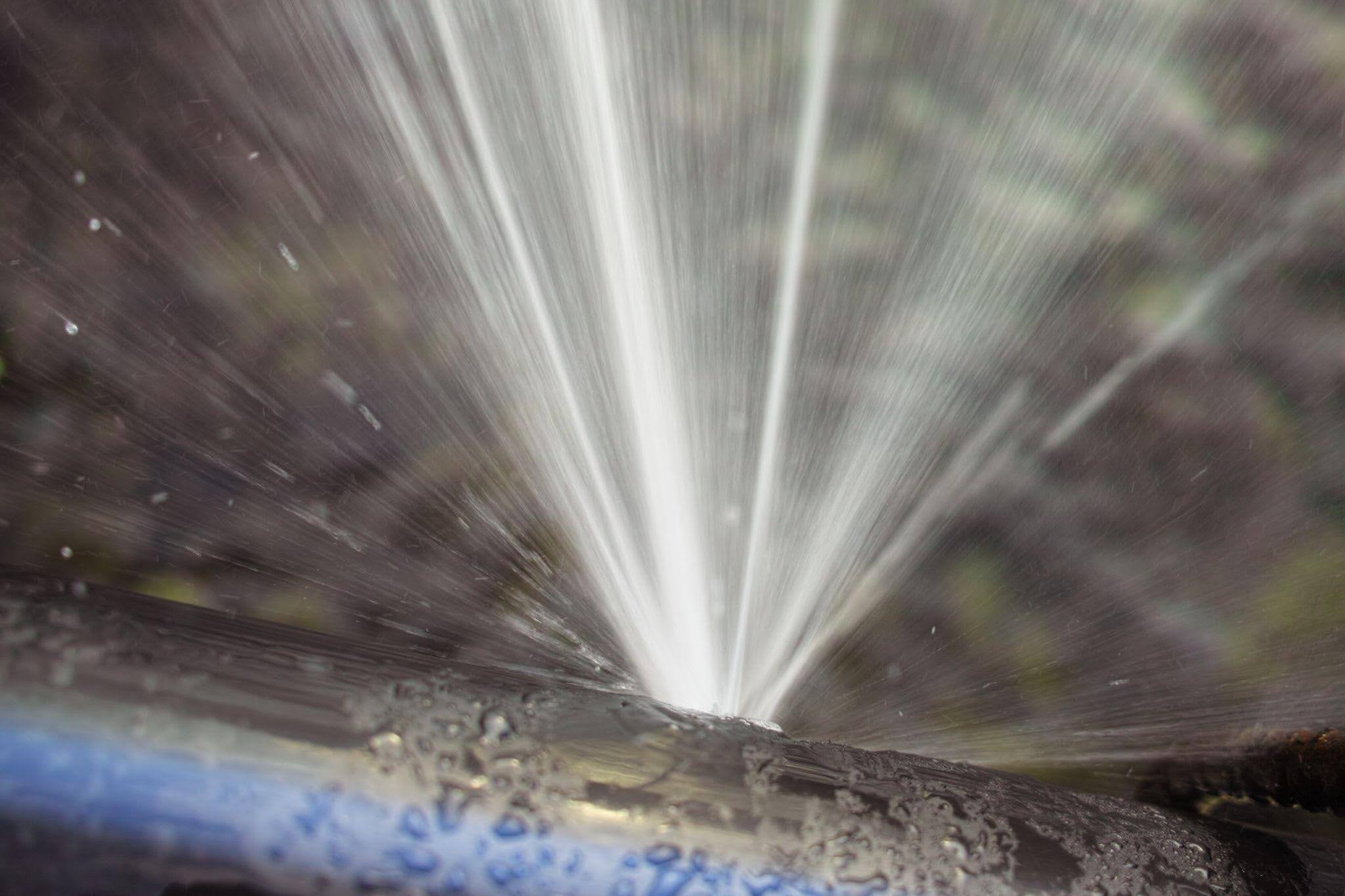
2. Leaks behind walls, under sinks, and around fixtures
Leaks often start small. A drip under a sink or a minor seep around a valve may not look urgent at first, but small leaks spread into walls, ceilings, and nearby spaces before anyone sees the full problem.
Pay attention to stains, soft materials, damp smells, and unexplained water use. Early repair is usually easier than waiting until the leak affects multiple areas.
3. Water pressure problems
Low water pressure affects a single fixture, a single section of the building, or the entire property. The cause may involve buildup, leaks, regulators, or system wear.
Check pressure complaints early. If the same issue keeps occurring in one area or across multiple units, the building may have a larger plumbing issue that needs attention.
4. Fixture wear and repeated restroom problems
Commercial fixtures wear out faster because they get used more often. Toilets, faucets, flush valves, shutoffs, and sinks all take more stress in high-use buildings.
The same fixture problem showing up again and again usually points to a larger maintenance issue. Regular checks and timely replacement of parts help prevent repeat calls.
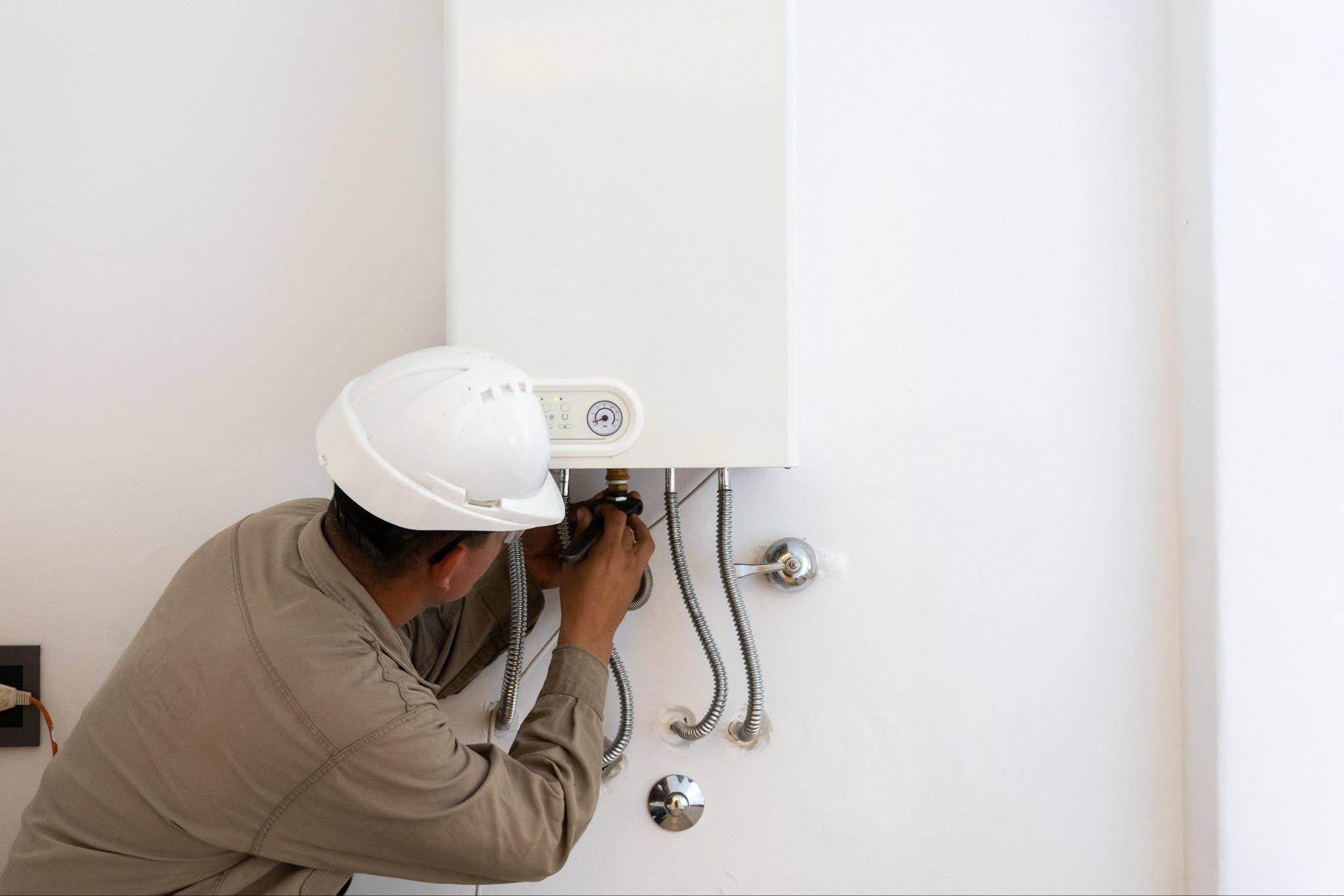
5. Hot water and water heater problems
Hot water problems disrupt daily operations quickly. They may affect tenants, restrooms, cleaning, or shared building functions.
Watch for slower recovery, inconsistent hot water, unusual noise, or complaints from more than one area of the building. Preventive maintenance and early commercial plumbing repair help avoid larger disruptions later.
6. Sewer line issues
Sewer problems spread quickly. Slow drains in several areas, recurring backups, and odors often point to a larger line problem rather than a single clogged fixture.
The best prevention step is to investigate repeat patterns early. If multiple drains slow down at the same time, the building likely needs more than a quick fix.
7. Aging pipes and repeated section repairs
Older commercial properties often deal with worn piping, corrosion, and repeated repairs in the same parts of the system. At some point, another patch stops being the best answer.
If the same line keeps failing, replacing that section may be the better long-term move. That helps reduce downtime and make future commercial plumbing repairs more predictable.
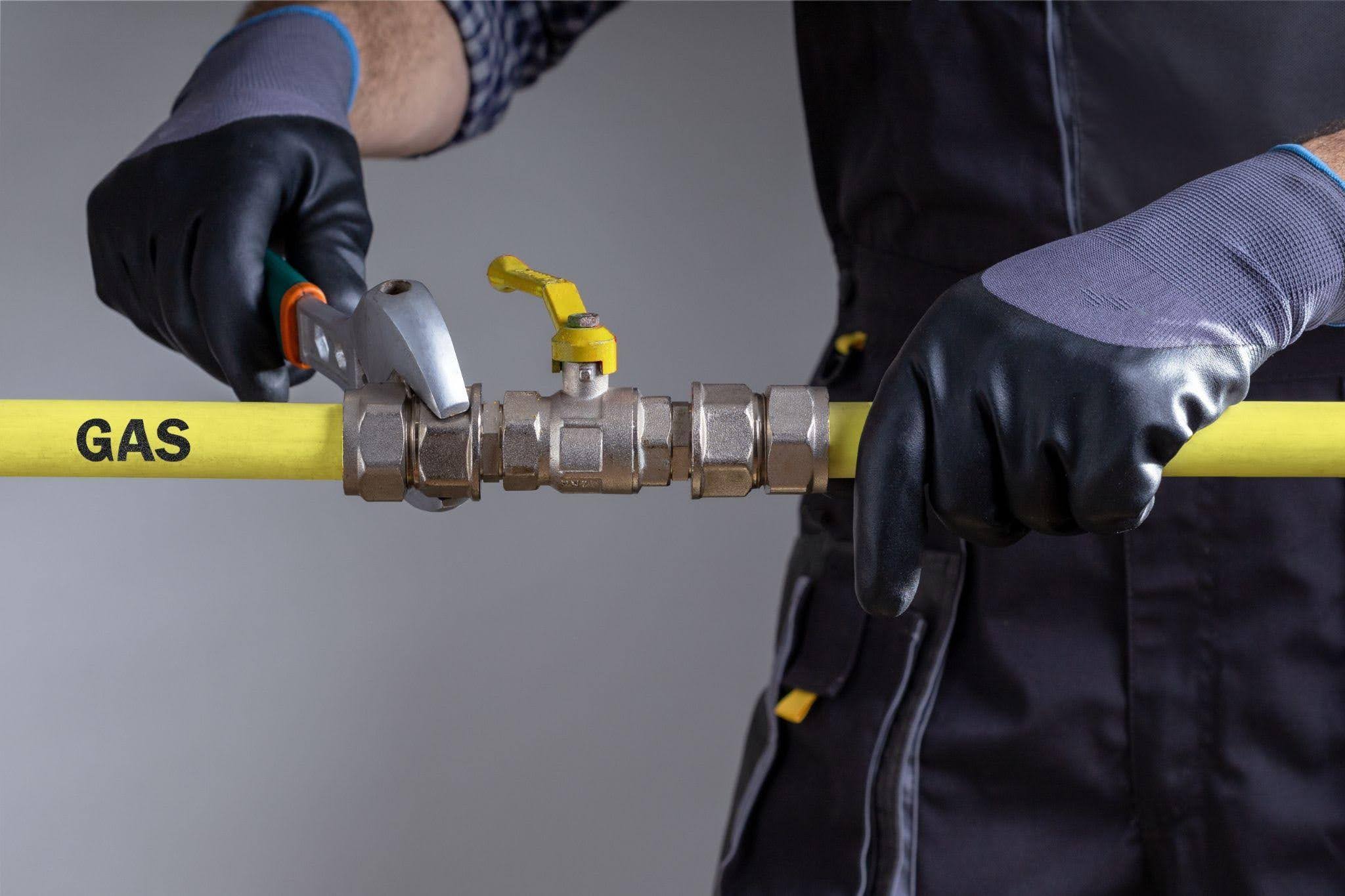
8. Backflow and compliance-related issues
Some commercial properties also deal with backflow prevention requirements, testing schedules, and inspection deadlines. These may not feel urgent day to day, but they create larger problems if no one stays on top of them.
The best prevention here is consistency. Keep records up to date and schedule required testing on time.
Where these problems usually show up
Problems don’t always start in obvious places. In multi-unit and high-use properties, they often show up first in:
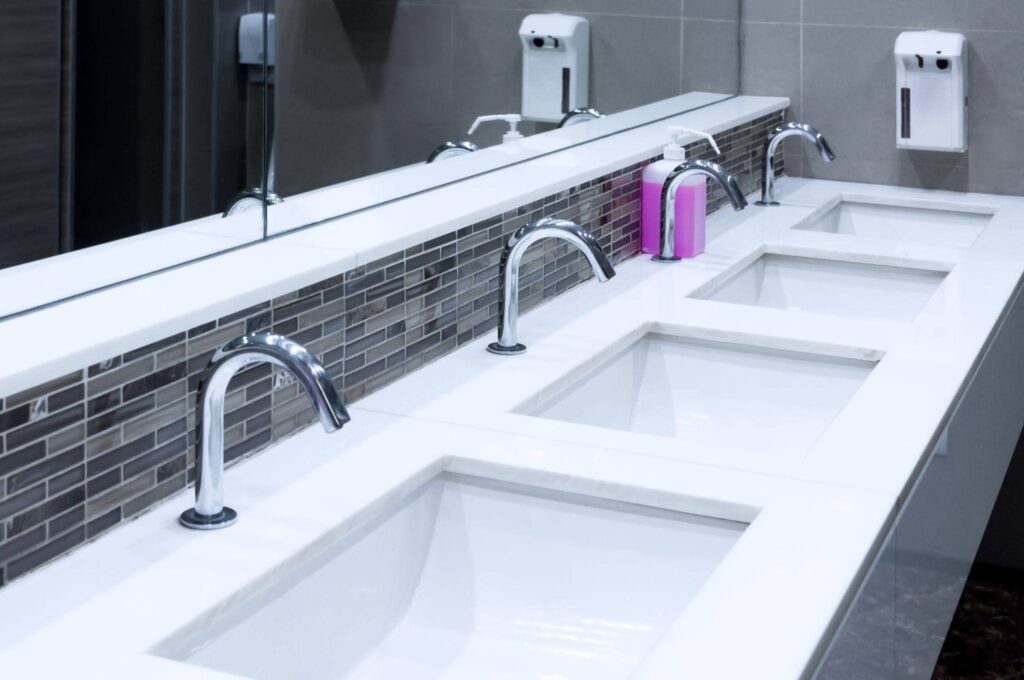
- shared restrooms
- utility rooms
- mechanical areas
- kitchens or break rooms
- unit stacks and shared drain sections
- older fixture banks
- water heater areas
That matters because the location often changes how fast the issue spreads. A small problem in a shared system affects more than one space before anyone realizes it’s connected.
Why prevention matters
Issues rarely stay small when the same warning signs keep getting ignored. A slow drain turns into a backup. A small leak spread into the walls or nearby units. A pressure complaint points to a larger system problem.
The earlier a team catches those signs, the more options they usually have. Prevention helps:
- Reduce repeat service calls
- Limit disruption for tenants, staff, and customers
- Protect shared systems from wider damage
- Make repair more manageable
- Reduce the chance of needing emergency commercial plumbing service
- Help property managers plan work more clearly
Commercial plumbing mistakes to avoid
- Treating repeat complaints as isolated calls: The same problem in the same area often points to a deeper issue.
- Waiting until a leak spreads: Early leak repairs are usually easier than wall, ceiling, or adjacent-space damage.
- Replacing fixtures without checking the system: The fixture may not be the real cause.
- Skipping routine checks in high-use areas: Busy parts of the building usually need more attention.
- Ignoring building patterns: Similar complaints across units often indicate a shared issue.
- Waiting for emergency service: It’s usually better to act before the system fails under pressure.
What affects commercial plumbing performance
A few factors usually shape how well a system holds up over time:
- Building size
- Number of units or fixture count
- Age of the piping
- Maintenance history
- Water quality
- System load
- Speed of response when early signs show up
That’s why two buildings have very different plumbing needs, even if they look similar on paper. Property teams can more effectively prevent plumbing problems by tailoring their approach to the property’s use.
Simple checks that help catch problems earlier
A few routine checks can still help property owners catch problems earlier:
- Track repeat plumbing complaints by location
- Review water bills when usage changes suddenly
- Check common areas for leaks, stains, or moisture
- Inspect shutoffs and fixture condition during routine service
- Pay attention when more than one unit reports the same issue
- Schedule inspections for older or high-use buildings
These checks help the property catch patterns earlier. Once the issue moves beyond routine observation, a licensed plumber should take over the diagnosis and repair.
FAQ
What’s the most common commercial plumbing problem?
Clogged drains, leaks, and fixture failures are among the most common problems because high-use buildings place greater daily strain on the system.
When should I call for commercial plumbing repair?
Call when the same issue keeps recurring, when multiple fixtures or units are affected, or when a small problem starts spreading to a larger part of the property.
What counts as emergency commercial plumbing?
Emergencies usually involve major leaks, sewer backups, no water or no hot water across a larger area, or plumbing issues that interrupt operations or affect multiple tenants.
How do property managers help prevent plumbing problems?
Property managers help by tracking repeat complaints, staying ahead of routine maintenance, identifying common building patterns, and scheduling service before a small issue grows.
Why do plumbing problems spread faster in multi-unit properties?
Shared lines, higher daily use, and connected systems make it easier for a single problem to affect multiple spaces if no one catches it early.
Take the next step with Salisbury Plumbing
Problems usually start small. The issue grows when the same warning signs keep being overlooked or treated as one-time calls. Salisbury Plumbing helps property owners, apartment managers, and project teams identify the cause, make the right repair, and take the next step before the problem spreads.
If your building is experiencing recurring issues or needs commercial plumbing repairs, contact Salisbury Plumbing to schedule service.