Preventing bathroom problems starts with simple routines: keep drains clear, maintain caulk and grout, control humidity, and watch for early signs of leaks. These habits reduce the likelihood of shower, tub, and shower drain repairs by preventing clogs and moisture intrusion before they damage walls, floors, and fixtures.
Small habits that prevent big problems
Most bathroom issues don’t begin with a major leak. They start with a slow drain, loose caulk, or a valve that drips “only a little.” Over time, those small problems turn into water damage, recurring clogs, and repairs that cost more than they should.
In this guide, you’ll learn practical maintenance habits that help you avoid shower and tub repair, plus the early warning signs that often lead to shower drain repair if you ignore them. A few minutes of preventive maintenance each month keep your bathroom running clean, dry, and reliably.
What causes most shower and tub repairs
Most bathroom repairs come down to the same basic formula: water, time, and a small failure that keeps getting worse. Hair buildup slows drainage, moisture sneaks behind tile when caulk fails, and small valve drips turn into hidden damage under the tub.
Here are the most common triggers:
- Clogs from hair and soap scum: A slow drain is usually the first warning sign. If you don’t fix it right away, you may end up needing shower drain repair instead of a quick cleanup.
- Failing caulk and grout: Once water gets behind the wall, it softens drywall, swells trim, and creates subfloor issues.
- Dripping valves and worn cartridges: Small drips add up, and they damage finishes or cause moisture where you cannot see it.
- High water pressure: Pressure that is too high stresses valves, connections, and hoses over time.
Most calls for shower repair start as minor symptoms that homeowners learn to tune out.
Step-by-step preventive maintenance checklist
Use this checklist to prevent clogs, reduce moisture damage, and keep fixtures working the way they should.
1. Use a drain screen every day
A simple hair catcher is one of the easiest ways to prevent clogs and reduce the risk of shower drain repair.
2. Clean the drain monthly
Remove hair from the drain screen and clean the drain opening. Use a gentle maintenance approach instead of harsh chemicals.
3. Rinse and wipe down wet areas
After showers, rinse soap residue and wipe down key surfaces. This keeps the buildup from hiding leaks and helps the caulk last longer.
4. Inspect caulk and grout lines
Check corners, seams, and around tub edges. Replace peeling caulk or cracked joints before water gets behind the wall.
5. Check for early leak signs
Look for soft flooring near the tub, discoloration along the base, musty smells, or staining on the ceiling below. Catching these early prevents bigger tub repair problems later.
6. Pay attention to water pressure
If pressure feels unusually high or low, address it. Pressure changes put stress on shower valves and fittings.
7. Maintain showerheads and aerators
Mineral buildup restricts flow. A simple soak and gentle brush cleaning restores performance and keeps fixtures consistent.
8. Test tub and shower valves
If you hear dripping, notice temperature swings, or feel inconsistent flow, don’t ignore it. Small valve issues turn into bigger repairs.
9. Run the bathroom fan during and after showers
Moisture control protects grout, caulk, paint, and wall cavities. A fan timer switch makes this easier to stick with.
10. Schedule an annual plumbing check
A professional inspection catches wear, minor seepage, and early valve problems before you need shower repair or tub repair.
Real-world warning signs: Three problems that turn into repairs
Sometimes it helps to see how small maintenance steps prevent bigger repair calls.
The slow drain that keeps coming back
A slow drain usually starts with hair buildup near the surface. A drain screen and monthly cleaning often solve it. If the problem keeps returning, the clog may be deeper, or the line may need professional clearing. Acting early prevents the issue from escalating into a full shower drain repair.
Cracked grout and recurring mildew
When grout cracks or caulk peels away, water seeps behind tile and stays trapped. That moisture may not show up immediately, but it softens drywall and damages the backing over time. Refreshing caulk and fixing seams early helps prevent more involved shower repair later.
Moisture near the tub edge
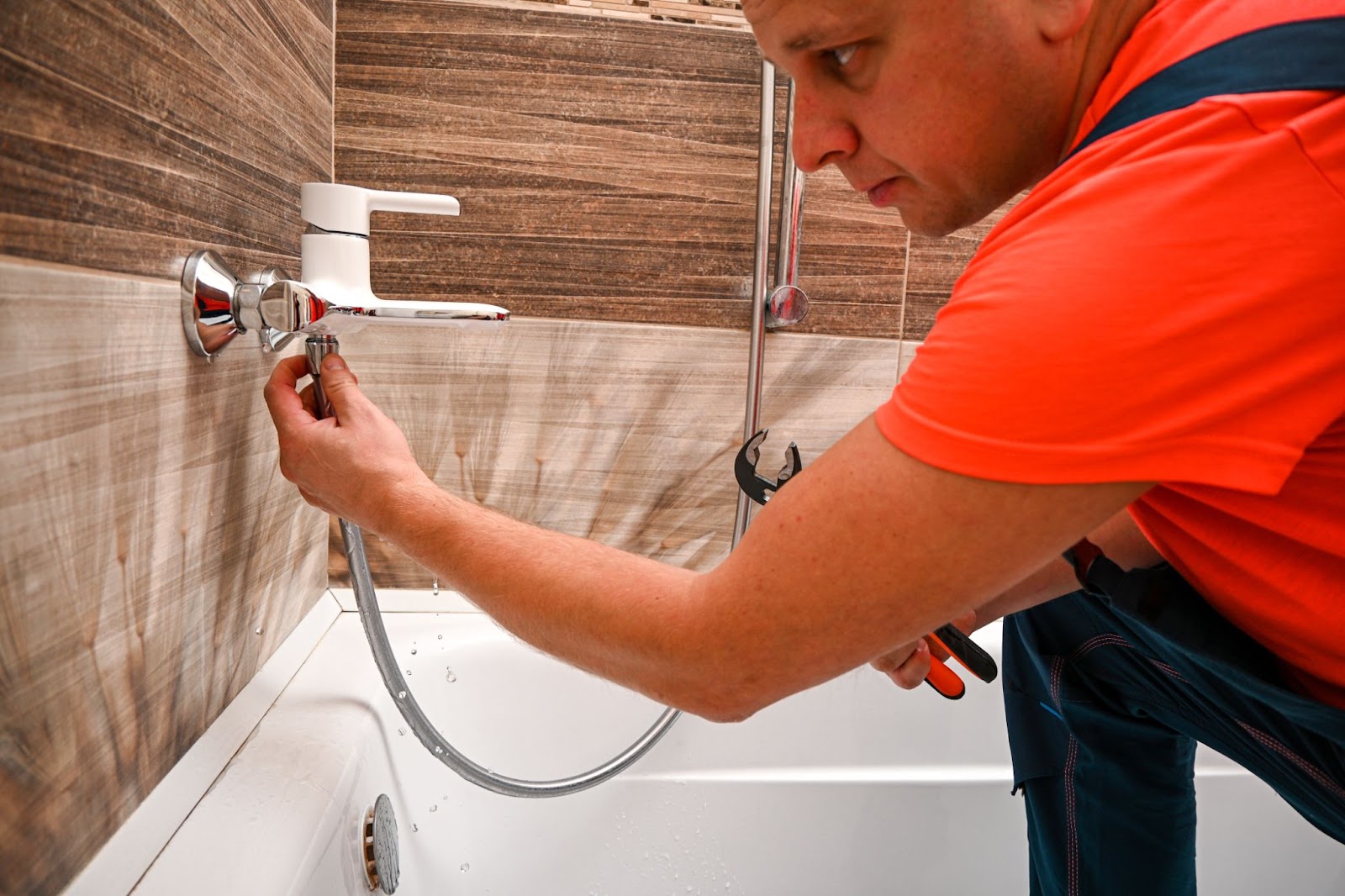
If you see moisture where the tub meets the floor, or notice soft spots nearby, treat it as an early warning. The issue may be a failing seal, an overflow problem, or a valve drip migrating behind the wall. Quick action prevents a larger tub repair and reduces the risk of structural damage.
Benefits of preventative bathroom maintenance
A little consistency goes a long way in bathrooms.
- Prevents hidden moisture damage behind walls and under tubs
- Keeps drains flowing and reduces recurring clogs
- Extends the life of valves, showerheads, and trim
- Improves cleaning performance and reduces buildup
- Lowers the risk of needing emergency shower repair
- Helps you schedule tub repair early, before damage spreads
Common mistakes to avoid
Many homeowners accidentally make problems worse by using quick fixes that do not address the cause.
- Relying on harsh chemical drain cleaners: These damage plumbing and still fail to remove the real blockage.
- Ignoring slow drainage: A slow drain is a warning. Handle it early so you don’t end up needing shower drain repair later.
- Sealing over a leak: Caulk is not a fix for a plumbing leak. Diagnose the cause first.
- Skipping ventilation: Moisture that lingers breaks down caulk and grout faster.
- Over-tightening parts: This cracks the fittings or strips connections.
- Waiting until damage is visible: By then, repairs are usually more expensive and disruptive.
Data and statistics
Small plumbing issues add up faster than most homeowners realize, which is why preventive habits and early fixes matter.
- EPA WaterSense says the average household’s leaks waste more than 9,300 gallons per year, and nine percent of homes have leaks that waste 50 gallons or more per day.
- The Insurance Information Institute (using ISO data) shows that “water damage and freezing” accounted for 22.6% of homeowners’ insurance losses.
- The American Institute of Architects notes that contingencies help cover unpredictable changes and on-site conditions that arise during construction.
In bathrooms, those numbers often show up as dripping valves, slow leaks you do not see right away, or drains that keep clogging. Catching issues early helps you avoid bigger repairs, reduce water waste, and keep maintenance costs more predictable.
Tools and products
You do not need a toolbox full of specialty equipment to protect your bathroom. A few basics help you stay consistent.
- Drain screens or hair catchers
- Small cleaning brush and non-abrasive cleaner
- Enzyme-based drain cleaner for monthly maintenance
- Caulk, a caulk tool, and a utility knife for removing old caulk
- Grout sealer (when appropriate)
- White vinegar for light mineral buildup on showerheads and fixtures
- Leak sensor near plumbing access points (optional)
- Fan timer switch to improve ventilation habits
These small tools reduce clogs, protect seals, and lower the risk of needing tub repair down the road.
FAQ
How often should I clean my shower drain to avoid clogs?
Clean the drain screen weekly and do a deeper clean monthly. If water starts draining more slowly, address it immediately. Quick action keeps a small buildup from becoming a stubborn clog.
What are the early signs that I need a shower repair?
Watch for dripping valves, water outside the shower, loose trim, or damp drywall near the shower wall. If the issue returns after basic cleaning and resealing, it’s time to call a pro.
When does a slow drain become a shower drain repair issue?
If the drain stays slow after you remove hair and clean the screen, or if it clogs repeatedly, the blockage may sit deeper in the line. At that point, professional clearing is often the safest option.
How do I know if the tub caulk needs to be replaced?
Replace caulk when you see gaps, peeling edges, cracks, or persistent mildew that returns quickly. Fresh caulk helps keep water from slipping behind the tub and damaging the wall.
Should I use chemical drain cleaners in my shower?
Avoid routine chemical drain cleaners. They damage plumbing and often do not solve deeper clogs. Use mechanical removal and gentler maintenance methods, and call a pro for recurring issues.
Stay ahead of bathroom repairs with Salisbury Plumbing
Preventive care is the easiest way to avoid bathroom repairs. Use a drain screen, clean drains regularly, maintain caulk and grout, and keep moisture under control with good ventilation.
If you still notice recurring clogs, leaks, or performance issues, contact Salisbury Plumbing for help with shower, tub, or shower drain repair before small problems turn into costly damage.