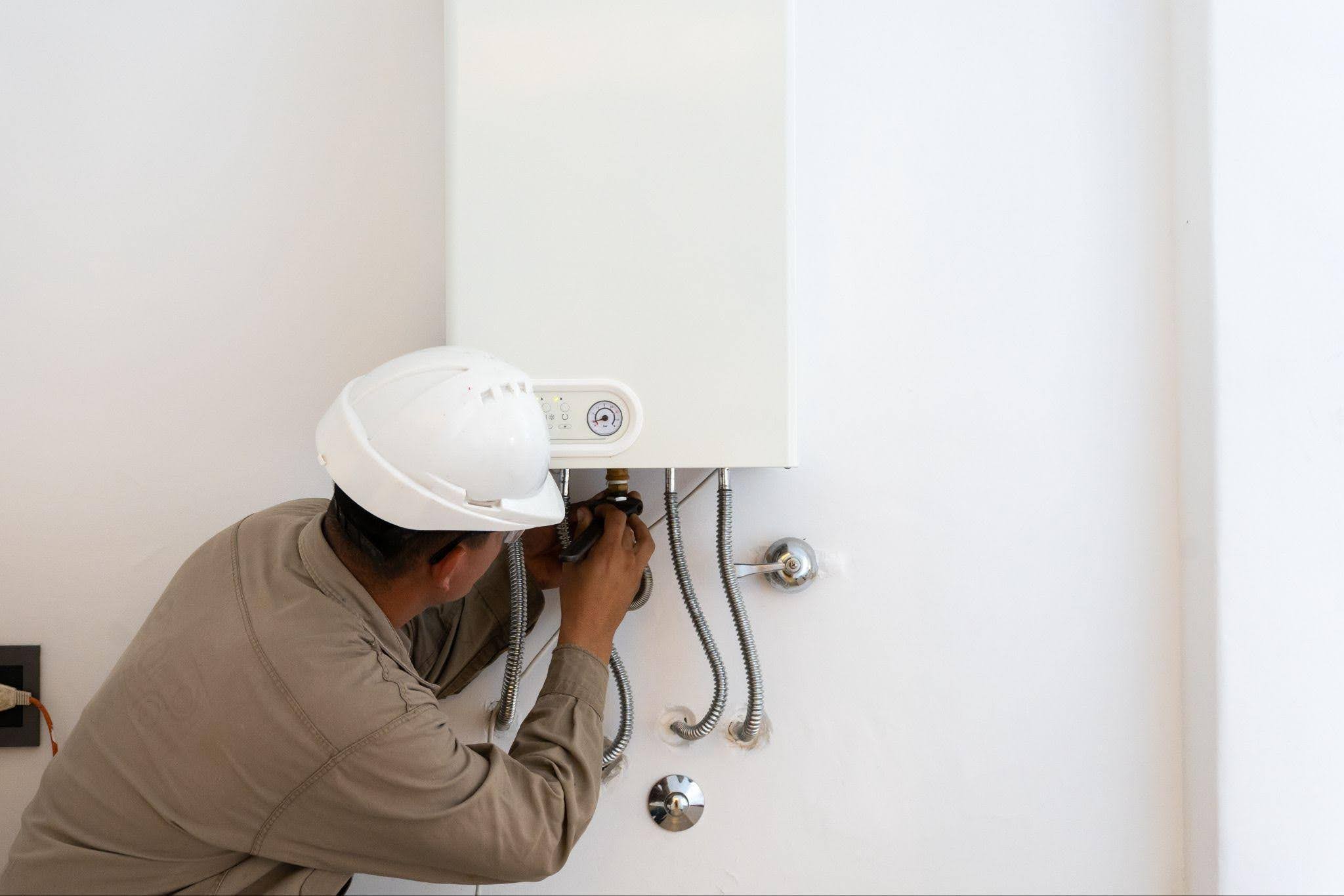
Water heater problems don’t all point to the same fix. Start with the symptom, then look at where the problem begins. A failed component may justify a repair, while a leaking tank may call for replacement. Regular care also helps homeowners catch buildup, leaks, and performance changes before they become larger problems.
What your water heater is telling you
A water heater problem often starts with a small change.
The shower turns cold sooner than it used to.
Water appears near the tank.
A unit that once ran quietly starts making noise.
Before you assume you need a new system, start by looking at what changed. The symptom, the heater’s condition, and how your household uses hot water all help determine whether the next step is repair, water heater replacement, or maintenance. This guide walks through those decisions, so you know what to look for and when it makes sense to call a plumber.
Something changed with your hot water
Most water heater problems show up as a change in daily use. Those symptoms give you a better starting point than age alone.
Pay attention to what changed:
- No hot water: Gas, electric, and tankless systems fail in different ways. A loss of fuel or power may stop heating altogether.
- Not enough hot water: The heater may have lost performance, or the household may now use more hot water than the system handles well.
- Hot water takes too long to arrive: The heater may work properly, but long pipe runs result in slow delivery.
- Temperature changes during use: Look at whether the issue affects the whole house or only one fixture.
- New noises: Sediment in a tank often causes rumbling or popping, but a plumber should identify the source before assuming a flush will resolve it.
- Odor or discoloration: Compare the hot and cold water. If only the hot water looks or smells different, the heater deserves a closer look.
A good water heater repair starts with the symptom, then narrows down where the problem begins.
Is the water heater actually causing the problem?
Not every hot-water complaint starts at the heater. Before you focus on the equipment, look at the pattern.
Ask yourself:
- Does the issue affect every faucet and shower?
- Does it affect hot water only?
- Did the problem start suddenly or develop over time?
- Has the heater always struggled during heavy use?
- Does a tankless unit show an error code?
If one shower swings between hot and cold while the rest of the house works normally, the shower valve may deserve attention. If every fixture suddenly loses hot water, the heater moves higher on the list.
Pipe layout also affects how quickly hot water reaches a fixture. As the EPA explains, the amount of water between the heater and the fixture affects how long it takes for hot water to arrive.
You found water around the heater. Where is it coming from?
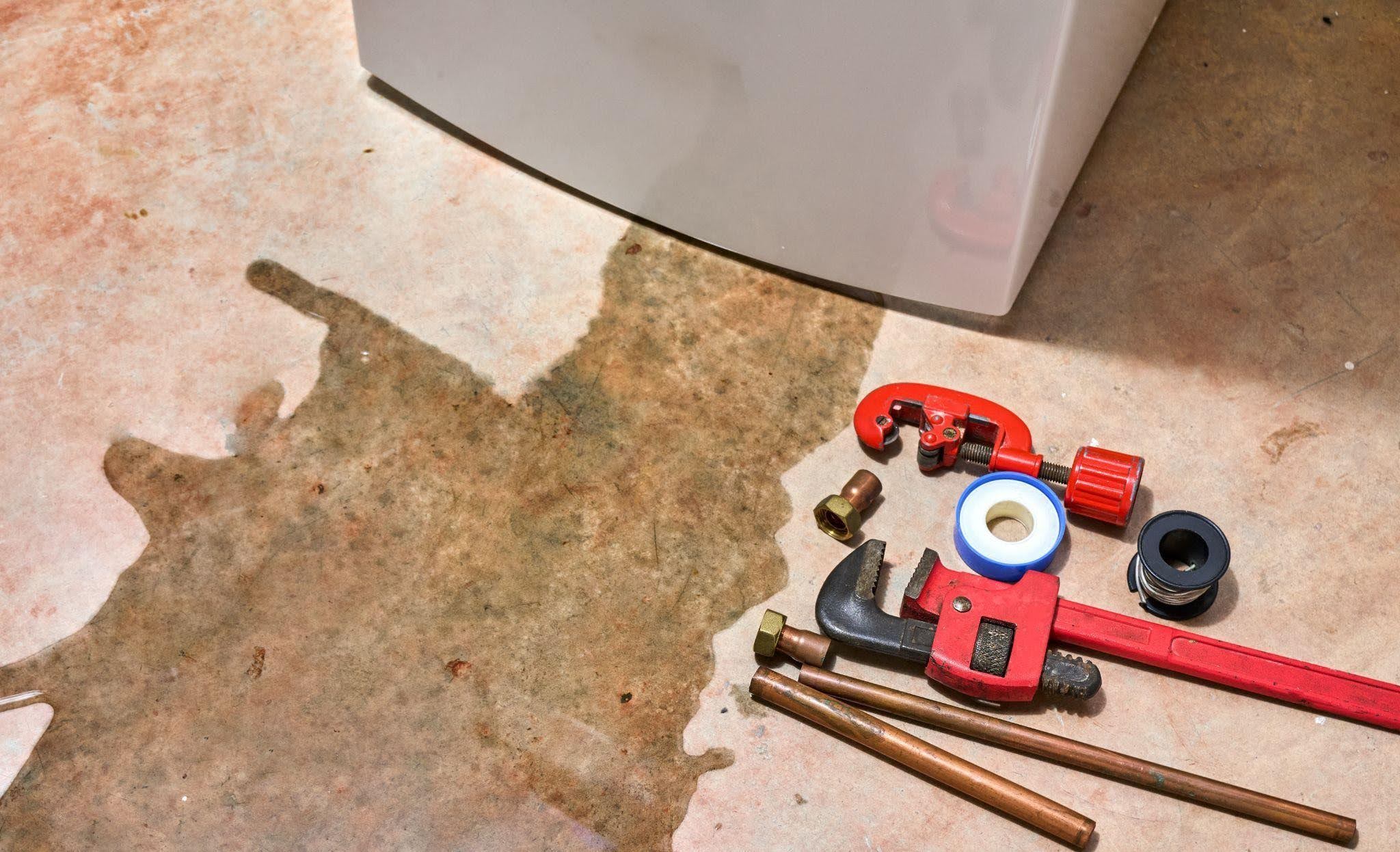
Water on the floor gets attention quickly, but it doesn’t mean the tank has failed. Start by looking for the highest visible wet point. Water often travels down pipes or the side of the unit before it reaches the floor.
Look for moisture near these areas:
- Hot and cold water connections
- The drain valve
- The temperature and pressure relief valve or discharge pipe
- The tank body
- Nearby plumbing
The source changes the next step. A leaking connection or valve differs from water escaping through the tank itself. A leaking storage tank usually steers the conversation toward replacement, since a plumber doesn’t repair a compromised tank wall.
If water is actively spreading across the floor, shut off the water supply if you know how to do so safely, and call for service. Don’t plug or cap a dripping pressure-relief discharge line.
When does water heater repair make sense?
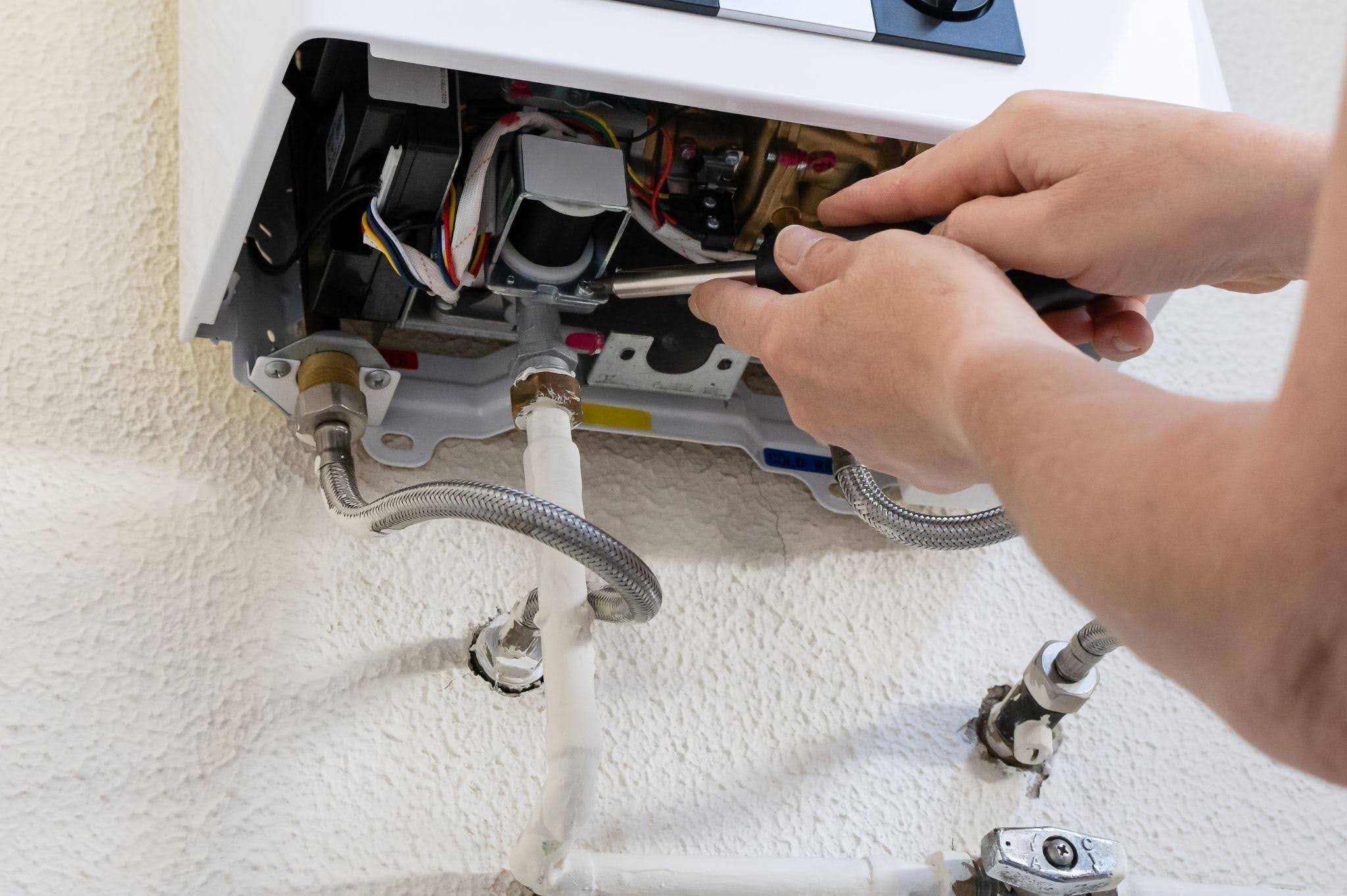
Depending on the system, a plumber may find a problem with a heating or ignition component, a valve, or a connection. Tankless units may develop flow or scale-related problems that don’t require replacement.
Look beyond the failed part. Consider the overall condition, repair history, current performance, and warranty status.
Water heater repair often makes sense when the unit remains in good condition, and the problem stays limited to a serviceable part. Repeated failures or a damaged tank change that calculation.
When does water heater replacement make more sense?
Age matters, but it shouldn’t make the decision alone. Two water heaters of the same age may have very different maintenance histories.
Replacement deserves a closer look when you see a leaking tank, extensive corrosion, repeated breakdowns, or declining performance that keeps returning after service.
Before choosing another repair, consider the following:
- What failed? A replaceable component differs from a compromised tank.
- How often has the heater needed work? One repair looks different from several repairs in a short period.
- Does it still supply enough hot water? A working heater may still fall short after household demand changes.
- What does the warranty cover? Check applicable manufacturer coverage before paying for a major repair on a relatively young unit.
If replacement starts to make more sense than another repair, choosing the right water heater should begin with the condition of the current unit and the home’s hot-water needs.
Is your water heater failing, or is it too small for your home?
Sometimes a water heater works the way it should and still runs out of hot water because the household is using more than it can keep up with.
With a storage tank, gallon capacity tells only part of the story. Recovery matters because the heater needs time to heat incoming cold water after people draw hot water from the tank. ENERGY STAR uses First Hour Rating to describe how much hot water a storage heater supplies during a busy hour.
Tankless systems work differently. Their performance depends heavily on flow rate and the temperature rise the unit must provide.
Think about whether your household has changed. More occupants or a new bathroom may increase peak demand. If the heater has struggled since day one, sizing deserves attention. If it handled the home well for years and suddenly falls short, look for a performance problem first.
Choosing a replacement: tank or tankless?
A traditional tank stores heated water and recovers after use. Many homeowners choose another tank when the existing setup works well, and they want a straightforward replacement.
A tankless system heats water as demand starts instead of storing a full tank. That approach may suit homes that regularly run out of hot water, but the unit still needs proper sizing to handle simultaneous demand.
A switch from a tank to a tankless unit may also require changes to the installation. The plumber may need to review the gas supply, electrical requirements, venting, or the available location.
If a tankless system better fits the home’s hot-water demand, choosing the right size tankless water heater starts with looking at peak demand and the home’s existing setup.
The best replacement matches household demand and the home’s existing setup.
The plumbing around your water heater matters, too
The water heater works as part of a larger plumbing system, so problems elsewhere may affect what you notice.
Water pressure matters because excessive pressure puts additional strain on plumbing connections. Some homes also use an expansion tank near the heater. That smaller tank gives expanding water somewhere to move when the water’s volume increases in a closed plumbing system.
Hot-water piping matters as well. The amount of water sitting between the heater and fixture affects how long you wait for hot water.
Water quality matters, too. Minerals may settle in a storage tank or form scale inside tankless equipment, so maintenance should match the system.
What water heater maintenance actually matters?
Good water heater maintenance focuses on equipment condition rather than the same checklist for every heater.
For a tank water heater, service may include:
- Checking for visible leaks or corrosion
- Looking at accessible connections
- Addressing sediment when the tank condition supports flushing
- Reviewing the anode rod when inspection makes sense
- Checking the temperature and pressure relief system
- Confirming an appropriate operating temperature
Tankless systems need a different approach. Mineral scale may build inside the heat exchanger and affect performance. A plumber may recommend descaling based on the unit, water conditions, and manufacturer guidance.
Don’t assume an older heater with no maintenance history needs the same treatment as a newer unit that has received regular care. If you inherited a water heater and don’t know its service history, start with an inspection before disturbing an aging system.
What should you handle yourself, and when should you call a plumber?
Before the service visit, note the following:
- Whether the problem affects every fixture
- Whether cold water shows the same discoloration or odor
- Where do you first see moisture?
- Any tankless error code
- The approximate age and model number
- Whether the problem appeared suddenly or gradually
Call a plumber when the problem involves an active leak, repeated shutdowns, internal electrical components, gas controls, venting, or pressure-related safety equipment. Leave repair work alone if you aren’t sure how the system operates.
If you smell gas near gas-fired equipment, leave the area and follow your gas utility’s emergency guidance.
Frequently asked questions
How long does a water heater usually last?
A water heater’s lifespan depends on how it was installed, how well it’s been maintained, and the conditions it has worked under. Age still matters, but it shouldn’t be the only reason to replace a unit that’s otherwise working well.
Should I replace a water heater before it fails?
Planning ahead may make sense when an older heater shows declining performance or repeated problems. It gives you more time to compare equipment before a failure.
Why does my hot water smell like rotten eggs?
Compare the hot and cold water first. If the odor affects only the hot water, the water heater may be the source. A plumber should inspect the system and water conditions before recommending a fix.
Why does my water heater keep shutting down?
Repeated shutdowns deserve diagnosis. Resetting the system over and over doesn’t address the underlying problem.
Do I need an expansion tank with a new water heater?
That depends on the plumbing setup and installation requirements. A plumber should evaluate whether the system needs to absorb thermal expansion.
Should I flush an old water heater that has never had maintenance?
Don’t assume a flush makes sense solely because the heater contains sediment. Start with its age and condition. A plumber may recommend a different approach for an older tank with an unknown maintenance history.
Does hard water affect tank and tankless heaters differently?
Yes. Minerals may settle as sediment in storage tanks and form scale inside tankless heat exchangers. That difference affects how a plumber approaches water heater maintenance.
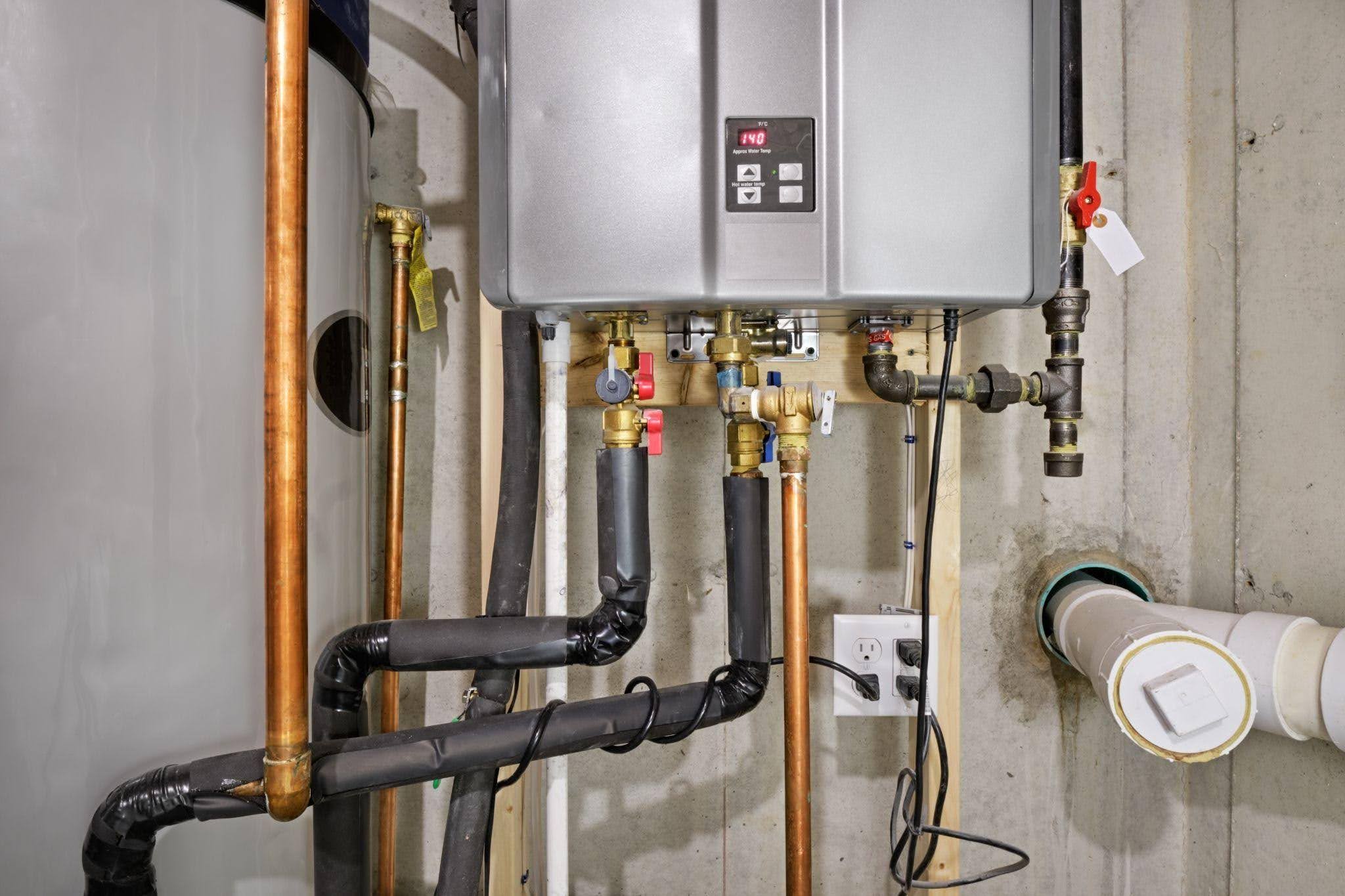
Get clear answers about your water heater from Salisbury Plumbing
A hot-water problem may call for a simple repair, a closer look at the system, or a full replacement. If the heater still works well, regular water heater maintenance may be all it needs to keep running reliably.
Salisbury Plumbing helps Utah County homeowners identify what’s happening and understand the next step. If your heater leaks, struggles to keep up, or shows another change in performance, contact Salisbury Plumbing to schedule service and get a clear recommendation based on the condition of your system.