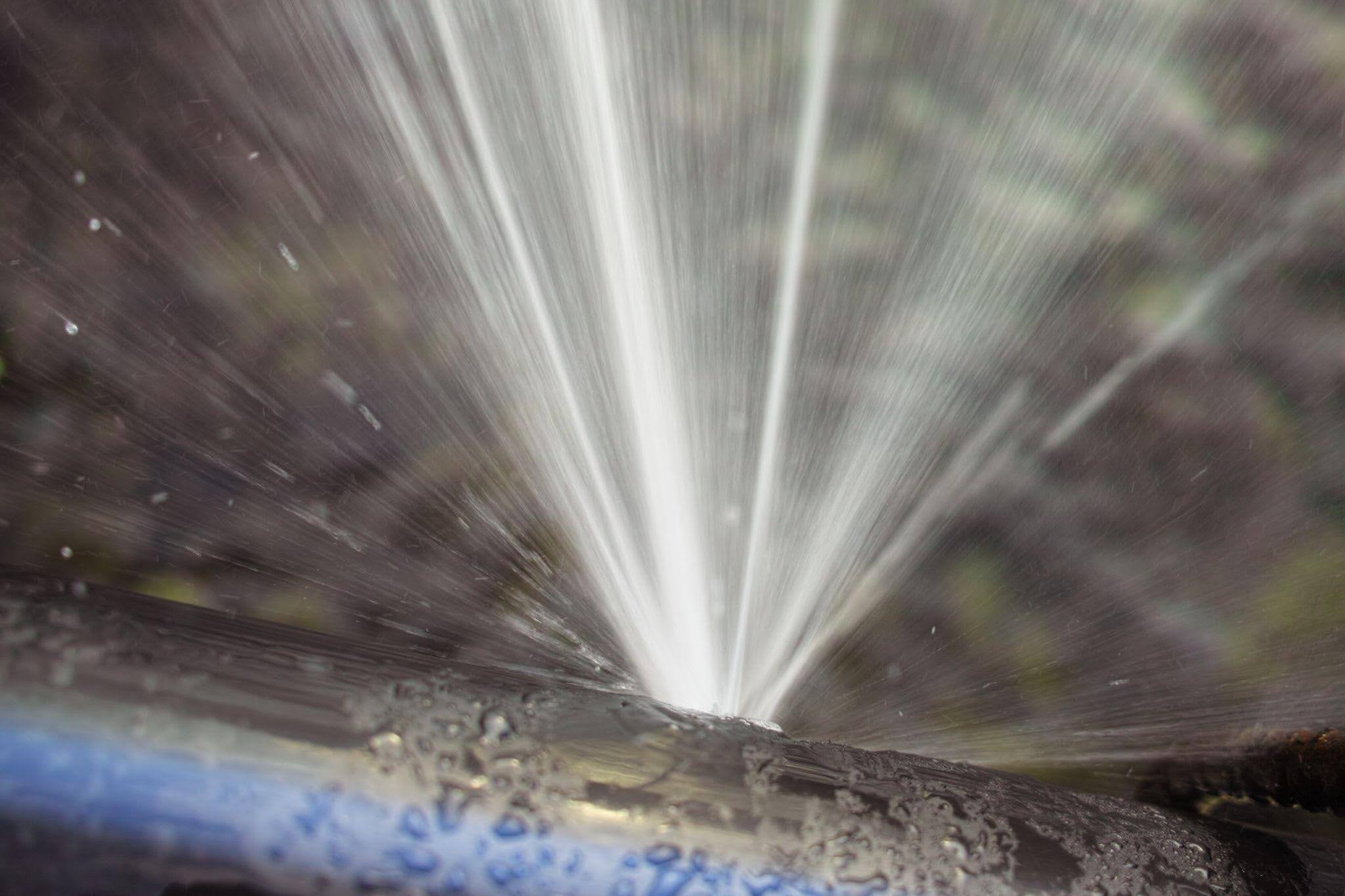
Freezing temperatures create enough pressure to split a water pipe, while high water pressure strains the line. Corrosion or physical stress then creates a weak point. Insulation helps protect vulnerable plumbing, while routine inspections reduce the risk of a burst water pipe.
Why pipes burst without warning
A pipe can fail suddenly even when the underlying problem has developed over time. A weakened section may remain hidden behind a wall until pressure finally causes it to split. Low water pressure or moisture spreading across a ceiling may provide the first warning. This guide explains why pipes burst, how to reduce the risk, and when to call for emergency plumbing service.
How do you tell if a pipe has burst?
Watch for a sudden pressure drop or the sound of running water when all fixtures are off. Damp flooring or new water stains can point to a hidden leak. If part of the home also loses pressure or water flow, the problem may be coming from a damaged line.
A burst water pipe needs quick attention when water continues spreading. Call for emergency plumbing help if you can’t safely keep the supply on.
Why do water pipes burst?
Pressure usually causes a weakened section of pipe to fail. Freezing may block the line and trap pressure inside it. High water pressure strains the system every day.
The weak point may be due to corrosion or age. Poor installation also leaves a section under constant stress. Pipes burst during any season.
8 common reasons water pipes burst
1. Freezing temperatures
Water expands when it freezes. A frozen section blocks the pipe and trap pressure between the ice and a closed faucet.
Lines in crawl spaces or garages face a higher risk because cold air reaches them. Plumbing inside an exterior wall may also freeze when the insulation is thin.
Insulate exposed lines and seal openings that let cold air inside. Keep the home heated during cold weather.
2. High water pressure
High water pressure places constant strain on pipe walls and connections. Banging pipes or frequent fixture leaks may point to a pressure problem.
If the same line needs repeated burst pipe repair, pressure may be contributing. A plumber will test the system and check the pressure regulator.
3. Corrosion
Metal pipes weaken from the inside. The outside may still look solid after corrosion thins the pipe wall.
Discolored water may suggest rust inside the line. Recurring pinhole leaks point to a larger problem.
When failures keep returning, a plumber may need to inspect more of the line. Replacing a badly worn pipe prevents another burst water pipe nearby.
4. Aging pipe materials
Every plumbing material wears differently. Older metal pipes may corrode. Some plastic materials become brittle after years of temperature changes or physical stress.
Age alone doesn’t mean the entire system needs replacement. The pipe’s condition and repair history give a clearer answer.
Keep records of previous leaks and schedule an inspection when failures begin appearing along the same line.
5. Poor installation
The wrong fitting can leave the pipe under constant tension, causing it to fail. Inadequate support may also let the pipe sag against a connection.
Problems develop where incompatible materials meet or poor routing forces a sharp bend.
A qualified plumber corrects the layout and replaces unsuitable parts.
6. Loose support and pipe movement
Pipes move slightly when water starts or stops. An unsupported section may rub against framing or strain a fitting.
You may hear rattling inside a wall or knocking when an appliance valve closes.
Adding the right support reduces movement. A plumber also checks whether high pressure is causing the problem.
7. Water hammer
Water hammer happens when flowing water stops suddenly. The change creates a pressure surge that moves through the line.
Repeated surges damage a weak fitting over time. A working water hammer arrestor absorbs the force before it reaches vulnerable plumbing.
8. Ground movement or accidental damage
Buried lines shift when the soil settles. That movement may bend the pipe or pull a connection apart.
Indoor plumbing suffers damage during remodeling. A screw may puncture a hidden pipe, and the leak may not appear immediately.
Locate plumbing before opening a wall, and call for utility marking before digging.
How do you prevent water pipes from bursting?
Prevention works best when it addresses the actual cause.
- Protect pipes from cold air: Insulate exposed sections and seal gaps near crawl spaces or utility areas. Keep the home heated during winter absences.
- Check the water pressure: Have a plumber test the system if fixtures leak often or pipes bang. A worn regulator may allow too much pressure through the lines.
- Pay attention to recurring leaks: One repair may solve an isolated problem. Repeated leaks point to a corrosion or aging pipe that needs a broader fix.
- Secure loose plumbing: Pipes that shift or vibrate strain nearby connections. Proper support helps reduce that movement.
- Inspect older lines: Rust-colored water or pressure fluctuations may indicate worn plumbing. An inspection helps identify weak sections before they fail.
- Use leak detection tools: A moisture alarm warns you when water reaches the floor. Some whole-home systems also detect unusual flow and automatically shut off the supply.
Leak detectors reduce the amount of water that escapes from a burst water pipe, but they can’t strengthen a worn line.
What should you do when a pipe bursts?
A fast response limits the spread of water.
- Shut off the home’s main water supply.
- Stay away from water near electrical outlets or appliances.
- Open a faucet to relieve pressure.
- Move belongings away from the affected area.
- Document visible damage when it’s safe.
- Contact an emergency plumbing professional.
A clamp or repair tape may slow a small leak after the water is off. Neither option replaces permanent burst pipe repair.
Common burst pipe prevention mistakes
- Insulating a pipe without sealing the source of cold air
- Ignoring pipes that bang or move
- Treating every leak as an isolated problem
- Leaving the water on during a long winter vacancy
- Using a temporary patch as a permanent repair
- Assuming only old plumbing fails
A newer line could still burst when pressure runs too high or poor installation strains one section.
Tools that help detect plumbing problems
- Water pressure gauge: Measures the home’s water pressure. A high reading may point to a regulator problem.
- Moisture alarm: Sounds an alert when water reaches the floor near a fixture, appliance, or exposed pipe.
- Smart flow monitor: Tracks water use and may detect unusual flow caused by a hidden leak.
- Automatic shutoff valve: Closes the main supply when the system detects a possible leak.
- Moisture meter: Checks drywall, flooring, or wood for hidden moisture.
- Infrared camera: Shows temperature differences that may help locate a leak behind a wall.
- Acoustic leak detector: Helps a plumber listen for water escaping from a pressurized line.
- Freeze alarm: Warns homeowners when temperatures near vulnerable pipes drop.
- Home water meter: May indicate a hidden leak if it keeps moving while all fixtures are off.
These tools catch pressure problems or leaks earlier, but recurring issues still need a professional inspection.
FAQ
Can a water pipe burst without freezing?
Yes. Freezing is only one possible cause. High water pressure places constant strain on a weak section, while corrosion may thin the pipe from the inside. A line can also fail due to physical damage from drilling, remodeling, or shifting soil.
Does a pipe always burst where it freezes?
Not always. Ice may form in one part of the line and block the flow of water. Pressure then builds between the frozen section and a closed fixture. The pipe may split at a weaker point farther down the line.
Can I temporarily patch a burst pipe?
A pipe clamp or repair sleeve may slow a small leak after you shut off the water. Repair tape may also help temporarily limit dripping. These measures aren’t permanent; the line still needs professional burst pipe repair before you can restore normal water use.
Will a plumber need to open the wall?
Possibly. If the damaged line sits behind drywall, the plumber may need to create an access opening to reach it. The size of that opening depends on the pipe’s location and the extent of the damaged section that needs replacement.
Does a plumber repair water-damaged drywall?
A plumber repairs the failed pipe and tests the new connection. A restoration company may need to remove wet drywall or insulation. A drywall or finish contractor then restores the wall once the area has dried.
Does homeowners’ insurance cover a burst pipe?
Coverage depends on the policy and the cause of the damage. Some policies cover sudden water damage but may not pay to replace the failed pipe itself. Damage caused by long-term neglect may also receive different treatment. Contact your insurance provider before assuming what the policy covers.
When should I call for emergency plumbing?
Call when water continues to escape, or when the main supply must remain off. Emergency plumbing may also be necessary when the break affects essential water service or creates a risk near electrical equipment. Shut off the water first, then contact a plumber.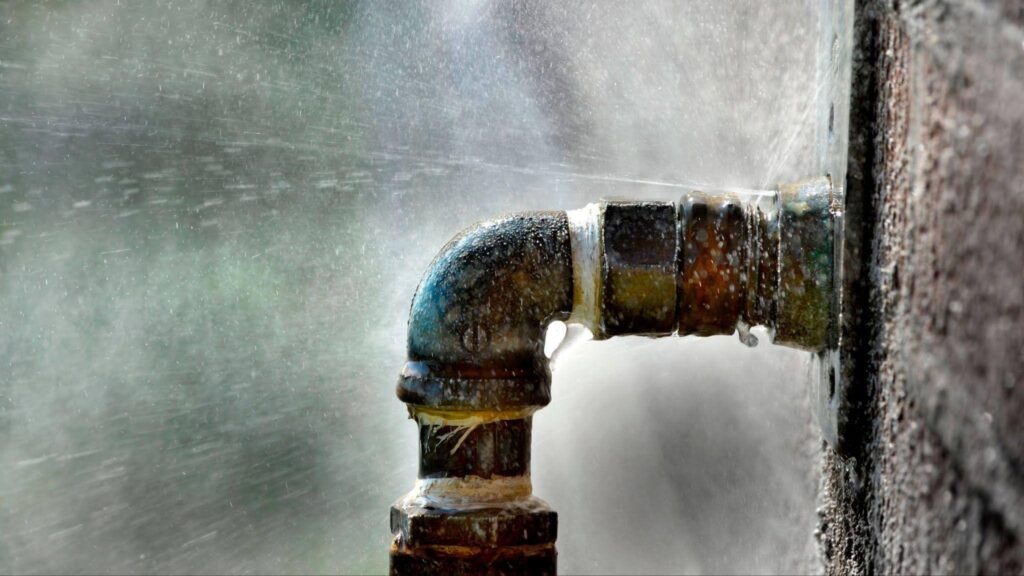
Get help with a burst water pipe from Salisbury Plumbing
A burst water pipe often starts with excess pressure or a weak section that has developed over time. Fixing the visible opening is only part of the job. The repair also needs to address the cause.
If a pipe has failed or the same line keeps leaking, Salisbury Plumbing will inspect the system and explain the next step. Contact us for emergency plumbing service or professional burst pipe repair.