
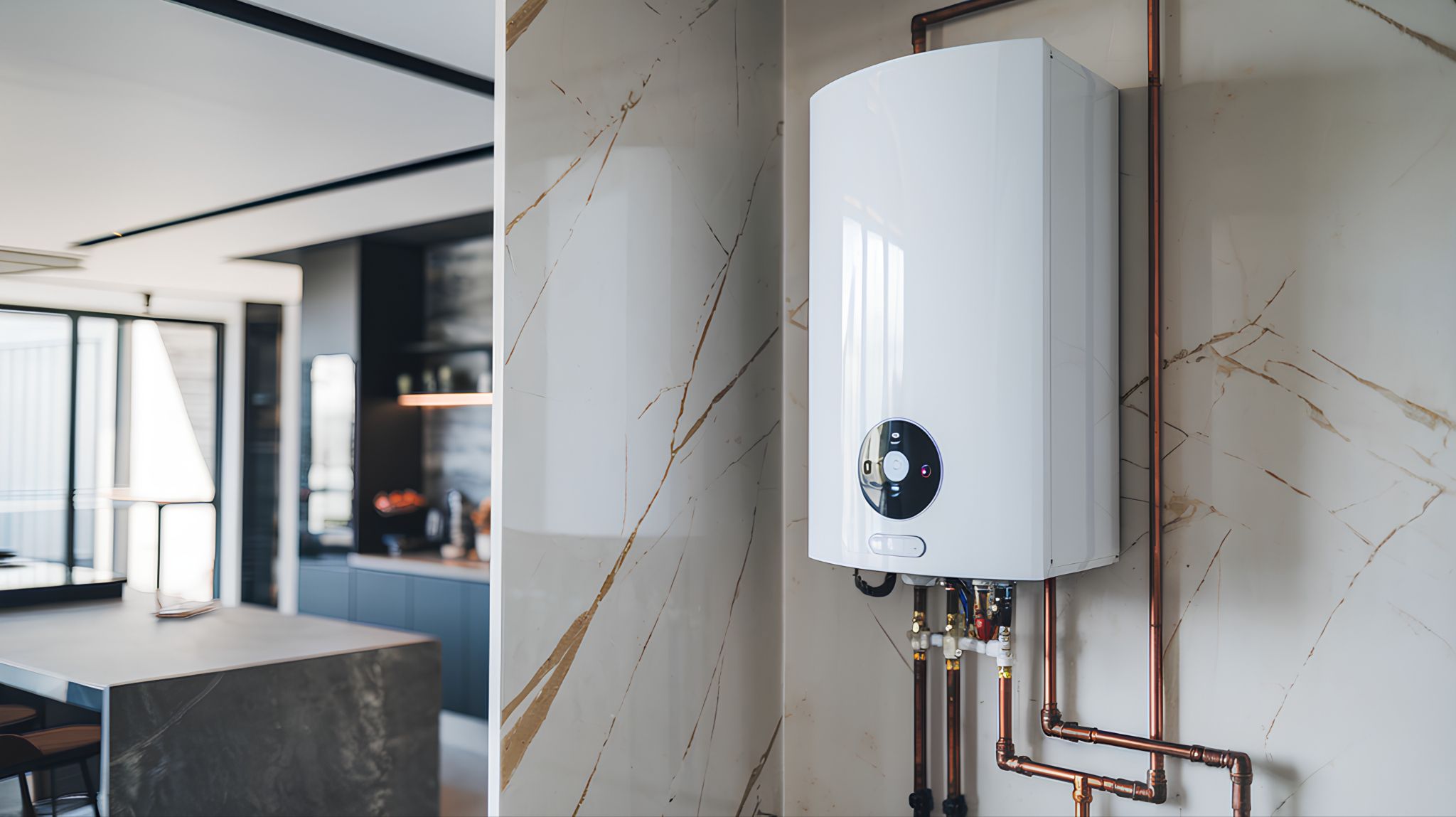
Is it time to repair or replace your water heater?
Water heater problems often show up when you least expect them. Your morning shower might suddenly turn cold, or you might notice water pooling around the unit. When that happens, you need to decide whether a repair will solve the problem or if it’s time for a replacement.
The answer depends on what’s wrong and how the rest of the equipment looks. A failed heating element differs from a rusted tank. Understanding the signs your water heater needs repair is a good place to start. Here’s how to weigh the condition of your water heater against the cost of keeping it running.
What’s causing your water heater problems?
Before you decide to replace anything, find out what’s causing the trouble. A water heater that stops producing hot water might have a failed part, a power problem, or an interruption in its gas supply. Each situation calls for a different response.
Start with a few safe observations. Note whether the problem affects every faucet or only one fixture. Check whether the unit displays an error code, and look for water around visible connections. If you have an electric heater, check whether a breaker tripped. Don’t repeatedly reset a breaker that keeps tripping.
Also, pay attention to where water appears. A leaking fitting might need repair, but water escaping from a corroded storage tank usually points to replacement. Don’t remove protective covers or work on gas piping to investigate the difference yourself.
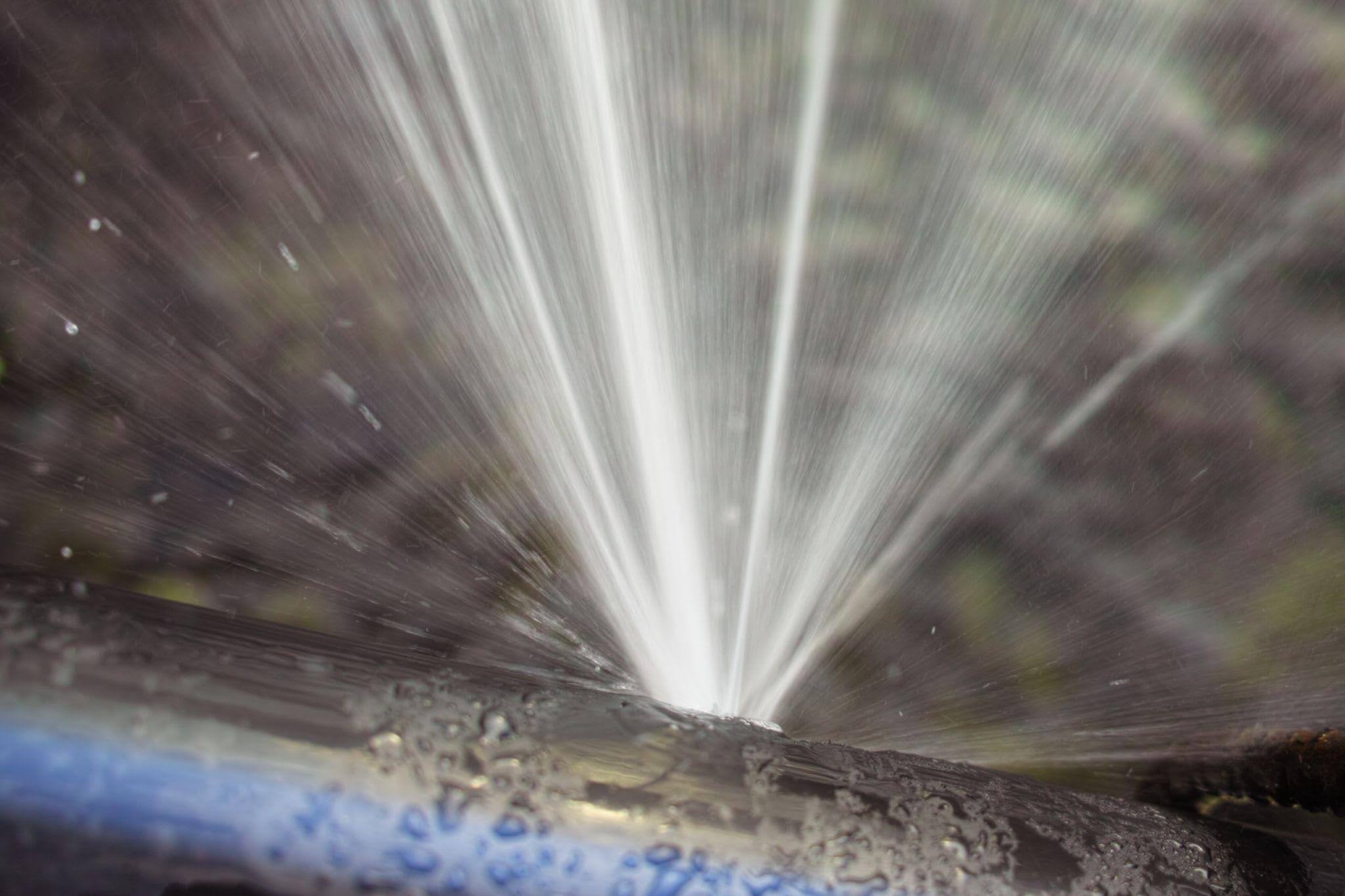
If you smell gas, leave the area and follow your gas utility’s emergency instructions. For an active water leak, shut off the accessible water supply safely, then contact a plumber. A plumber should identify the immediate problem and evaluate the heater’s condition.
How long should a water heater last?
Traditional storage water heaters typically last around 10 to 15 years, although regular maintenance and the unit’s overall condition affect how long it stays reliable. Tankless equipment may operate for 20 years or longer with appropriate care. Actual lifespans vary.
Over time, corrosion wears away the inside of a traditional water heater’s tank. The anode rod helps protect against rust, but that protection weakens as the rod deteriorates. Once the steel tank develops a leak, replacing a thermostat or valve won’t repair the damaged vessel.
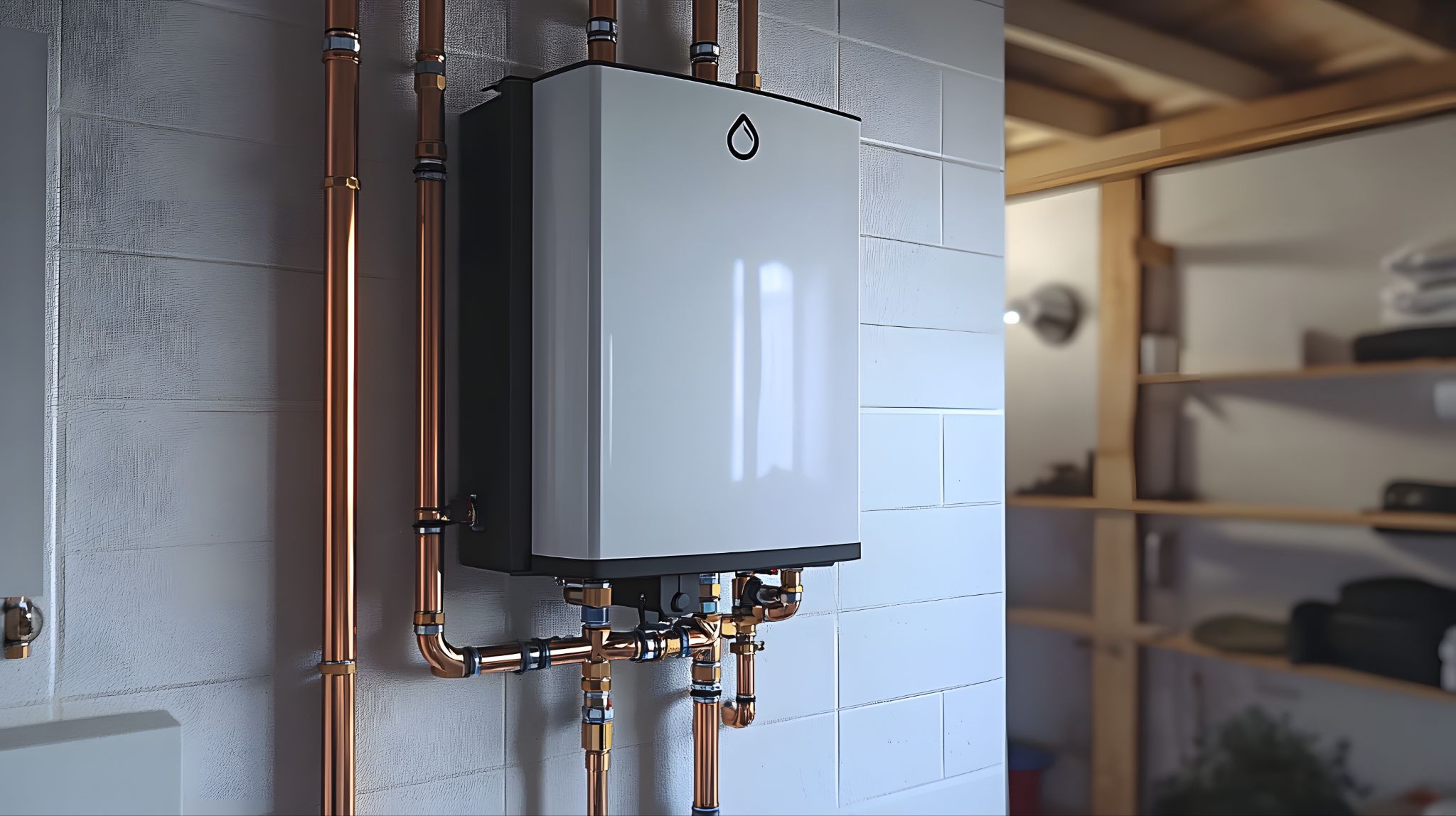
A tankless water heater uses a heat exchanger to warm water as it flows through the unit. It avoids storing a large volume of hot water, but it still faces wear from heat cycles and mineral buildup. Sensors and other internal parts may also fail as the system ages.
Look for the manufacturer’s label to check the model and serial number. Then consider how consistently it heats water, whether repairs have become frequent, and whether anyone has maintained it according to the manufacturer’s instructions.
Signs your water heater may need repair
Some water heater symptoms may look serious, but they often trace back to a component a plumber can replace. The key is to separate a specific mechanical or electrical problem from deterioration that affects the entire heater.
Common issues worth investigating include:
- No hot water: A failed heating element or thermostat may prevent an electric water heater from producing hot water. Gas units may develop ignition or control problems.
- Water that never gets hot enough: A faulty control or a heating system issue may prevent the unit from reaching its normal temperature.
- A small leak near a fitting: Loose or deteriorated connections sometimes need targeted repair, although a plumber should first locate the source.
- Popping or rumbling: Mineral buildup inside the tank may cause popping or rumbling sounds as the water heats. A plumber should check the cause before recommending a repair or replacement.
- Hot water that runs out unusually fast: A failed element, sediment accumulation, or changing household demand may explain the difference.
The condition of the rest of the equipment matters. If a relatively new heater has one defective part and no signs of wider trouble, repairing it often makes sense. Ask whether the issue is likely to return.
When replacement makes better sense
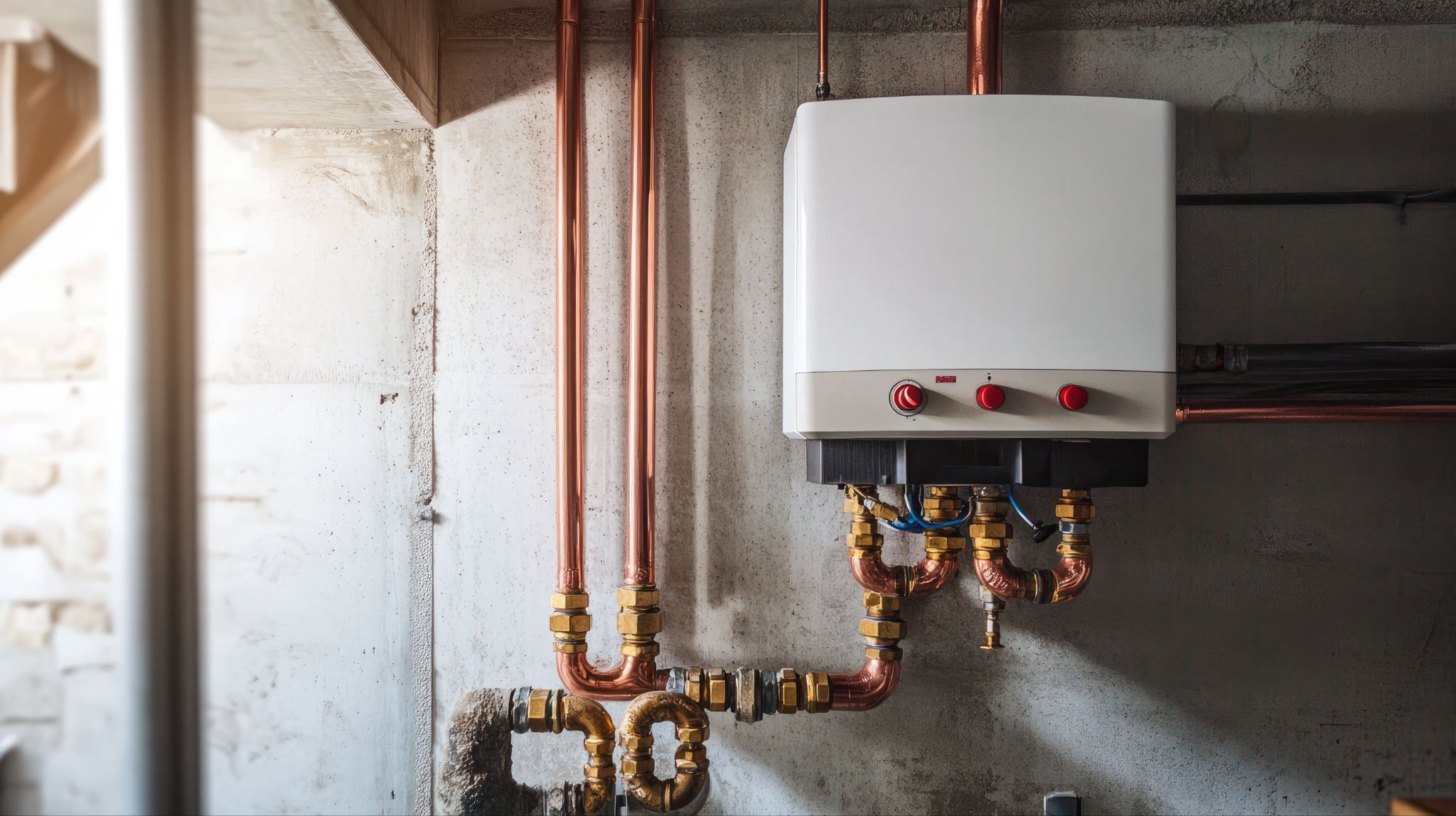
When a water heater starts having frequent problems or shows signs of serious damage, replacing it may make better financial sense than paying for another repair.
The strongest reasons to consider replacement include:
- A leaking storage tank. When corrosion creates a hole in the tank itself, replacing the heater is usually a practical solution.
- Repeated breakdowns. Several service calls in a short period may indicate broader wear rather than one isolated defect.
- An expensive failure on an aging unit. Major repairs warrant closer scrutiny when the equipment is already approaching the end of its expected lifespan.
- Visible corrosion and declining reliability. Rust around the tank or persistent leaks warrant a professional assessment.
- Insufficient hot water for the household. Even a functioning heater may no longer match the home’s current needs.
Water heater replacement also provides an opportunity to correct an undersized setup or choose equipment with different efficiency characteristics. A replacement won’t fix unrelated plumbing problems, so confirm the cause first.
What does repair versus replacement actually cost?
The first number most homeowners want is the price. A repair involving a small electrical component carries a different cost from a major gas-control or heat-exchanger failure. Replacement prices also change with the equipment and work the home requires.
When comparing estimates, ask the plumber to separate the main costs:
- Repair scope: Which part failed, what work will fix it, and does the estimate include diagnosis?
- Replacement equipment: Which type and capacity does the quote cover, and what warranty comes with it?
- Installation work: Does the job require changes to water lines or venting? Will the installer remove the old unit?
- Potential additional work: Do local requirements or the home’s existing utilities call for upgrades?
Consider replacement when repair costs approach half the installed price of a new system, but don’t treat that rule of thumb as a firm cutoff. A relatively young heater with warranty coverage may deserve an expensive repair. An old unit with repeat failures may not justify another repair.
Imagine two households. One owns a five-year-old storage heater with a failed thermostat and an otherwise sound tank. Repair probably deserves serious consideration. The other owns a 14-year-old heater that has leaked at multiple connections and now needs a costly repair. That household has stronger reasons to compare replacement estimates.
Look at ongoing costs, too. An older, inefficient unit might use more energy, but the savings from a replacement depend on how your family uses hot water and your utility’s rates.
A quote that includes only the new appliance leaves important questions unanswered. Ask whether the price covers disposal of the old heater and any work needed to meet current installation requirements. If a plumber recommends an upgrade, ask why your existing setup won’t support the new equipment. You should also consider long-term water heater costs when comparing options. Looking at the full cost of ownership helps you understand which option makes the most financial sense for your home.
Repairing or replacing a tankless system
Tankless systems need a slightly different evaluation because their components and failure patterns differ from those of storage tanks. A heater that displays an error code or shuts down during a shower hasn’t necessarily reached the end of its life.
Mineral scale sometimes builds up inside the heat exchanger, restricting performance. Flow sensors may malfunction, while gas models may develop ignition faults. These symptoms call for a diagnosis rather than an immediate decision to replace.
Tankless water heater repair often makes sense when a plumber identifies a serviceable part and the remaining equipment is in good condition. Routine descaling may restore performance if scale caused the problem, although severe deposits or damage may require additional work. Fixture cartridges may also cause temperature changes.
Replacement becomes a stronger option when an older unit suffers a costly heat exchanger failure or needs repeated major repairs. Check the warranty: Parts coverage may exclude labor.
Tankless water heaters have limits on how much hot water they supply at once. If several showers or faucets run at the same time, an undersized unit may struggle to keep up. Colder incoming water can make the problem worse; replacing parts won’t fix a heater that’s too small for the household.
What goes into installing a replacement?
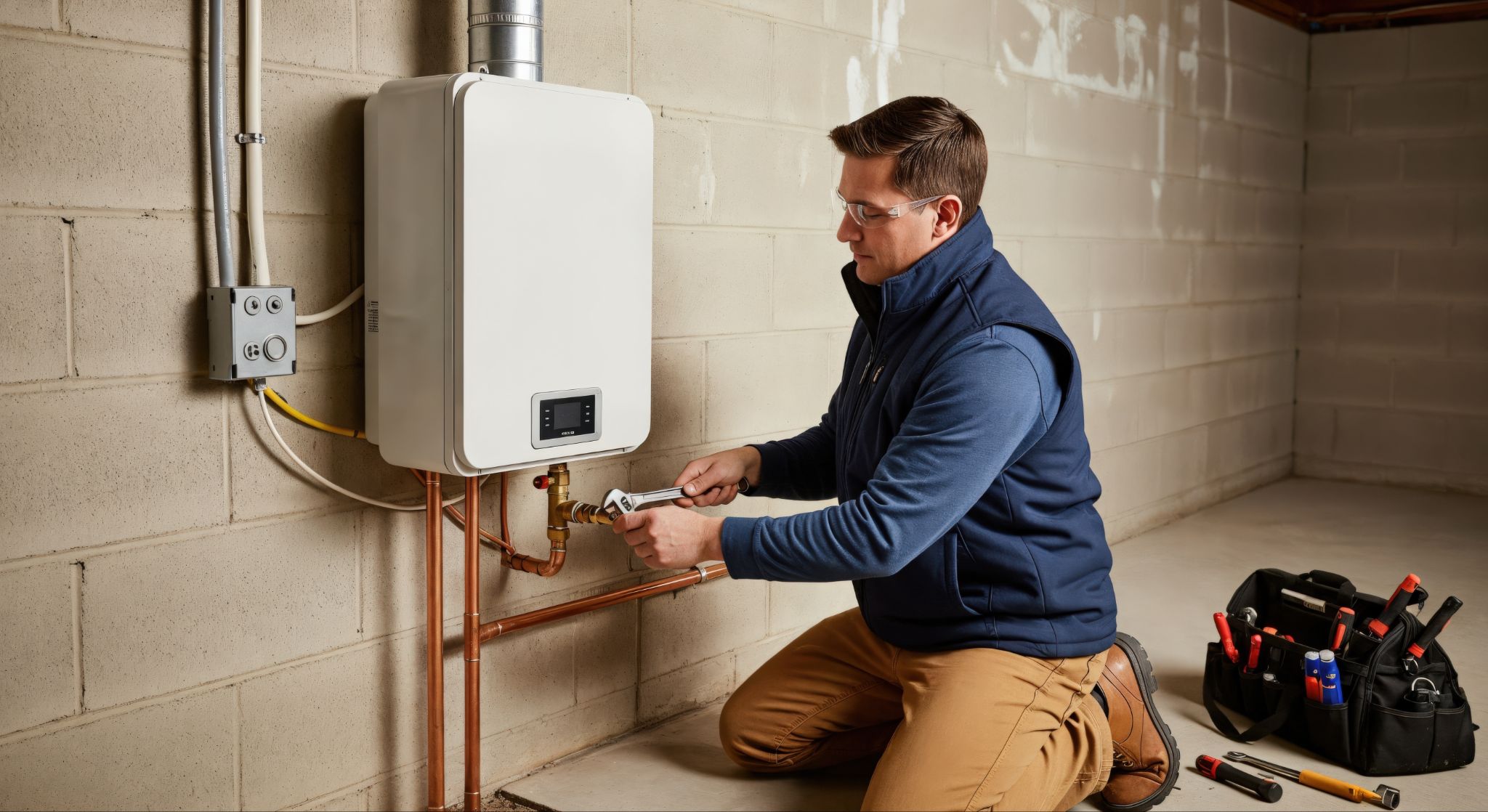
The installation process depends on your home’s current plumbing and the type of water heater you choose. Some replacements require additional work to accommodate the new equipment.
A straightforward storage-tank replacement may use much of the home’s current plumbing arrangement. Even then, a plumber needs to check the connections and confirm that the new equipment meets current installation requirements.
Converting from a conventional tank to a tankless system adds another layer of planning. Tankless water heater installation may require changes to the gas supply and exhaust venting. An electric model may place substantial demands on the home’s electrical service.
The size of the new water heater should match the amount of hot water your household uses. Traditional models store a fixed amount of hot water, while tankless systems heat water on demand. If you’re considering switching to tankless, make sure the system will provide enough hot water when multiple fixtures run at the same time.
How Utah’s water conditions affect your heater
Utah homeowners should consider local water quality when evaluating heater problems. Many communities receive relatively hard water, though hardness varies by source and location. Minerals such as calcium and magnesium leave deposits as water heats.
Inside a storage tank, sediment may collect near the bottom and contribute to rumbling or poorer heating performance. In a tankless unit, mineral scale may form inside narrow heat-exchanger passages. These deposits sometimes restrict flow or trigger performance problems.
Ask about your water supply’s hardness rather than assuming every Utah home has the same conditions. A plumber may recommend maintenance based on your unit’s instructions and your water quality. Timely tankless water heater repair also matters when scale triggers repeated shutdowns. A water softener may help some homes.
The EPA’s home maintenance guidance encourages homeowners to check for leaks and address them before they damage surrounding materials. Check around your heater for corrosion or moisture. Follow the manufacturer’s instructions for flushing or descaling, and have a qualified professional handle any work involving gas or internal electrical components.
Cold incoming water matters, too. During winter, a tankless unit must deliver a greater temperature rise to reach the same outlet setting. That may reduce the amount of hot water it delivers at once. An installer should account for local conditions when selecting replacement equipment.
How to decide without guessing
Once a plumber identifies the problem, compare the choices using the same set of questions.
Ask yourself:
- What failed? A replaceable control and a corroded storage tank lead to very different decisions.
- What condition is the heater in overall? Note its age and whether other parts show serious wear.
- How much does each option cost? Compare the complete repair estimate with the full replacement quote, including any required upgrades.
- Has this happened before? One breakdown carries different implications from a year of recurring problems.
- What will my warranty pay for? Review parts coverage and potential labor charges.
- Does the heater meet our needs? Consider whether the household now uses hot water differently than when someone installed the unit.
If you lean toward replacement, compare an appropriate tankless water heater or storage model instead of assuming tankless provides the best value. A tankless heater may suit households that want a compact unit and long showers, but it typically costs more upfront. Efficient heat pump storage models also deserve consideration where the home’s space and electrical setup support them.
Ask your plumber to explain how each option addresses the diagnosed problem.
Common mistakes to avoid
Homeowners sometimes spend money unnecessarily by skipping a basic step in the decision-making process. Watch for these mistakes:
- Replacing a unit before someone identifies the actual cause of the failure.
- Assuming a ten-year-old heater needs replacement solely because of its age.
- Approving repeated repairs without considering the heater’s overall condition.
- Comparing online equipment prices with professional quotes that include installation work.
- Buying a larger heater without checking the household’s actual hot water demand.
- Ignoring maintenance history or warranty terms when calculating costs.
Frequently asked questions
Is it cheaper to repair or replace a water heater?
Usually, a small repair costs less upfront. Compare the actual repair estimate with the full replacement price, then consider the heater’s age and whether another failure seems likely.
Is a 10-year-old water heater worth repairing?
Possibly. A sound tank with a minor component failure may warrant repair. If the unit shows signs of corrosion or keeps breaking down, compare replacement prices before investing further.
What is the most expensive part of a water heater to repair?
A heat exchanger represents a potentially costly repair in some tankless models. For a conventional storage heater, a leaking steel tank usually calls for replacement rather than a component repair.
How do I know when my water heater is beyond repair?
A leak through the storage tank itself strongly favors replacement. Severe corrosion and repeated major failures also deserve a close look. Have a plumber confirm where the problem starts.
How much does tankless water heater repair cost?
The cost depends on the failure, parts availability, labor, and warranty terms. Request a diagnosis and itemized estimate rather than relying on a broad national price range.
Should I switch from a traditional heater to tankless?
Consider your hot water habits and budget. Tankless equipment may suit your household, but first compare the total installation costs and the expected flow rate during simultaneous use.
How long does tankless water heater installation take?
A straightforward replacement may take less time than a conversion. Gas line changes or new venting may extend the work. Ask your plumber for a timeline after reviewing the home; tankless water heater installation varies with the work.
Does Utah’s hard water shorten water heater life?
Mineral buildup may reduce performance and contribute to service problems. Your water source and maintenance habits matter, so use local hardness information and the manufacturer’s service recommendations.
Should I replace my water heater before it fails?
If your water heater keeps breaking down or shows signs of corrosion, replacing it before it fails may save you from losing hot water unexpectedly. However, if it still works well and hasn’t needed frequent repairs, there’s no reason to replace it solely because of its age.
Make the right water heater decision with Salisbury Plumbing
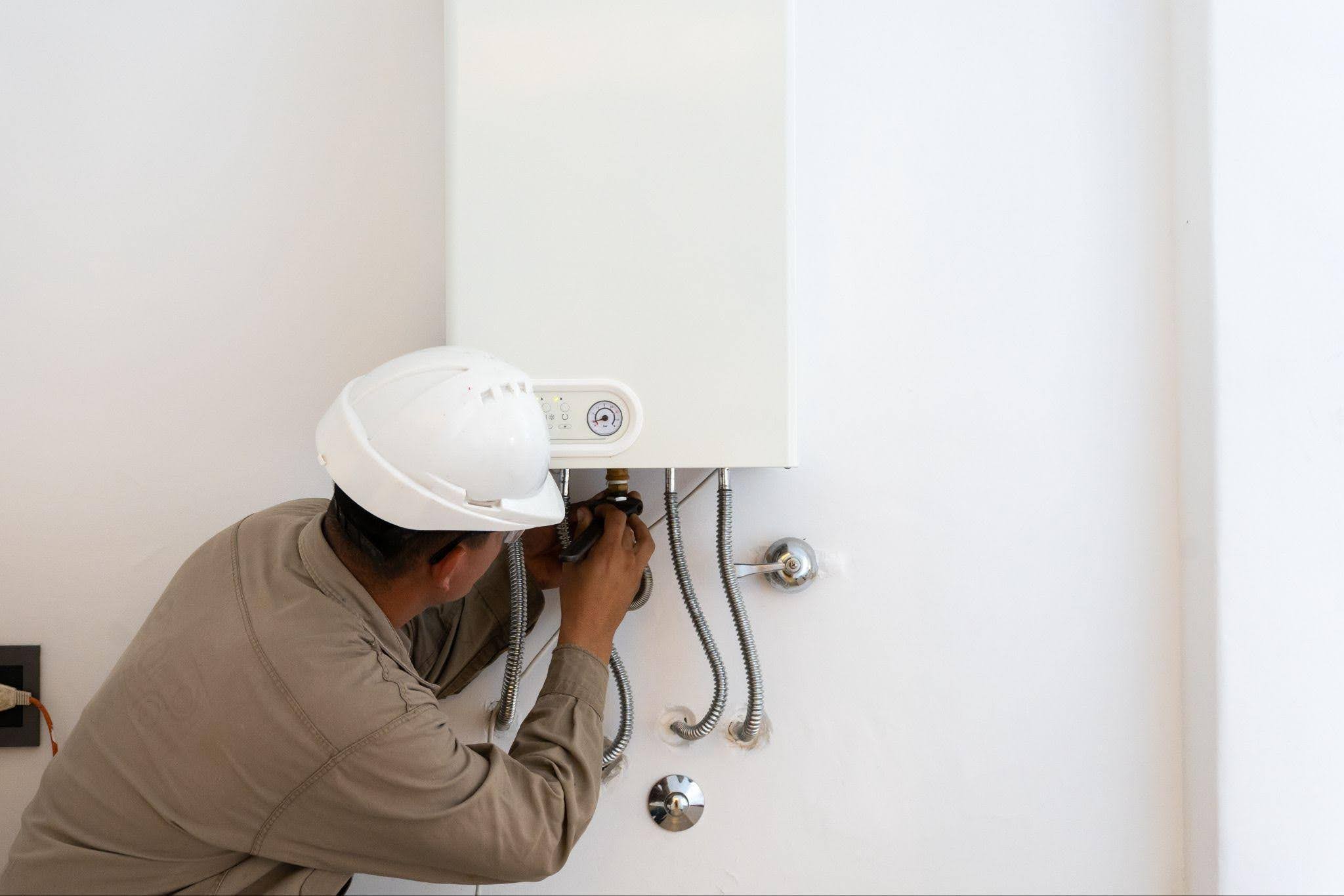
Before deciding whether to repair or replace your water heater, have a plumber inspect the unit and explain what’s wrong. From there, you can compare the repair cost with the price of a new system. If your unit keeps losing hot water or you notice leaks around it, contact Salisbury Plumbing to discuss an inspection. We’ll review what’s happening, explain the available options, and help you decide whether repair or replacement makes sense for your Utah home.