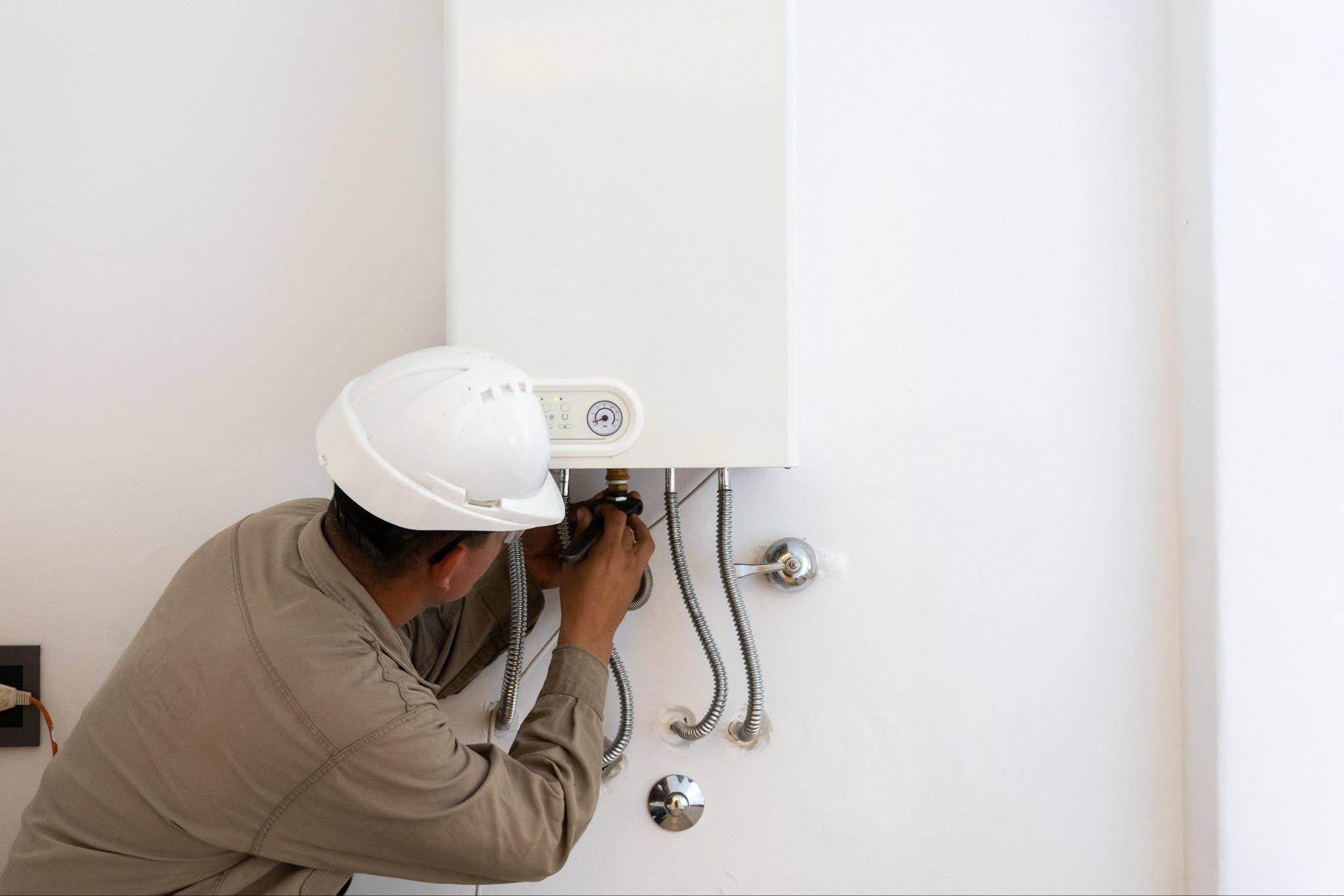
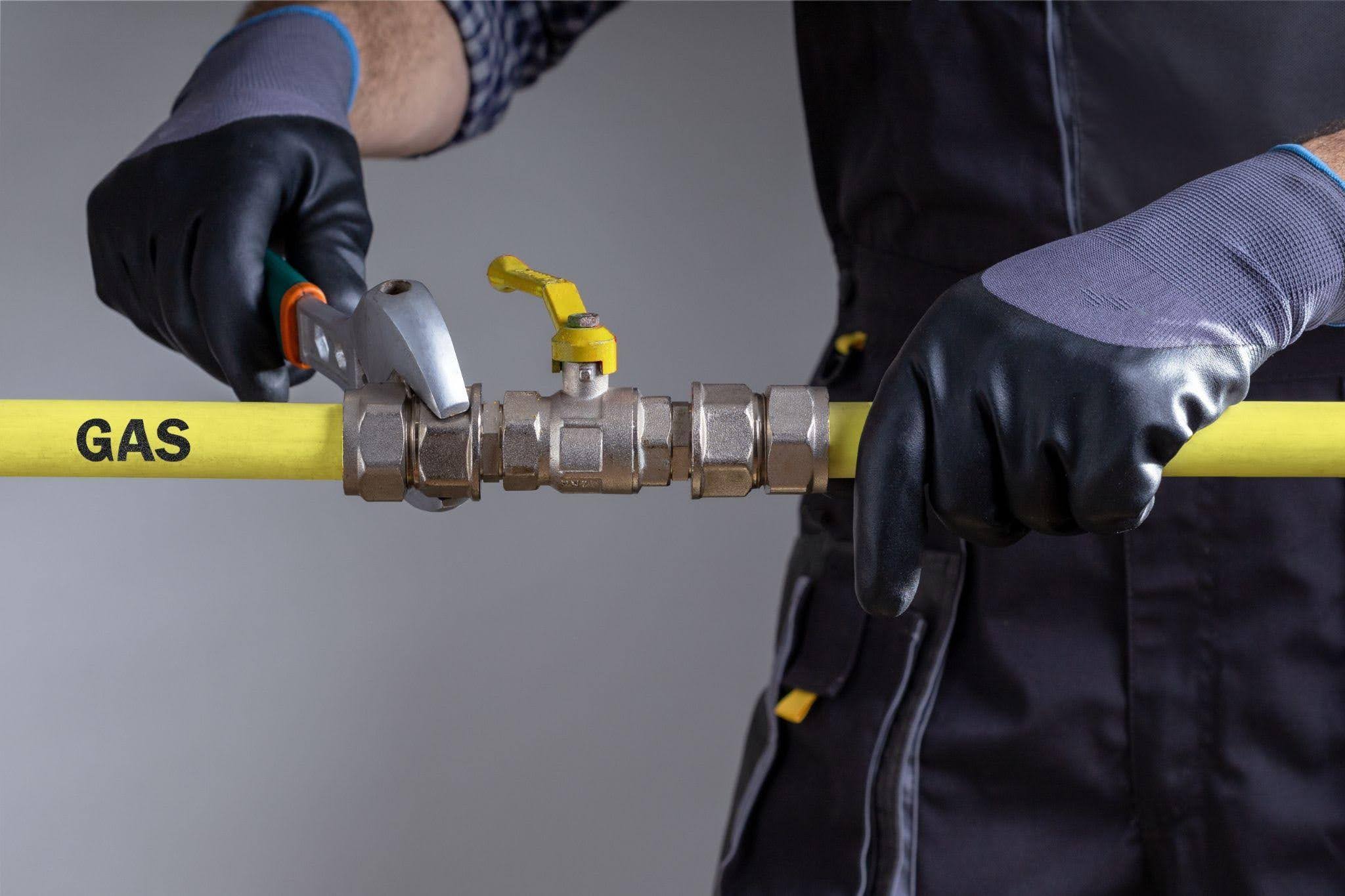
A professional should handle gas line installation because the work involves proper sizing, approved materials, secure connections, shutoff access, code requirements, and pressure testing. A gas line plumber checks the appliance, plans a safe route, and confirms the line is ready before use.
Why gas line installation needs professional work
Gas line installation may look simple, but the work behind it is specific. The line must supply the correct appliance, maintain pressure, meet local requirements, and include safe shutoff access. If you’re adding a stove, dryer, fireplace, water heater, outdoor grill, fire pit, or generator, a professional needs to check and install the line correctly before you use it.
Why professional gas line work is important
Gas lines carry fuel to appliances that need a steady, properly controlled supply. A professional checks the appliance, existing gas system, pipe route, shutoff location, and materials before anyone uses the line.
Gas line installation also needs to be tested under pressure. A gas line plumber has the tools and training to install the line, test the system, and explain the next step.
What a professional checks before installing a gas line
Before running a new line, a professional needs to understand the full setup. That usually includes a few important checks:
- The appliance: A professional needs to review the appliance. A gas range, dryer, tankless water heater, fireplace, outdoor grill, or generator may require different fuels.
- The existing gas system: A professional needs to check the existing gas system. If the current line is too small, damaged, corroded, or poorly routed, gas line replacement may be the better next step.
- The pipe route: The pipe route has to make sense. A line may need to run through a wall, crawl space, basement, utility room, attic, exterior wall, or underground area.
- The shutoff valve: A professional needs to install it where people can reach it. That matters during service, replacement, or emergency shutoff.
- The materials, fittings, and connection points: The materials, fittings, and connection points need to fit the job. A gas line plumber also tests the line before anyone uses it.
8 reasons to leave gas line work to the professionals
1. The line has to be sized correctly
A gas line must deliver enough fuel for the appliance. If it’s undersized, the appliance may run poorly, shut down, or fail to work as intended.
2. Every connection has to hold under pressure
Gas lines include joints, fittings, valves, and appliance connections. A gas line plumber connects and tests the line before the appliance is used.
3. Materials have to be approved for gas
Gas piping is different from water piping. The pipe, connector, valve, fitting, and sealant must match the fuel type, appliance, and location.
4. The work may need permits or inspection
Gas line work often has local code requirements. Permits, inspection, approved materials, pressure testing, and shutoff placement may all be part of the process.
5. Older lines may need closer inspection
A new appliance may expose an old, damaged, corroded, or undersized line. In those cases, gas line replacement may make more sense.
6. Shutoff access needs to be planned
A gas appliance needs a shutoff valve in a practical location. It should be reachable for service, replacement, or emergency shutoff.
7. Outdoor gas lines add another layer of planning
Outdoor grills, fire pits, pool heaters, and generators may need longer runs, protected piping, trenching, or weather-rated materials.
8. The appliance depends on the gas supply
If the line doesn’t deliver enough fuel, the appliance may struggle or shut down. A professional checks the line, pressure, connection, and appliance requirements.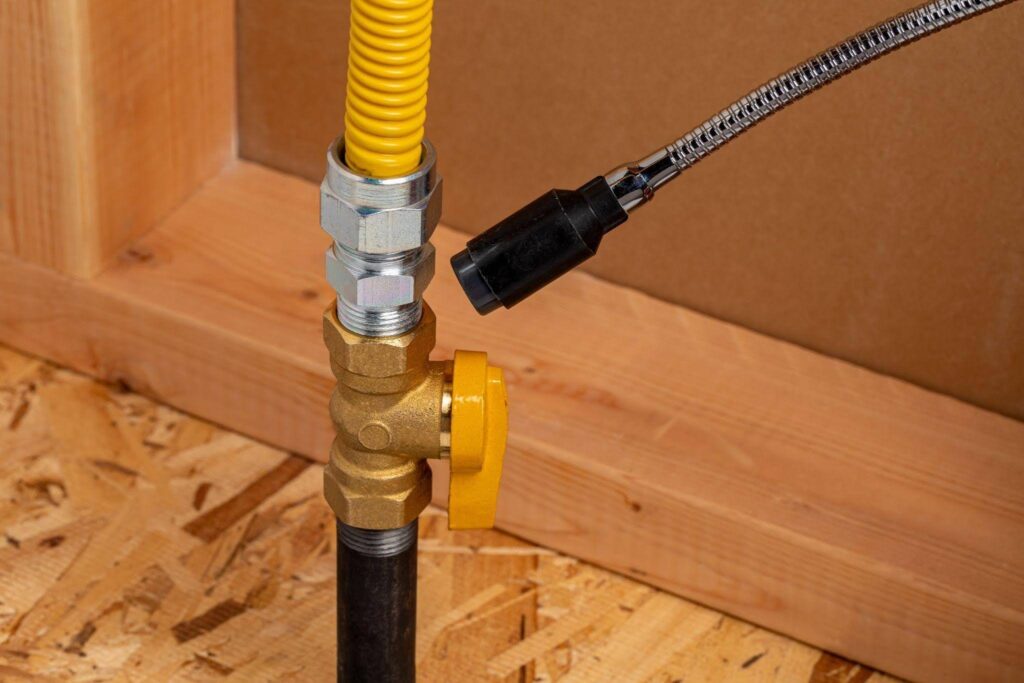
Common projects that need a gas line plumber
Many homeowners need gas work when they add or replace appliances, including:
- Gas stoves and ranges
- Gas dryers
- Water heaters
- Tankless water heaters
- Fireplaces
- Outdoor grills
- Fire pits
- Pool heaters
- Generators
Each appliance has its own gas demand and connection requirements. A gas line plumber checks the setup, explains whether a new line is needed, and ensures the appliance has the correct supply.
Benefits of hiring a professional
Professional gas line work gives you a clear process from inspection to final testing. A professional helps with:
- Proper line sizing: A professional sizes the line for the appliance.
- Safe routing: A professional routes the line to fit the home and appliance location.
- Approved materials: A professional uses pipe, fittings, valves, and connections that fit the job.
- Pressure testing: A professional tests the line before anyone uses the appliance.
- Repair or replacement guidance: A professional explains when gas line replacement makes more sense than repair or extension.
- A clear next step: You’ll know what the appliance needs and what the existing system supports.
Gas line mistakes to avoid
Gas line work leaves little room for shortcuts. Common mistakes include:
- Assuming the existing line is large enough: The current line may not support the new appliance.
- Using the wrong pipe or fitting: Materials need to match the fuel type, appliance, and location.
- Placing the shutoff valve in a hard-to-reach spot: The shutoff needs to be accessible.
- Skipping pressure testing: The line should be tested before the appliance is used.
- Connecting to an old line without checking it first: The line may be worn, damaged, corroded, or poorly placed.
- Overlooking outdoor line needs: Outdoor lines may need the right material, protection, burial depth, and route.
A professional may recommend gas line replacement as the safer and cleaner fix if the line is already worn or poorly placed.
FAQ
Can I install a gas line myself?
Gas line installation should be left to a professional because it involves sizing, approved materials, secure connections, code requirements, and pressure testing.
Who should I call to run a gas line?
Call a licensed plumber or a qualified gas line plumber. They inspect the setup, install the right materials, and test the system.
When is gas line replacement needed?
A professional may recommend gas line replacement if the existing line is old, damaged, corroded, undersized, poorly routed, or not suitable for the appliance.
Does a gas line need to be pressure tested?
Yes. A professional should test the gas line before anyone uses it to confirm that the line and fittings hold properly.
What affects the cost of gas line work?
Cost depends on the appliance, line length, access, materials, permit requirements, routing, and whether repair or replacement is needed.
Schedule gas line service with Salisbury Plumbing
Gas line work should be handled carefully from the first inspection to the final test. Salisbury Plumbing will inspect your setup, explain what your appliance needs, and recommend the right next step. Whether you need a new line, repair, or gas line replacement, we help you understand the work before the appliance is connected.
Contact Salisbury Plumbing to schedule gas line service and get clear guidance from a professional.