
Driveway and walkway snowmelt uses heat beneath the pavement to reduce snow and ice buildup. Homeowners should compare hydronic and electric options, determine how much surface area needs heating, consider a drainage plan, and confirm that the home has sufficient utility capacity. A well-planned snowmelt system should match the property and the homeowner’s expectations.
Start with the areas that give you the most trouble
Snow and ice tend to create problems in the same places every winter. A steep driveway may become difficult to use after a storm, while a shaded walkway may stay icy long after nearby pavement clears. A radiant heating system gives homeowners another way to address those problem areas, but the right setup depends on the property and how the system will be used.
Before installation, look at how much pavement actually needs heat and where the meltwater will go. Think about operating costs as well. The best design starts with the property itself and matches the system to the conditions it will face.
How does driveway and walkway snowmelt work?
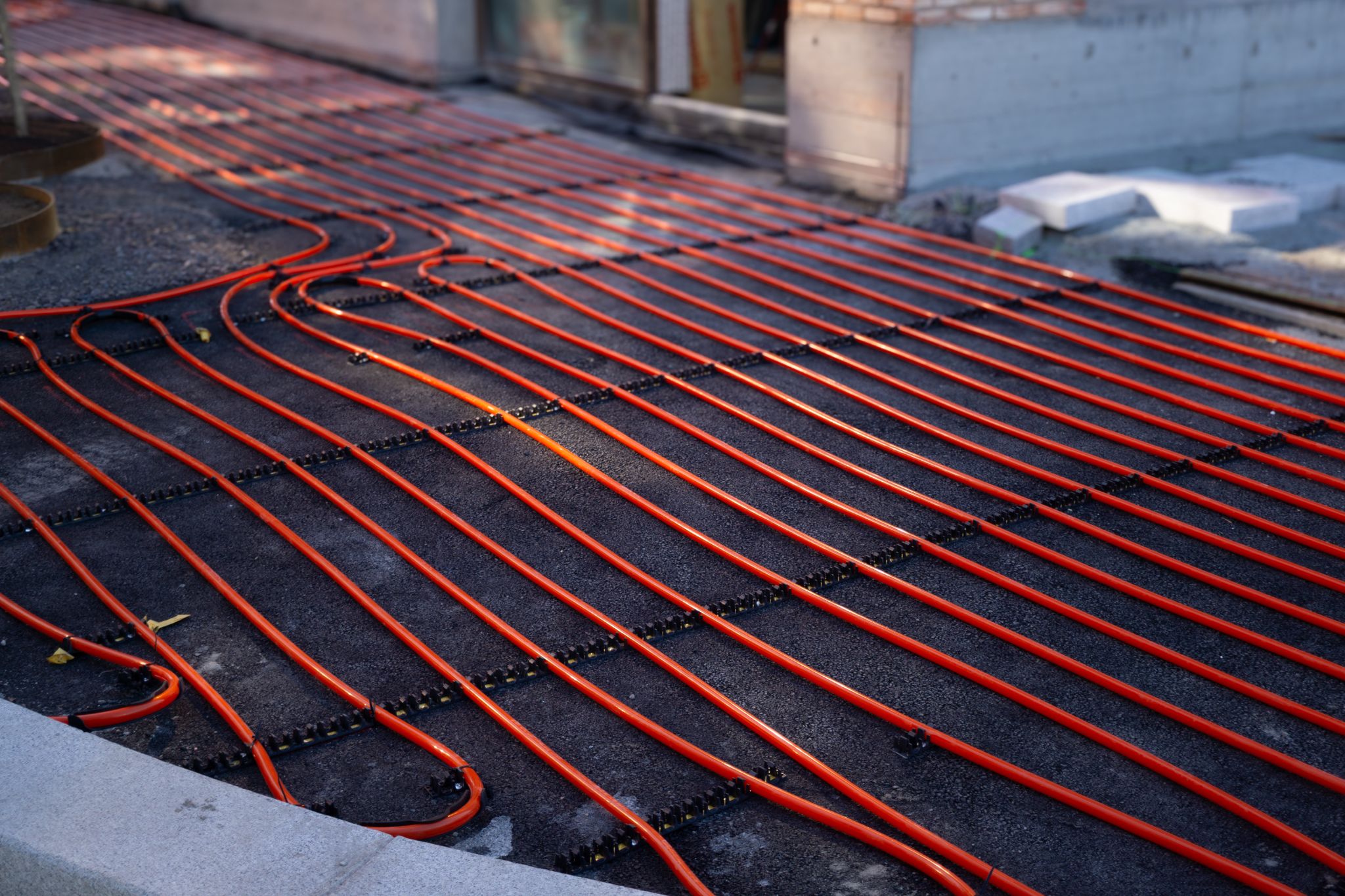
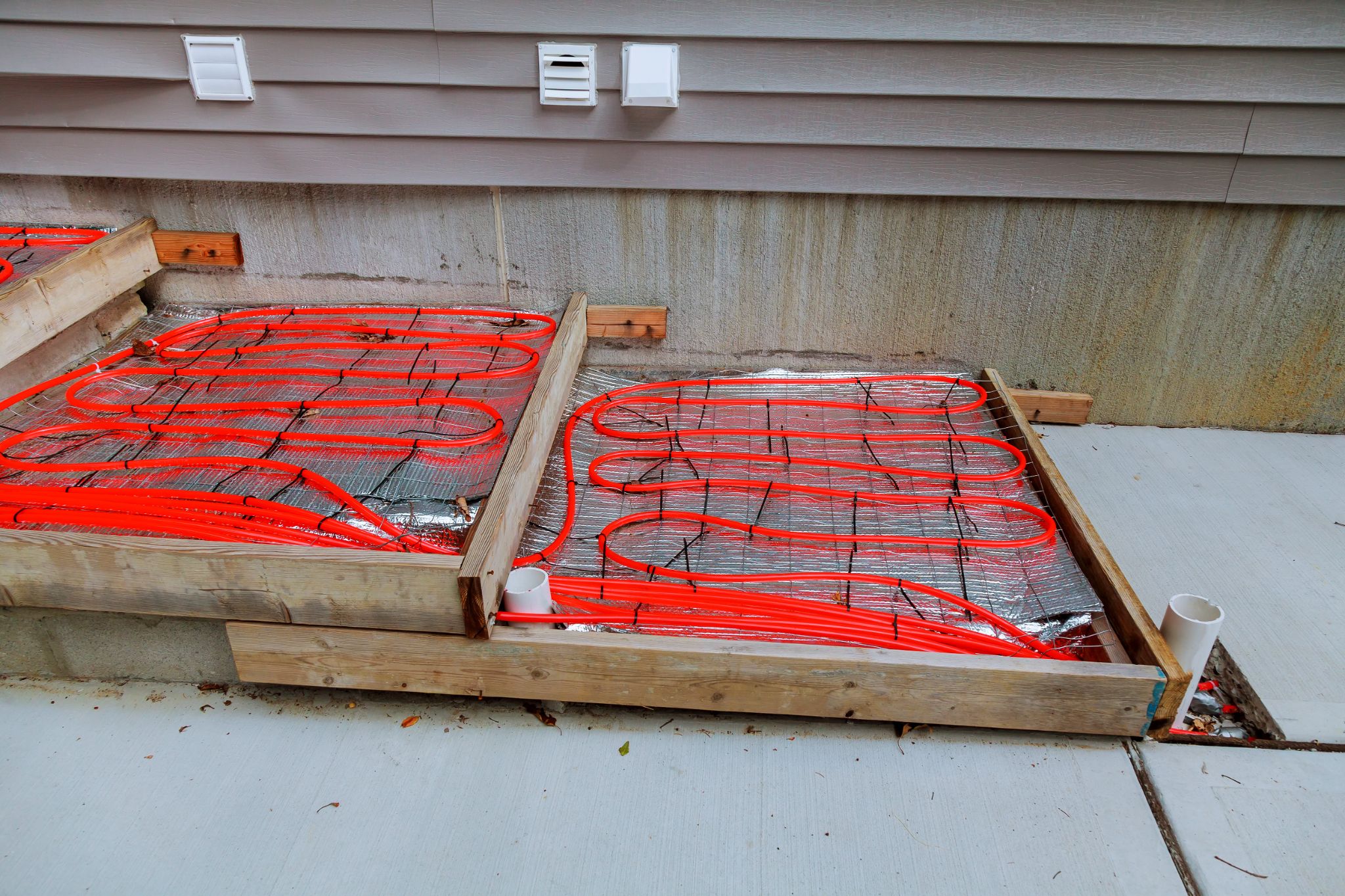
A snowmelt system places heat beneath an outdoor surface. Electric systems use heating cable or mats, while hydronic systems circulate heated fluid through tubing. Heat rises through the pavement and helps melt falling snow or existing accumulations.
Controls also matter. Some systems use temperature and moisture sensors to start heating when winter conditions arrive. Uponor’s snow-and-ice-melting design guidance explains automatic controls and other hydronic design considerations.
Is snowmelt right for your property?
Not every property needs heated pavement. Snowmelt often makes the most sense when one area causes repeated winter problems.
Homeowners may want to look more closely at the option when they have:
- A steep driveway that regularly develops ice
- A north-facing or shaded surface that holds snow
- Steps or walkways that require frequent clearing
- A driveway replacement already planned
- One problem section that needs repeated attention
A short driveway with good sun exposure may present a different situation. Before investing in a heated driveway, watch where ice forms and where runoff collects. That helps identify where heat would provide the most practical benefit.
Utah properties also vary widely from one neighborhood to another. Elevation changes winter conditions, while shade may keep one driveway colder than another nearby. A contractor should visit the actual site rather than assuming every property in the same city needs the same design.
Hydronic vs. electric snowmelt
The two main approaches use different sources of heat.
Electric snowmelt
Electric systems place heating cable or mats beneath the pavement. Larger areas may place considerable demand on the home’s electrical service, so homeowners should confirm available capacity before choosing this option.
Hydronic snowmelt
Hydronic systems circulate a heated water-and-antifreeze mixture through tubing beneath the pavement. Depending on the design, the system may use a boiler or another heat source. Proper sizing matters because the snowmelt loop adds its own heating demand to the overall hydronic system, so the equipment must have sufficient capacity to handle that additional load.
Neither option fits every property. The choice should reflect the project size, available utilities, and the performance the homeowner expects.
Do you need to heat the entire driveway?
Homeowners don’t always need heat under every square foot of pavement. In some cases, strategic coverage makes more sense.
Possible areas include:
- Tire tracks
- The steepest part of a driveway
- A parking pad
- A front walkway
- Exterior steps
- A shaded section that repeatedly freezes
Heating less pavement may reduce the overall system load while focusing the project on the areas that create the most trouble.
Partial coverage still requires careful planning. Water from a heated section may run onto colder pavement and refreeze, so consider where it will travel.
Will your home support the system?
The equipment inside the home may determine what the project requires.
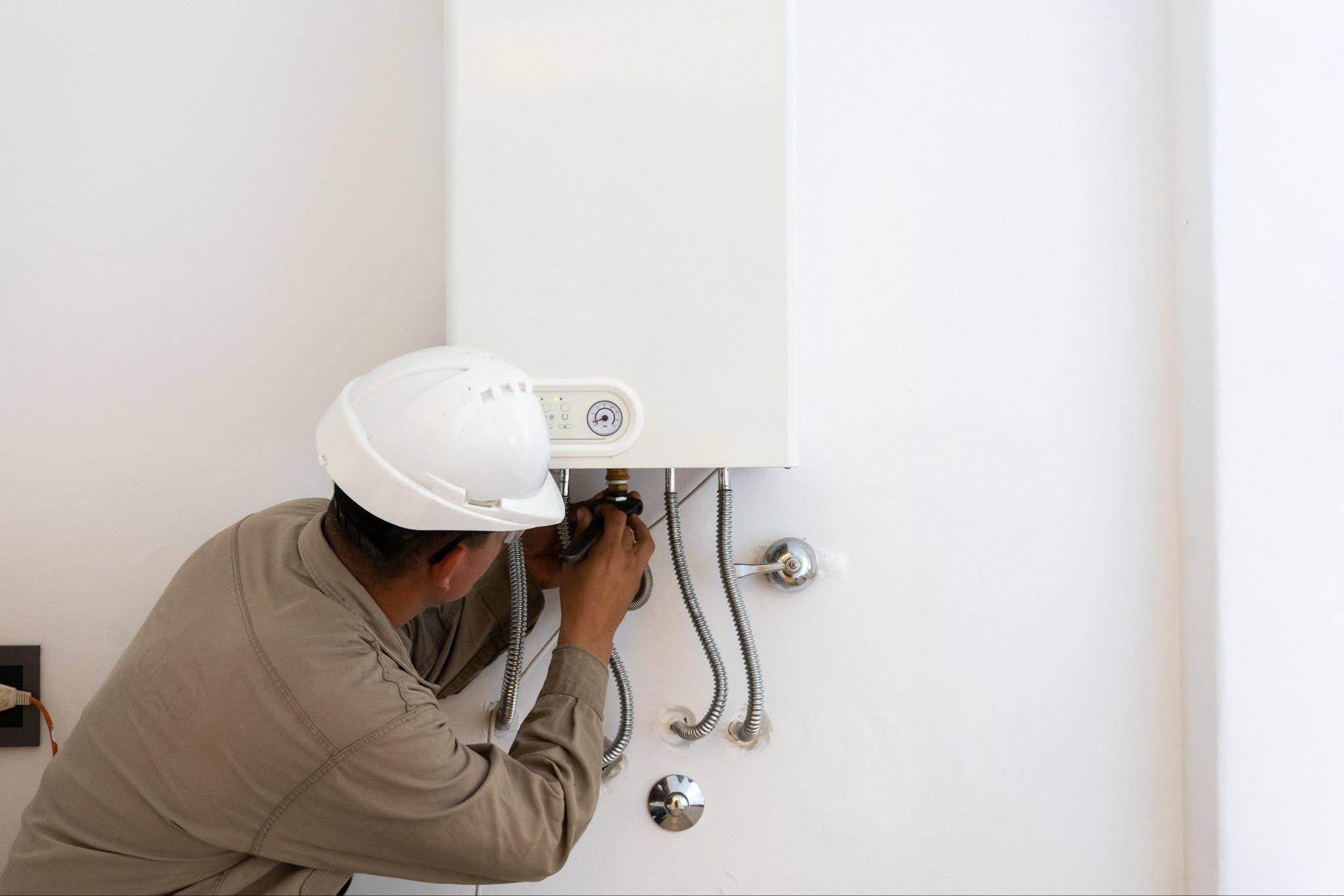
A hydronic setup requires sufficient heating capacity to meet the outdoor load. An existing boiler may already support indoor heating or domestic hot water, so the contractor should calculate the proposed load before choosing equipment. Electric systems raise a similar question because the home needs enough electrical capacity for the heated area.
Before installation starts, a contractor should review the mechanical aspects of the project and confirm that the existing equipment has sufficient capacity to meet the increased heating demand. That early review helps identify potential upgrades before they affect the rest of the project.

Where does the melted snow go?
Melting the snow only solves part of the problem. The resulting water still needs somewhere to go.
Walk the property and look at:
- The direction the driveway slopes
- Low spots where water collects
- Existing drains
- The transition to the street or sidewalk
- Unheated pavement below the heated area
If runoff reaches a colder section while temperatures remain below freezing, it may form ice there. A steep driveway deserves extra attention because water tends to flow toward the bottom.
Good planning follows the water to its destination instead of stopping at the heated surface.
How quickly should snowmelt work?
Homeowners often picture bare pavement throughout every storm, but actual performance depends on the conditions and the design.
A cold slab needs time to warm. Heavy snowfall may also add snow faster than the surface melts it for a period. Wind and outdoor temperature also affect the heating load.
Controls influence response time. A system that starts as a storm begins has less accumulation to overcome than one that starts later. Some hydronic designs maintain an idle slab temperature to shorten warm-up time.
Before installation, decide whether you want to reduce accumulation or keep pavement largely clear throughout a storm.
What does installation involve?
Installation works best when the heating plan and pavement plan come together early.
If you already plan to replace a driveway or walkway, discuss snowmelt before the new surface goes down. Retrofit projects require a closer look at the existing pavement and installation method.
Crews need to coordinate the tubing or cable layout with the finished surface. The installer should also test the system before the pavement limits access.
Keep a record of the buried layout so future contractors know where the heating components sit before they cut or drill.
What affects snowmelt operating costs?
No single operating-cost estimate fits every property. A heated driveway in a mountainous setting may experience a different workload than a short driveway at a lower elevation.
Several factors influence energy use:
- Heated square footage
- System output
- Local energy prices
- Storm frequency and intensity
- Runtime
- Control settings
- Whether the system maintains an idle temperature
Ask for an estimate based on the proposed design rather than a generic cost per square foot. The contractor should explain how system size and operating strategy may affect winter utility bills.
Problems homeowners may not expect
A good design should account for more than whether the pavement gets warm. Several less-obvious issues deserve attention.
Runoff refreezes outside the heated area
The equipment may melt snow as expected, while water elsewhere creates ice. Drainage planning helps reduce that risk.
Sensors don’t reflect actual surface conditions
A sensor in a sheltered location may experience different conditions from the driveway. Placement affects how the controls respond.
One section melts differently from another
Uneven performance may indicate a control issue or a circulation problem. If one section starts melting more slowly than the rest, snowmelt maintenance may help identify the cause before the issue spreads.
The existing utilities fall short
Finding an inadequate boiler or electrical capacity late may expand the project.
Future pavement work damages buried components
Tubing and cable stay out of sight. Accurate layout records help future contractors avoid them.
Heavy storms temporarily outpace the system
A functioning setup may still allow temporary accumulation during difficult conditions. Homeowners should understand the design target before the first storm arrives.
What maintenance does snowmelt need?
Electric and hydronic systems require different maintenance.
With hydronic systems, a technician may check system pressure and circulation equipment. The technician may also evaluate the glycol mixture and heat source. A radiant heating system relies on those mechanical components to move heat where the design requires it.
Electric systems avoid fluid maintenance, but controls and sensors still deserve attention.
Watch the pavement during winter. If one section stops melting as it did before, inspect the system. Keep service records and the original layout so future technicians have useful troubleshooting information.
Questions to ask before installation
A contractor should explain the design in terms that make sense for your property. Before approving the project, ask the following questions:
- How did you determine the heating load?
- Do I need to heat this entire area?
- Where will the meltwater go?
- Does my existing equipment have enough capacity?
- How quickly should the system respond?
- What should I expect during heavier snowfall?
- How will the controls know when to start?
- What maintenance will I need?
- How will you test the system before covering it?
- What happens if a buried component needs repair?
- Will I receive a record of the tubing or cable layout?
These questions also help you compare proposals, as a lower price may indicate a different scope rather than an equivalent design.
FAQ
Does snowmelt run all winter?
Not necessarily. Automatic controls may use outdoor conditions and moisture sensing to determine when the system should operate.
Is hydronic or electric snowmelt better?
Neither option fits every project. The size of the area and available utilities matter. Homeowners should also weigh maintenance and operating expectations.
Can you add snowmelt to an existing driveway?
Some retrofit methods exist, but the surface and system types affect the options available. Planned pavement replacement often gives installers more flexibility.
Do I need to heat my whole driveway?
No. Some properties benefit from heating only the tire tracks or another problem section. The design still needs to account for runoff where heated and unheated areas meet.
How quickly does a heated driveway melt snow?
Pavement temperature and snowfall intensity affect response time. A system that starts early usually has less accumulated snow to overcome.
What happens if hydronic tubing leaks?
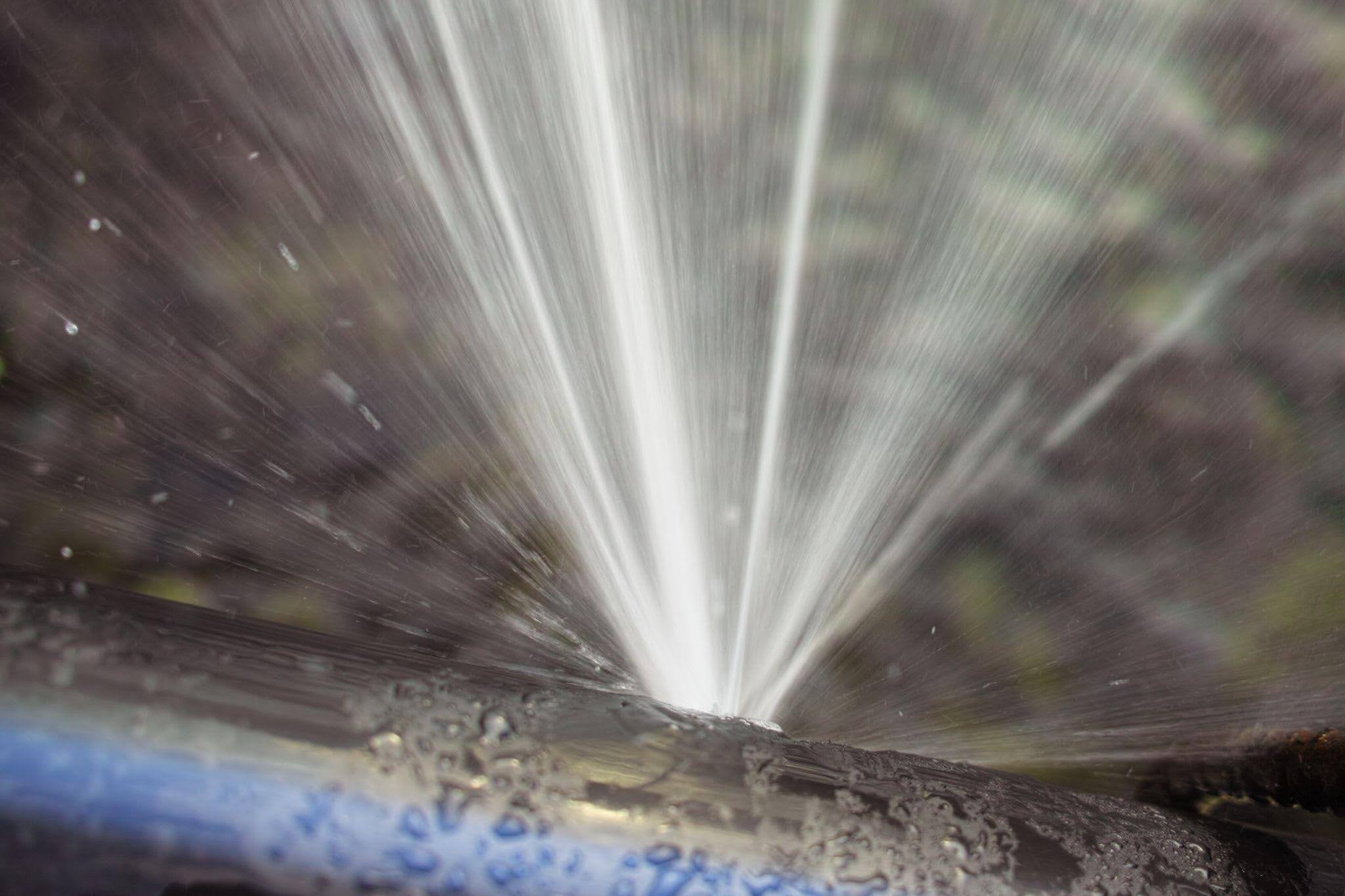
A technician first needs to identify the affected area and locate the leak. A repair beneath finished pavement may require access through the surface, which makes accurate layout records valuable.
How long does a snowmelt system last?
Service life varies by component and installation quality. Regular maintenance helps technicians catch performance changes before they turn into larger problems.
Plan snowmelt around the property with Salisbury Plumbing
A good project starts with the places that create problems every winter. Look at where snow lingers and where meltwater travels. Then review available utility capacity and decide what level of performance you expect.
If you’re considering a radiant heating system for a driveway or walkway, contact Salisbury Plumbing to discuss the property and the mechanical requirements behind the project. We’ll help you understand what the setup requires before you move forward.